Teacup Havapoo lifespan, health risks, and care needs explained in simple terms. Learn what affects their longevity, common health issues, and how to help your tiny companion live a healthier, longer life.
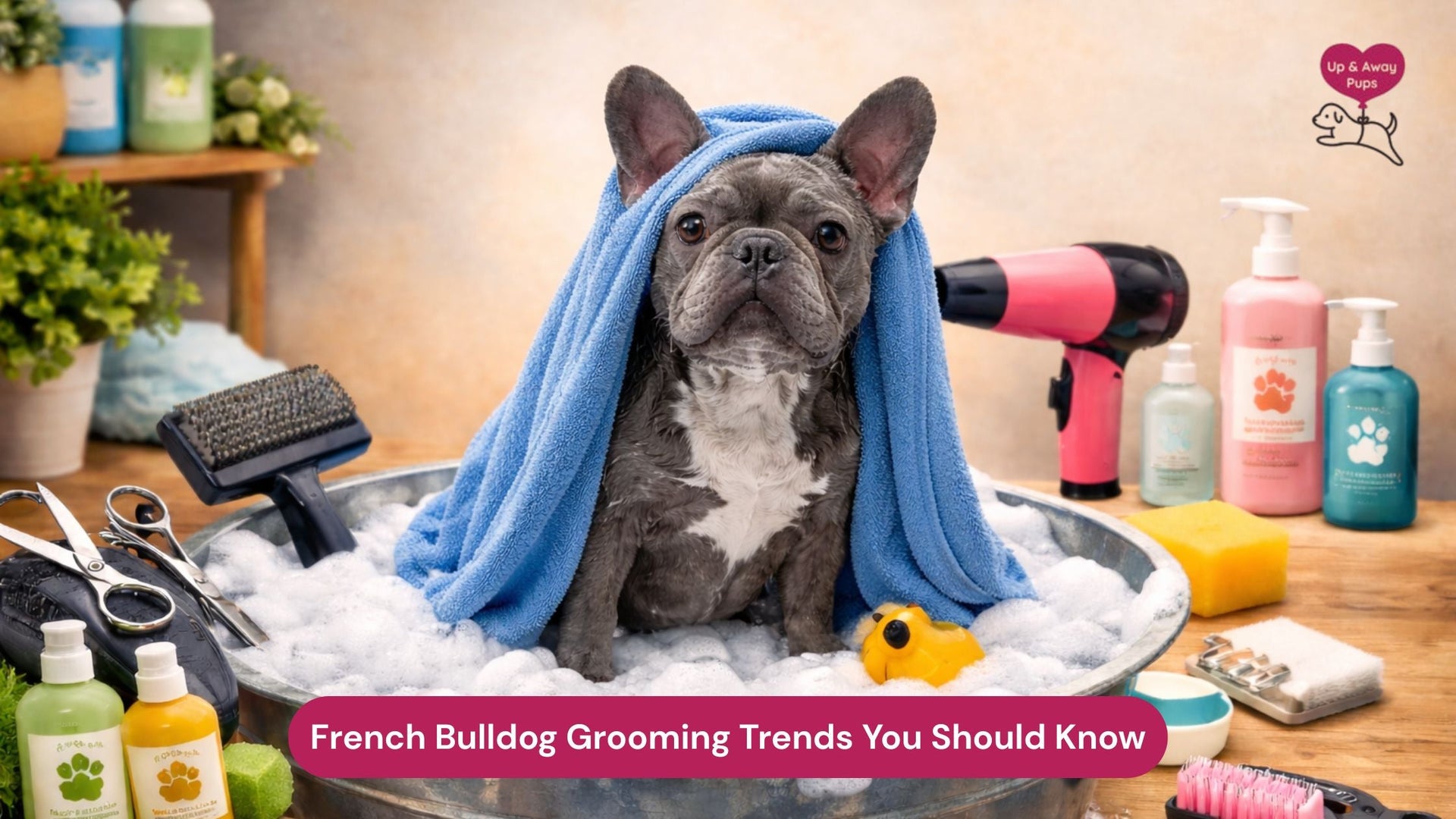
French Bulldog grooming is evolving with trends focused on skin care, simplicity, and comfort. This guide covers essential grooming basics, modern practices, and personalized routines to keep your dog healthy, stylish, and happy.
Puppies sleep a lot, but how much is normal? This guide explains puppy sleep needs by age, key warning signs to watch, and simple ways to support healthy sleep. From understanding daily rest cycles to spotting unusual behavior, you’ll learn how to keep your puppy happy, balanced, and thriving.

A puppy refusing food can be stressful, especially for new pet owners. While appetite changes are often linked to routine shifts, teething, or overfeeding treats, they can sometimes signal underlying health concerns. Understanding the causes helps you respond calmly and ensure your puppy stays happy, nourished, and on track.

Mini Bernedoodles are known for their loving nature and strong companionship. While several factors influence their lifespan, proper nutrition, regular exercise, and consistent veterinary care play a key role. Discover how to support your dog’s long-term health and well-being.
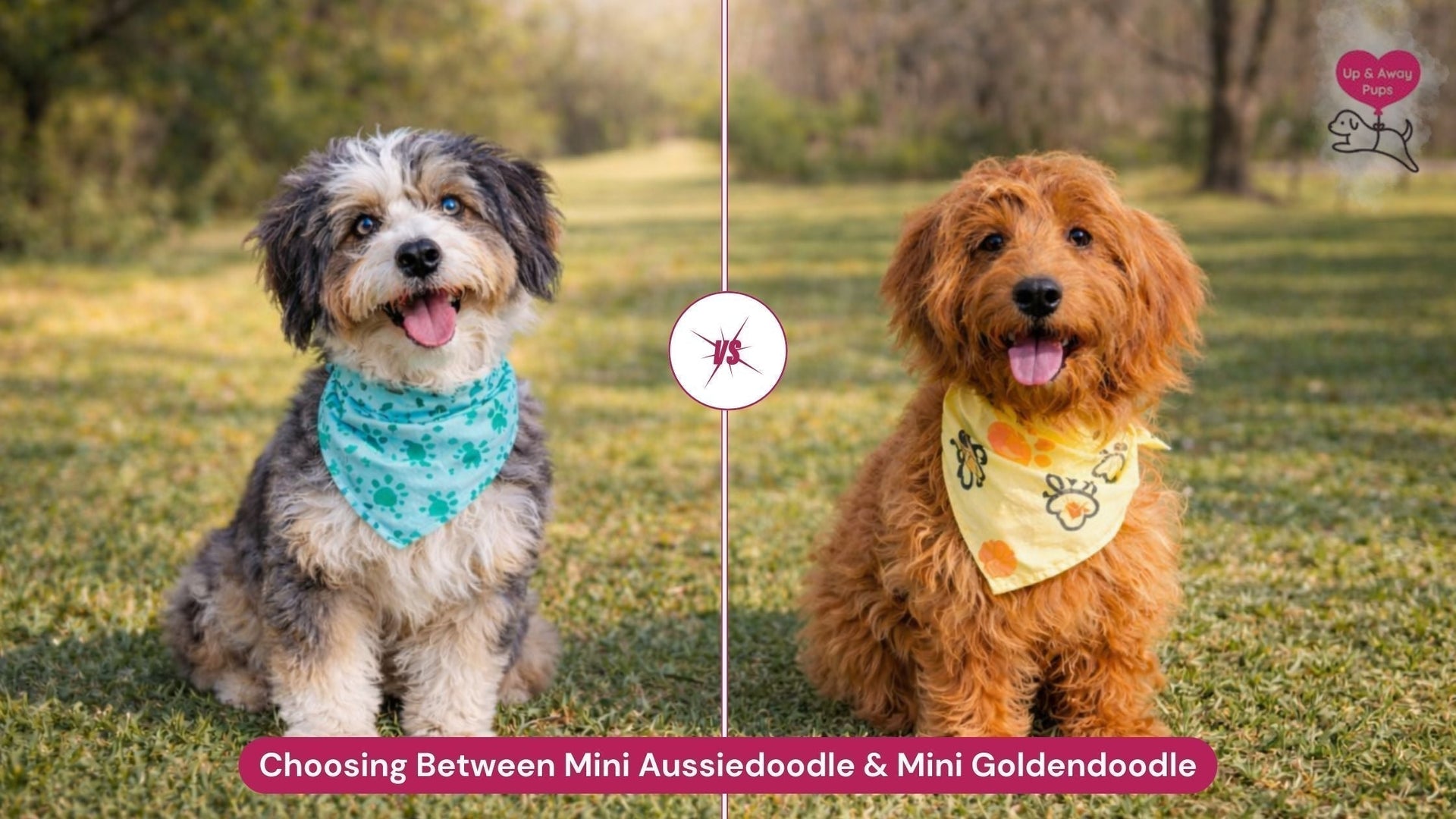
Trying to decide between a Mini Aussiedoodle and a Goldendoodle? This complete guide breaks down their differences in personality, care needs, size, and trainability. Discover which lovable doodle best fits your lifestyle and family.
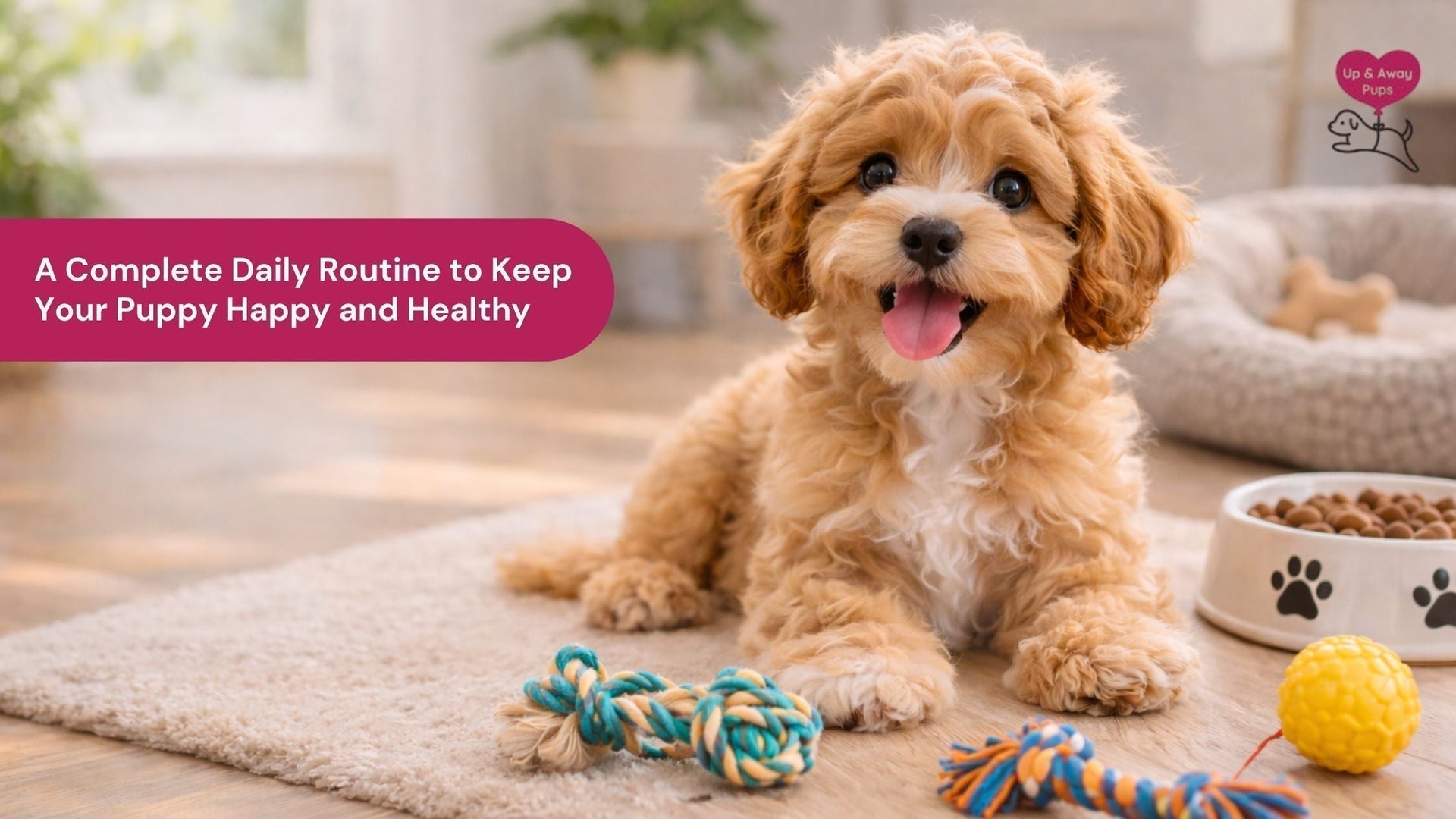
Create a structured daily routine for your puppy to build good habits, reduce stress, and support healthy growth. From morning potty breaks to bedtime, learn how consistency helps your puppy feel safe, learn faster, and develop into a well-behaved companion.
Choosing the right puppy breed is key to building a happy, lasting bond. By considering your lifestyle, space, energy level, and family dynamics, you can find a companion that fits seamlessly into your daily life and grows into a well-adjusted, loving pet.
Puppies dig and scratch beds or blankets due to instinct, comfort, and energy release. Understanding this helps you create a calm, secure space for them.
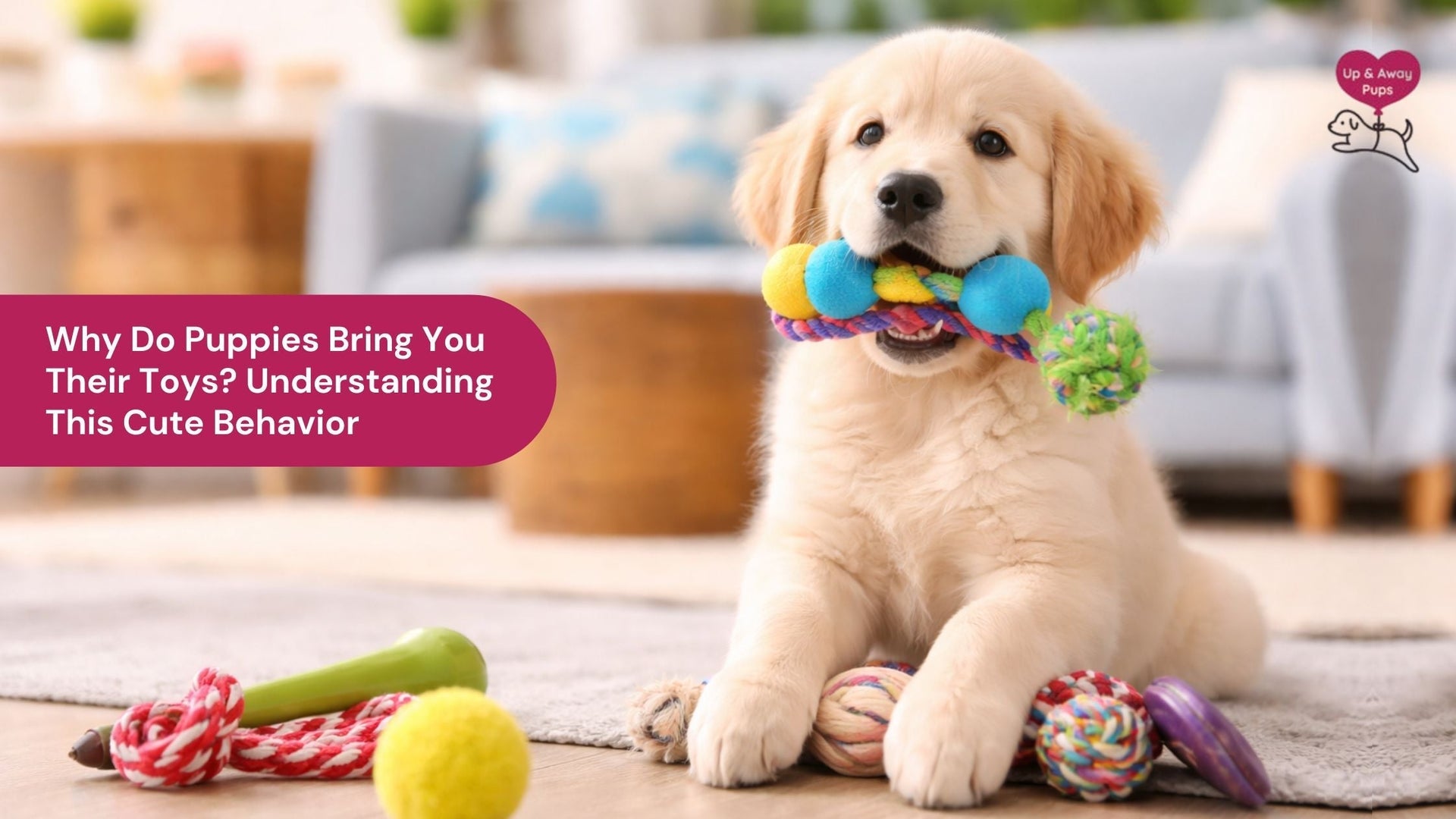
Puppies often express their feelings through small but meaningful actions, like bringing you their favorite toy. This adorable behavior isn’t random—it reflects their desire to play, show affection, and connect with you. Understanding these signals helps strengthen the bond between you and your furry companion.
Discover if milk is safe for puppies, plus the best hydration options and healthy drink alternatives to support growth, digestion, and overall well-being.
Puppy barking that seems random is often triggered by subtle sounds, curiosity, or early instincts. Understanding these hidden reasons helps you guide your pup toward calmer, more confident behavior with simple, positive training techniques.
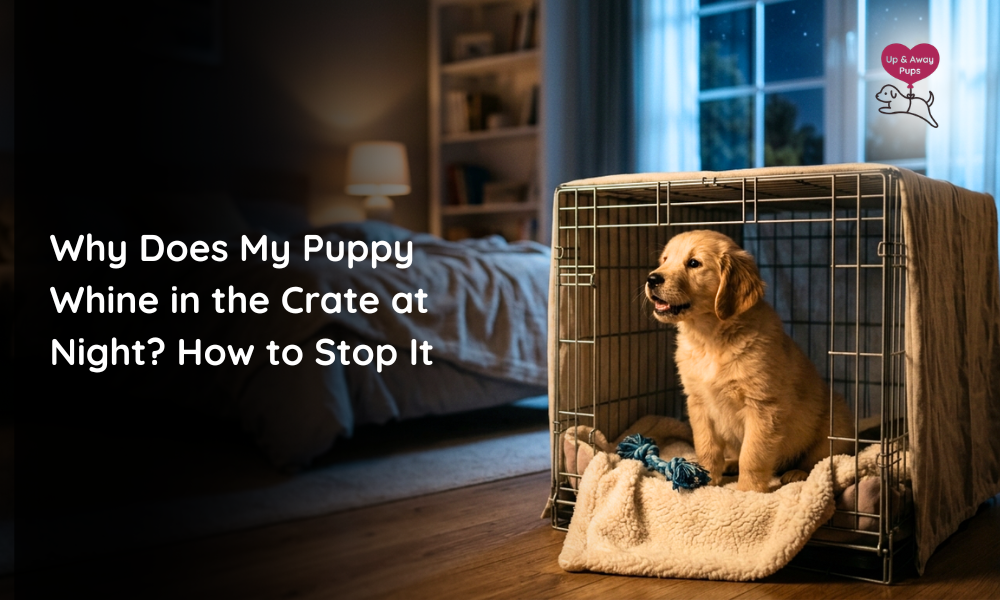
Puppy whining in the crate at night is common for new pet parents. Learn what causes it and discover practical crate-training tips to help your puppy relax and sleep peacefully.
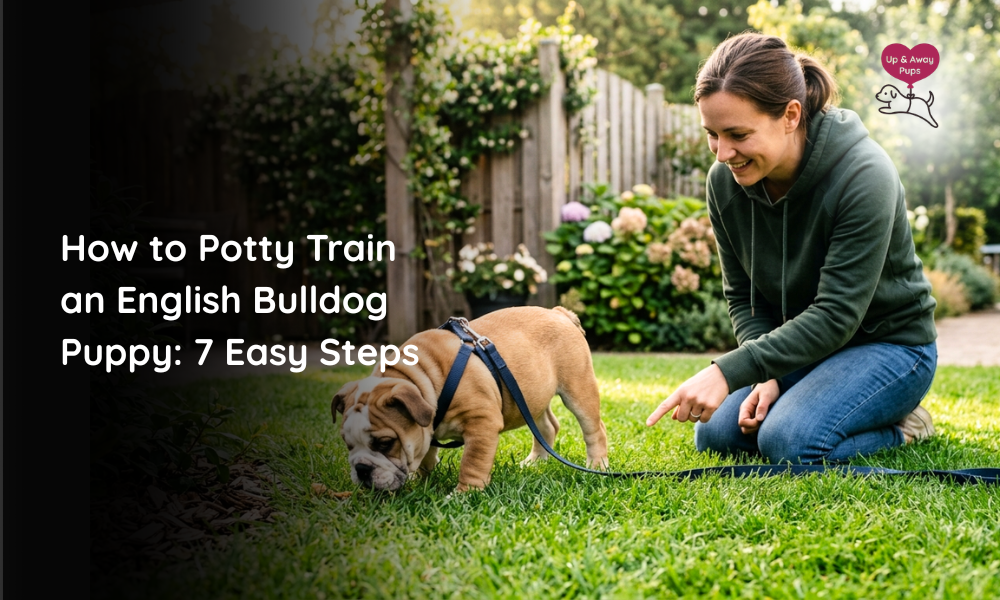
Bringing home an English Bulldog puppy is exciting, but potty training can feel overwhelming. Discover 7 easy, proven steps to build a routine, prevent accidents, and teach your puppy healthy bathroom habits faster.
Is your dog a social butterfly or a quiet observer? Discover the key differences between introverted and extroverted dogs and what their behavior reveals. Learn common dog personality traits, social habits, and energy levels that shape how your pup interacts with people, pets, and new environments.
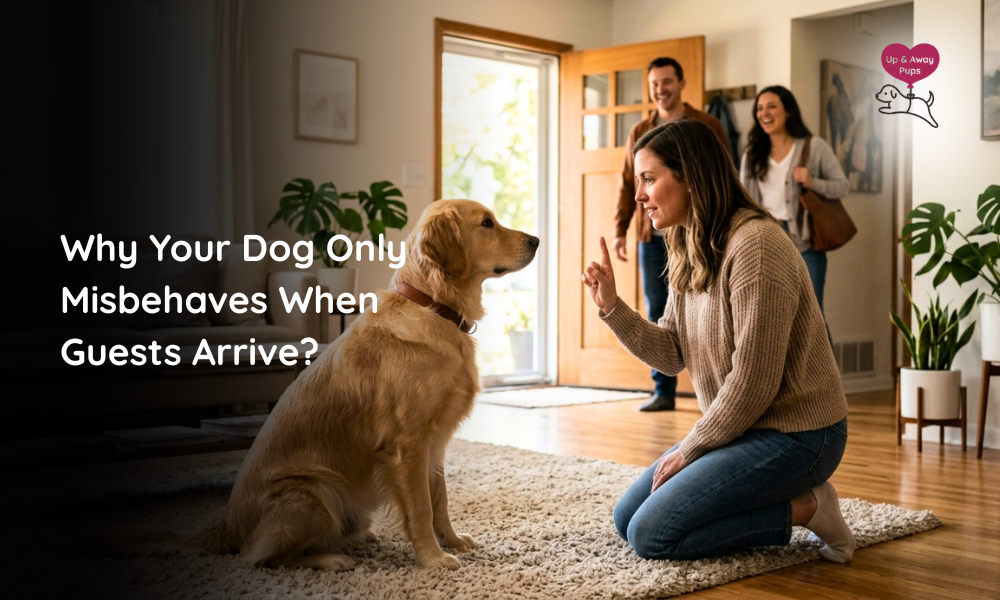
Does your dog suddenly start barking, jumping, or running around when guests arrive? Discover the reasons behind this common behavior and learn simple ways to encourage calmer greetings.
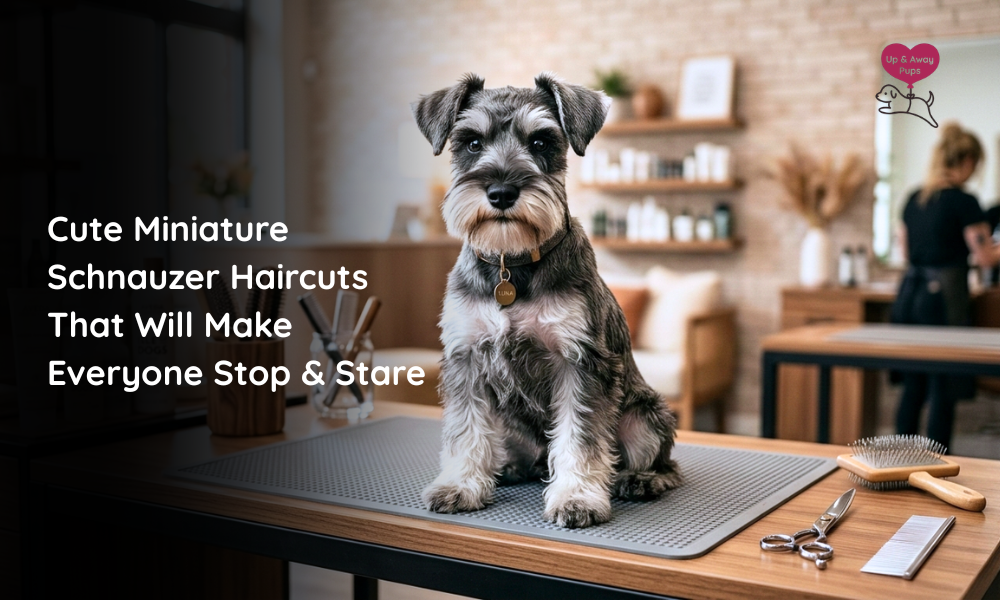
Find cute Miniature Schnauzer haircut ideas with expert grooming tips, coat care advice, and maintenance guides to help your dog stay comfortable and well-groomed.
Tiny paws, big love! Discover the best teacup puppies for couples ready to begin their pet journey. These small companions are affectionate, apartment-friendly, and full of playful charm. Learn which breeds fit your lifestyle and how to prepare for a happy life together.
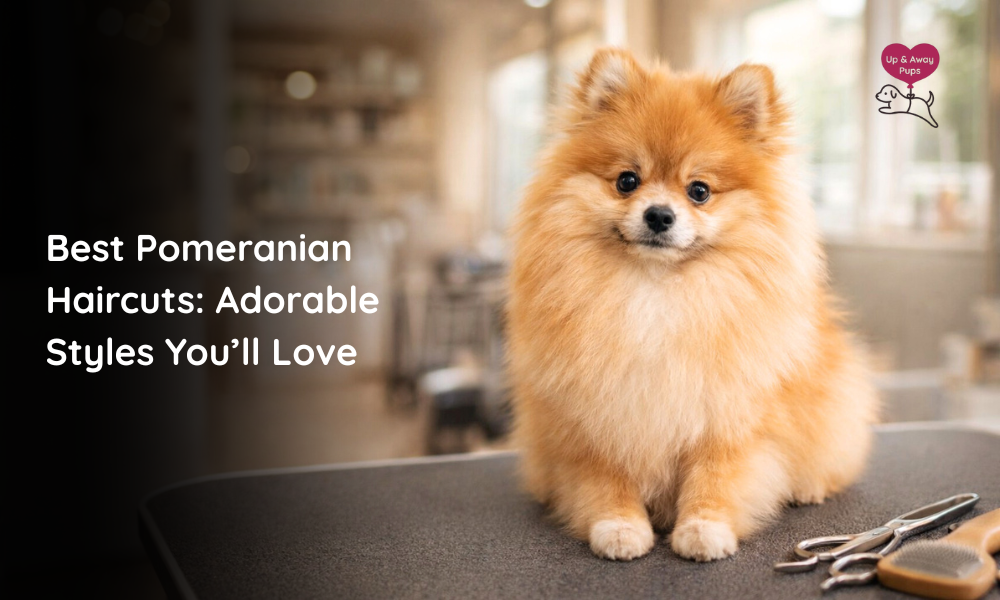
Find the perfect Pomeranian haircut with this complete style guide, including grooming advice to prevent damage and maintain their signature plush look. Discover which styles suit your dog’s coat type, lifestyle, and maintenance routine for long-term coat health.
Clingy dog behavior can stem from genetics, early experiences, socialization gaps, or separation anxiety in dogs. Learn the root causes of excessive attachment and discover practical training tips to encourage healthy independence and balanced dog behavior.
This Valentine’s Day, celebrate love in its purest form: the unconditional bond between dog lovers and their furry companions. From thoughtful keepsakes to practical puppy essentials, discover unique gift ideas that bring joy, warmth, and tail-wagging happiness to every dog parent’s heart.
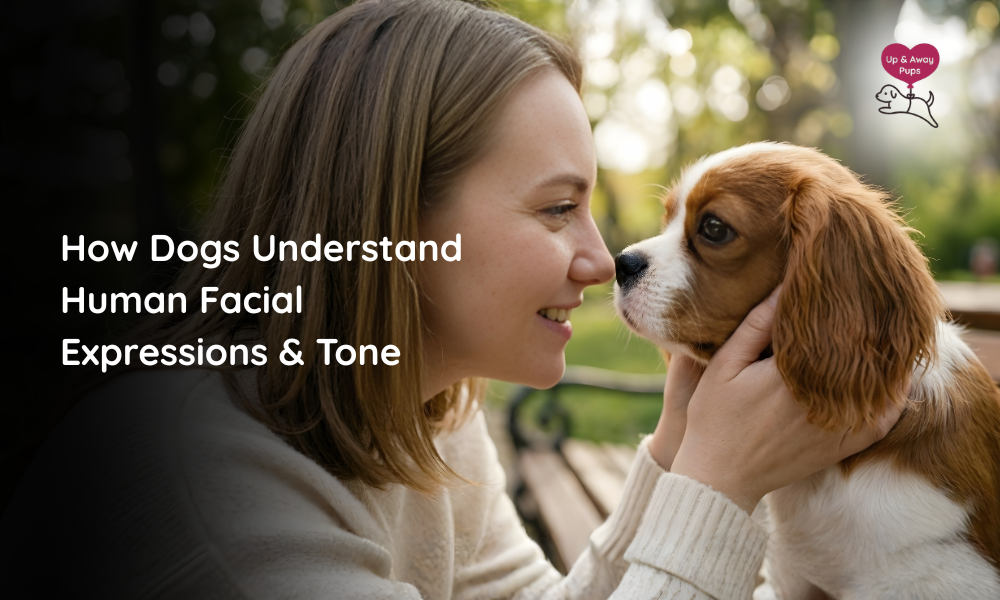
Dogs naturally understand human facial expressions, eye contact, and tone of voice to interpret emotions and intention. Their sensitivity to subtle cues such as smiles, facial tension, and vocal changes strengthens communication, builds trust, and deepens the bond between humans and their canine companions.
Whale eye—the visible white of a dog's eye—is a critical, often overlooked signal of canine stress. Learn how to identify this subtle warning, distinguish it from normal movement, and respond effectively to prevent escalation and keep your dog safe.
Teaching a dog to sit is a foundational step in obedience training that builds focus, impulse control, and calm behavior. This guide explains why “sit” matters, how dogs learn commands, and when to start training at any age. With clear cues, positive reinforcement, and step-by-step methods, you’ll help your dog learn reliably and confidently.
Teacup puppies are adored for their tiny size, charming looks, and affectionate personalities, making them popular companions for apartments and city living. The term “teacup” is not an official breed classification but refers to selectively bred toy dogs that are exceptionally small. Typically weighing 2–6 pounds, these dogs require special care, gentle handling, and regular veterinary attention. The article highlights 15 popular teacup breeds, detailing their traits, personalities, and suitability for different lifestyles, while emphasizing responsible breeding and informed ownership.
Learn what dog trancing is, why dogs do it, and the common signs to watch for. This slow, deliberate behavior often seen under curtains, bushes, or hanging objects is generally harmless and a normal way dogs experience sensory pleasure, relax, or self-soothe. While it can look unusual, trancing is different from seizures or other neurological issues. Dog owners should observe, ensure safety, and only consult a vet if it’s accompanied by distress, sudden changes, or other concerning symptoms, helping pets stay happy and healthy.
Retractable leashes are often debated in puppy training due to safety concerns and behavioral impact. When used correctly, at the right training stage, and with proper supervision, they can support controlled exploration and recall practice. This guide explains when retractable leashes are safe, when to avoid them, common mistakes owners make, and step-by-step tips to introduce them responsibly, helping puppies enjoy safer, calmer, and more confident walks with their owners.
Teacup Pomeranians are tiny, affectionate dogs known for their fluffy coats and lively personalities. This complete puppy guide covers everything you need to know, including breed traits, temperament, lifespan, health concerns, grooming, nutrition, training, and safety tips. Learn how to choose a healthy Teacup Pomeranian puppy, understand common health issues, and provide proper care to raise a happy, healthy companion. Perfect for first-time owners and small-dog lovers seeking expert guidance.
Fear is a biological survival mechanism, but phobias can cripple a dog's ability to learn and thrive. We dive into the physiological signs of distress and explain why punishment never works, offering instead structured solutions for long-term behavioral health.
This guide helps beginners train puppies with patience, consistency, and positive guidance. It explains how routines, bonding, and understanding puppy behavior build trust and confidence during early development. The article covers essential supplies, step-by-step training methods, gentle commands, socialization, leash skills, and mental enrichment. It also includes a simple daily training schedule and highlights common mistakes to avoid. By focusing on calm repetition, clear communication, and emotional safety, new owners can raise a well-behaved, secure, and happy puppy from day one.
This blog explains how Miniature Schnauzers grow from puppyhood to full maturity and answers the common question of when they stop growing. It covers adult height and weight ranges, differences between height and weight development, and how growth compares with other small breeds. A detailed month-by-month timeline outlines physical, muscular, and coat changes. The article also explains factors that influence growth, including genetics, nutrition, activity, and health, and offers practical tips to support healthy, balanced development.
Miniature Schnauzer vs Yorkshire Terrier compares two popular small breeds with distinct lifestyles and care needs. While similar in size, Miniature Schnauzers are sturdy, alert, and moderately active dogs suited for families seeking a confident, watchdog-like companion. Yorkshire Terriers, on the other hand, are delicate, affectionate, and companionship-driven, thriving in close human contact. The guide highlights key differences in temperament, energy, grooming, training, health, and diet to help potential owners choose the breed that best fits their home, routine, and long-term expectations.
Teacup Maltese dogs are beloved for their small size, loving nature, and silky coats. Weighing under four pounds, they require special care due to fragile bones and size-related health risks. With proper nutrition, regular veterinary check-ups, safe handling, and mental stimulation, these toy breeds can live 12–15 years. Aging stages from puppyhood to senior years affect energy, mobility, and health needs. Understanding genetics, feeding, exercise, and preventive care ensures long-term wellbeing. Knowledge of these factors helps owners provide comfort, safety, and a high quality of life for their tiny companions.
Yorkie Poos are small designer dogs loved for their playful nature, intelligence, and hypoallergenic coats. Their adult size depends mainly on genetics, especially whether a Toy or Miniature Poodle is the parent. Most Yorkie Poos weigh between 4 and 15 pounds and stand 8 to 14 inches tall. They grow rapidly in the first year, usually reaching full size by 9 to 12 months. Proper nutrition, balanced exercise, and regular veterinary care help ensure healthy growth and development.
The Yorkshire Terrier is a small yet confident dog known for its lively personality and affectionate nature. This complete breed guide covers everything you need to know, including temperament, cost, food and diet, training, care needs, weight, and lifespan. Whether you’re a first-time dog owner or considering a Yorkshire Terrier for your family, this guide helps you understand what to expect and how to provide the best care. Learn why the Yorkshire Terrier remains one of the most popular companion breeds in the USA.
City living has changed how people choose pets, making adaptability essential. Cavapoos, a mix of Poodle and Cavalier King Charles Spaniel, are well suited to apartments due to their small size, calm temperament, intelligence, and emotional sensitivity. They adapt well to routines, require moderate exercise, and tend to be quieter than many breeds. While apartment living presents challenges like limited space and stimulation, Cavapoos thrive with proper training, mental enrichment, grooming, and consistent schedules, making them excellent companions for urban residents.
The Teacup Morkie, a charming hybrid of Maltese and Yorkshire Terrier, is known for its delicate, silky coat and affectionate personality. Proper grooming is crucial for their comfort, health, and appearance. This guide covers key aspects of Morkie care, including gentle brushing routines, safe bathing, coat trimming, nail and paw maintenance, and face and ear hygiene. Essential grooming tools like soft slicker brushes, mild shampoos, and rounded scissors help keep their coat tangle-free and smooth. Following these steps strengthens the bond between owner and pup while preventing common problems such as matting, tear stains, dry skin, and rough nails. Consistent care ensures your Teacup Morkie stays confident, clean, and happy.
Puppy teething is a natural developmental phase in which young dogs replace baby teeth with adult teeth, often causing discomfort, chewing urges, and mood changes. Baby teeth emerge early, and adult teeth typically replace them between three and six months, with teething finishing by around seven months. Common symptoms include increased chewing, mild gum swelling, small blood spots, less appetite, and playful nipping. Owners can help with soothing chew toys, cooled items, softened food, gentle gum massages, brushing practice, and safe treats. Monitoring dental issues and seeking veterinary care when necessary ensures healthy oral development.
Celebrating Christmas with your puppy becomes more meaningful when you choose gifts that support their learning, comfort, and happiness. Understanding your pup’s habits energy levels, chewing tendencies, comfort needs, learning speed, and social behavior helps you select the right toys for a stress-free holiday. Interactive puzzles, durable chew toys, soft plushies, treat-dispensing balls, snuffle mats, heartbeat toys, and festive ropes all encourage healthy development and emotional security. A calm Christmas routine with gentle greetings, safe gift-opening, play breaks, and small treats ensures a joyful, confident, and memorable holiday for your puppy.
Teacup Chihuahuas are beloved for their tiny size and affectionate nature, but they require careful handling and attentive care. This guide explores their origins, expected size, growth stages, and key factors that influence development. It also highlights essential health considerations, such as fragile bones, low blood sugar, and breathing issues. Readers will learn how to support these delicate dogs through proper feeding, gentle exercise, grooming, and regular vet visits. With the right care, Teacup Chihuahuas can enjoy a safe, comfortable, and healthy life.
Teacup Chihuahuas are tiny, delicate dogs that require careful monitoring during their first year. Their growth depends on genetics, nutrition, activity, and overall health, with rapid development in the first 2–3 months and full size usually reached by 9–12 months. To ensure healthy growth, provide balanced meals, gentle supervised exercise, a safe indoor environment, routine vet visits, and consistent daily habits. Owners should watch for common issues like hypoglycemia, breathing difficulties, and fragile bones. Proper care fosters confident, happy, and healthy adult dogs.
The first 90 days with a new puppy involve excitement, adjustment, and rapid development. Early weeks focus on bonding, crate comfort, feeding routines, potty habits, and safe exploration. As the puppy grows, learning expands through simple commands, sound exposure, leash introduction, outdoor experiences, focus training, and teething support. Later weeks emphasize structured routines, stronger obedience, recall, behavior shaping, grooming, and building confidence. Common challenges include potty setbacks, mouthing, sleep disruptions, fear periods, and separation concerns. Consistency, patience, positive reinforcement, health monitoring, and guided exploration ensure a smooth, healthy start.
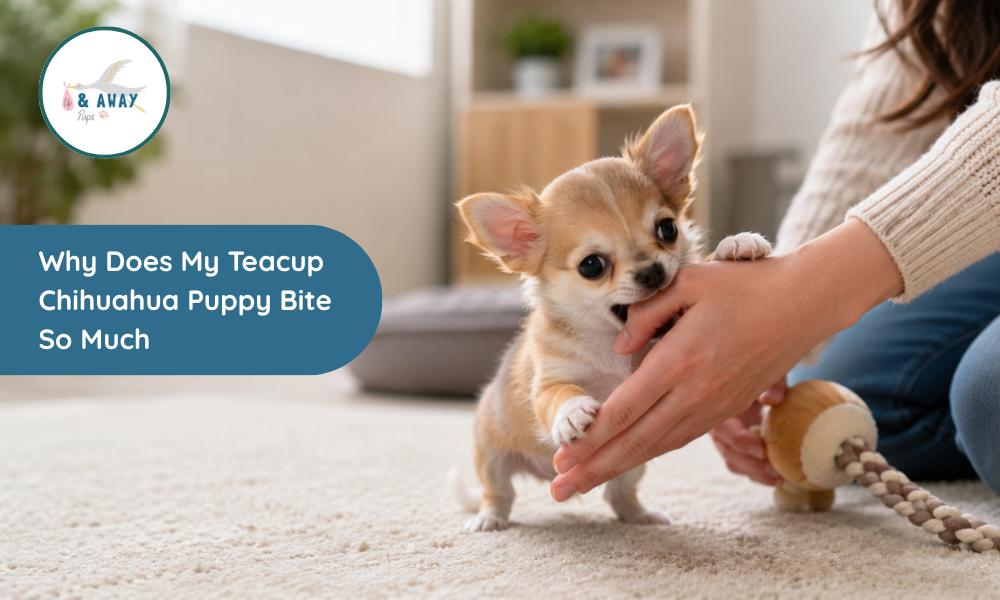
Puppy biting is a normal part of early development, often driven by teething, excitement, fear, or a lack of structure. Understanding these triggers helps owners respond with gentle, science-backed methods rather than punishment. Effective strategies include redirecting to chew toys, teaching bite inhibition, socializing early, keeping play calm, using cues like “settle” and “leave it,” and reinforcing good behavior consistently. Adequate exercise and enrichment also reduce frustration. Avoiding harsh corrections protects trust and prevents fear-based aggression. With patience and positive training, puppies grow into confident, well-mannered companions.
Small dog breeds are often misunderstood, but these pint-sized pups have huge hearts and personalities. Contrary to popular myths, small dogs need regular exercise, are intelligent and trainable, and make wonderful family companions when treated gently. They’re not all “yappy” lap pets many are adventurous, loyal, and full of energy. With proper care, small breeds often live long, healthy lives and bring endless joy to their owners. Discover why small dogs prove that love, courage, and happiness truly come in small packages!
Puppies aren’t just adorable, they’re natural stress relievers and happiness boosters. From lifting your mood and promoting laughter to encouraging exercise, social connection, and emotional resilience, their presence has measurable mental, emotional, and physical benefits. Daily interactions, cuddles, and playtime with a puppy can lower stress hormones, release feel-good chemicals, and bring structure and joy to your life. Discover how puppies transform homes into happier, calmer spaces and why adding one to your family could be the key to daily joy and well-being.
New puppy owners often feel anxious when their pets resist leashes. Positive reinforcement and gentle patience help puppies adjust and enjoy walks. Leash training improves safety during outings, encourages socialization, builds obedience, boosts confidence, and strengthens the bond between owner and pet. Using proper gear like comfortable leashes, harnesses, treats, and visibility aids ensures comfort and safety. Step-by-step training, from indoor practice to outdoor sessions, helps puppies adapt calmly. With consistency, rewards, and love, leash time becomes a positive, confident, and joyful experience for both puppy and owner.
Taking care of a Teacup Maltipoo involves gentle, consistent grooming to maintain its health, comfort, and adorable appearance. Regular brushing keeps the coat silky, shiny, and free of tangles, while bathing with mild, hypoallergenic shampoo preserves essential oils. Trimming around the eyes, paws, and tail ensures hygiene and comfort. Ear, eye, and nail care prevent infections and maintain posture. Using proper grooming tools and calm handling strengthens your bond. A clean, soft, and well-groomed Maltipoo reflects happiness, vitality, and love, showcasing the deep connection between owner and pet.
The holidays are a wonderful time to include your dog in the fun. From festive photos and cozy “Christmas walkies” to safe homemade treats, there are many ways to make them part of the celebration. Choose durable toys, puzzle feeders, or snuffle mats as gifts, and always prioritize safety by securing the tree, avoiding toxic plants, and keeping decorations out of reach. Provide a quiet space for your dog to relax during gatherings. Most importantly, give them love, attention, and joyful moments together—your best Christmas gift of all.
Dachshunds are not hypoallergenic, as they shed and produce dander that can trigger allergies. However, people with mild allergies may still live comfortably with them through proper care. They come in three coat types—smooth, wirehaired, and longhaired—with wirehaired Dachshunds shedding the least. Regular grooming, vacuuming, and using HEPA filters help reduce allergens at home. It’s also important to maintain the dog’s diet and consult a vet for skin health. With consistent cleaning and care, many allergy sufferers can still enjoy living happily with a Dachshund.