

Is Your Dog an Introvert or an Extrovert? Behavioral Signs to Watch
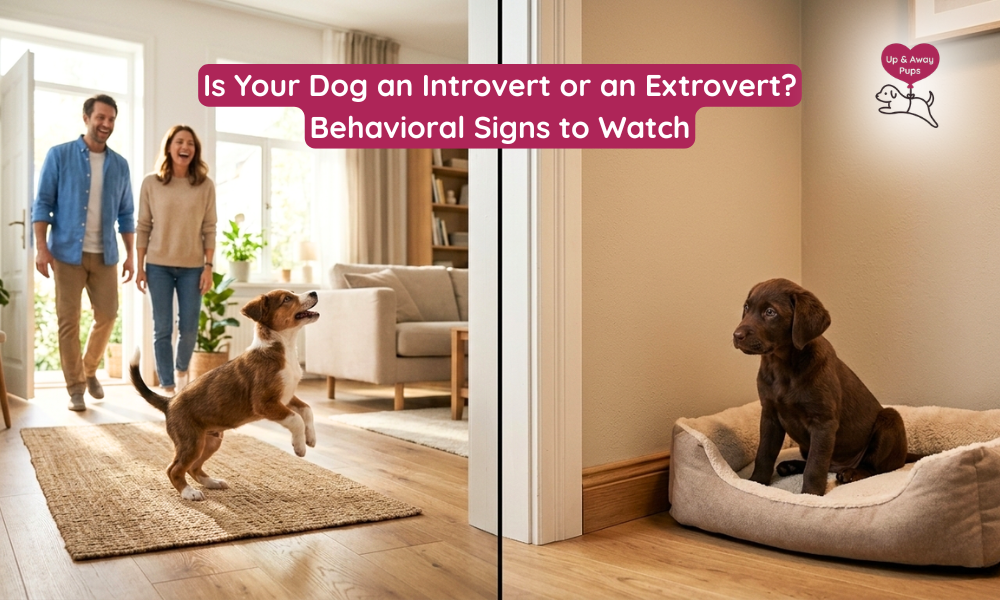
Is your dog a social butterfly or a quiet observer? Discover the key differences between introverted and extroverted dogs and what their behavior reveals. Learn common dog personality traits, social habits, and energy levels that shape how your pup interacts with people, pets, and new environments.
🐾 Table of Contents
Wondered why there are other dogs that jump in the room as the life of the party, and there are others that calmly bury themselves in a corner and look into the world with mild curiosity? Dogs possess distinct social personalities just like human beings. There are pups who embrace every person who comes their way with a wagging tail, and others who prefer quiet surroundings, ones they know well, and routine.
Knowing which dog type you own, either introverted or extroverted, is not only an enjoyable personality test, but it is a vital aspect of promoting the emotional cycles of your pet. A dog's social style influences their attitude toward new surroundings, new people, games, training, and even daily stress.
So let us understand the telltale behaviors of both the introverted and extroverted dogs that remove the common misconceptions and help you know what your pup is telling you through their actions.
Do Dogs Really Have Introvert and Extrovert Personalities?
Although it is difficult to place dogs into certain categories of human personalities, the contemporary science of dog behavior has identified specific social instincts expressed in dogs. These are inclinations usually born of a combination of:
- Genetics and breed tendencies
- Early socialization
- Life experiences, including trauma
- Their unique temperament
Thus, even though the terms introvert and extrovert are informal-terms, they enable us to know how comfortable a dog will be in various environments.
Signs Your Dog May Be an Extrovert
Most extroverts are generally outgoing, playful, and fond of socializing. Most of them tend to flourish in high-traffic places and like interacting with strangers or beasts.
Meet Puppies Ready for Loving Homes 🐶
Explore adorable puppies looking for their forever families today.
Browse All PuppiesLoves Meeting New People
Extroverted dogs normally express excitement on meeting strangers. Their body language looks welcoming and enthusiastic, and they are promptly aiming at intercourse, affection, and attention of those who come and meet them.
Common behaviors include:
- Wagging tail rapidly
- Jumping to greet
- Going out there to meet people
- Seeking physical affection
Such dogs tend to perceive strangers as possible friends rather than enemies. Hence, they are always good to talk to and usually curious to see new people when paid a visit or taken out.
Enjoys Playing with Other Dogs
Strongly social dogs are most likely to prosper in the presence of other dogs, and this is where they are willing to play around. They are enthusiastic in a group and usually love going to the dog park or even on a play date with another dog.
Averages of play behavior involve:
- Initiating play bows
- Chasing other dogs
- Wrestling during play
- Running in groups
This characteristic will see dogs develop social confidence with interaction, and also stand to gain most of the time when they have a chance to socialize with other like-minded dogs.
High Energy and Playfulness
Extroverted dogs usually show greater degrees of activity and movement eagerness. They are usually not reluctant to engage in games, outdoor activities, and mental stimulation during the day.
Behaviors that are driven by energy are:
- Constant toy fetching
- Frequent play requests
- Zooming around the house
- Restless without activity
Exercising and challenging games will keep such energetic dogs on their feet, keep them from boredom, and align with their usual energetic, outgoing nature. Such extroverted features are often exhibited by breeds such as the Miniature Schnauzer, which flourish on interactive games and socializing.
Seeks Attention Frequently
Extroverted dogs have a high level of socialization and tend to seek to be associated with their owners a lot. They can also be actively interested in finding love, communication, and entertainment during the day.
Examples of typical attention-seeking behaviors are:
- Following the owner everywhere
- Nudging for pets
- Pawing for interaction
- Barking for attention
These types of dogs usually enjoy being involved in family activities and, therefore, can be bored and get frustrated when not allowed to exercise in the company of family members. Likewise, French Bulldogs are affectionate and outgoing, and when out and about, will always need to be noticed and have company.
Adapts Easily to New Environments
Extroverted dogs are often curious and confident when exploring unfamiliar places. Instead of feeling anxious, they typically approach new environments with excitement and eagerness to investigate.
Typical responses include:
- Curious sniffing around
- Exploring new spaces
- Calm during travel
- Comfortable in crowds
Their adaptable nature helps them adjust quickly to travel, busy parks, or social gatherings, making them easier companions in dynamic or frequently changing environments.
Signs Your Dog May Be an Introvert
Here are the signs of an introvert dog:
Prefers Familiar People
Introverts are reserved when it comes to strangers, but could form strong relationships with their close family. Time frequently has to pass before they can socialize. Shared questions such as Why Your Dog Only Misbehaves When Guests Arrive may be attributed to the tendency of an introverted dog.
Typical behaviors include:
- Staying close to the owner
- Avoiding unfamiliar visitors
- Slow warming up
- Observing from a distance
These dogs value trust and familiarity, and once comfortable with someone, they often show deep loyalty and affection toward their trusted human companions.
Enjoys Quiet Activities
Certain dogs require low-energy communication and do not get bored by being involved in a game all the time. Relaxed activities and quiet moments are some of the things that introverted dogs would prefer.
Quiet preferences include:
- Relaxing beside the owner
- Gentle indoor play
- Short calm walks
- Resting in cozy spots
Offering relaxed schedules and familiar activities would make them feel safe, and they would get to enjoy their company without feeling stressed by excessive stimulation.
Avoids Crowded Environments
It can be intimidating for more shy dogs when there are a lot of people around. Shy dogs also like a less hectic environment where they can move and roam freely without more noise and commotion.
Common reactions include:
- Hiding behind the owner
- Backing away slowly
- Avoiding dog groups
- Showing subtle stress
Their level of comfort should be respected to avoid anxiety, and exposure to social environments in a gradual manner may gradually develop confidence without exposing them to stressful situations.
Needs Alone Time
There are also introverted dogs that need their space to get some rest. Knowing such behaviors as one of them is Why Are Some Dogs More Clingy, can make owners appreciate their dog in need of space but see in every instance of clinginess a natural showing of attachment.
Typical behaviors include:
- Resting in quiet corners
- Retreating to bed
- Ignoring play invitations
- Choosing solitary rest
They should give the dogs the independence to break the routine so that their emotions do not trouble them, and so the dogs feel secure and safe in their home.
Can a Dog Be Both Introverted and Extroverted?
Absolutely! There are a number of dogs that lie between the two ends. It also depends on context. A dog can be outgoing at home and reserved in another place.
Pay attention to:
- Body language
- Energy levels
- Stress cues
- Preferred activities
Your dog's behaviors help determine what they are most secure about and what makes them feel most loved.
Conclusion
All dogs are individuals, and understanding whether your pet dog is an introvert or an extrovert can help them feel better. You can help your dog live to its fullest in terms of emotions and social life by monitoring their behavior, providing a supportive environment, and adjusting their activity level to suit their personality.
Finding out about your dog's personality is only the first step toward living a happy and healthy life together.