

Why Is My Puppy Always Hungry? Common Causes Explained
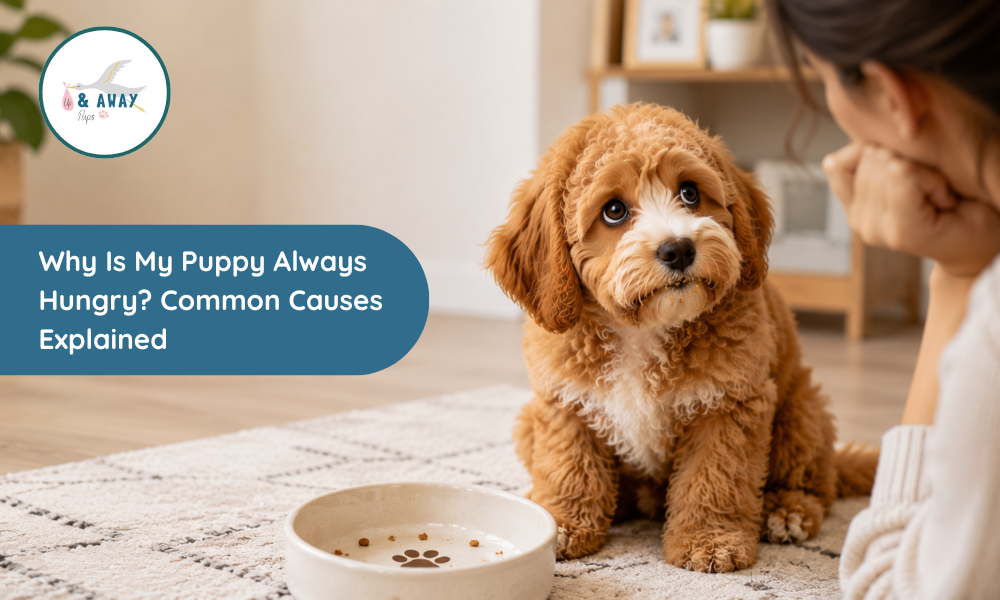
Is your puppy constantly begging for food, even after meals? Discover why growing puppies often seem hungry, what causes excessive appetite, when to be concerned, and how proper nutrition, portion control, and feeding routines can keep your puppy healthy and satisfied.
The joys of pet parenthood when your puppy is spoiling for a change of activity, running around excitedly towards the food bowl. With tiny paws, wagging tails, and those puppy-dog eyes, feeding time can feel like the best part of the day. However, if your small pet eats up one day and then starts to appear hungry right after, then many owners may begin to worry.
If the puppy has an appetite, it typically means it is healthy, and growing puppies require lots of energy for their development. Understandable why they're feeding more than an adult dog. They grow up so quickly, are so playful, and yet have a high metabolism.
However, certain behaviors or health issues can lead to increased appetite, which warrants closer examination. Knowing about these common causes can help owners who are breeding Cockapoo puppies or other small dog breeds ensure good puppy development and promote good behavior throughout the puppy's lifetime.
Is It Normal for Puppies to Be Hungry All the Time?
Yes, most puppies have a full appetite!
It takes a lot more energy for growing puppies to burn calories than for an adult dog, particularly for smaller breeds with faster metabolisms. They also need to be eating a variety of meals throughout the day, as they have small stomachs.
Common reasons include:
- Rapid growth
- High energy levels
- Frequent play sessions
- Smaller stomach capacity
- Faster metabolism
One of the biggest puppy food mistakes an owner can make is giving all puppies the same portion of food, despite differences in their breeds and sizes. Some small breeds like Maltese, Yorkies, and Shih Tzus may have calorie requirements other than the big breeds, so it is important to master portion control and quality puppy food.
However, if there is chronic hunger coupled with some unusual symptoms, this requires further attention.
Understanding the Real Reasons Behind Your Puppy's Hunger
There are several common factors that can cause an emotional response in your dog after meals.
Your Puppy Is Growing Rapidly
Your puppy's nutritional needs will grow rapidly. The body needs additional calories for healthy development, as your child is also developing her bones, muscles, organs, and brain function until they are 1 year old.
Signs Your Puppy Is Fueling Healthy Growth
- Strong bones
- Healthy muscles
- Brain development
- Immune system support
- Healthy teeth and organs
Pro Tip: Remember to keep an eye on your puppy's body condition each week, as healthy growth should take precedence over an empty bowl or constant begging.
Your Puppy Isn't Eating Enough
So the daily calorie requirements for puppies vary greatly, particularly for active, small breeds. If you are feeding your puppy old portion sizes, they may still be hungry between meals.
Possible Reasons Your Puppy Needs More Food
- Giving too small amounts of food
- Keeping to outdated feeding charts
- Failure to adjust portions as the child grows
- Highly active lifestyle
Pro Tip: Always consult your veterinarian before making changes to meals, especially when trying to determine why a puppy isn't eating.
The Food Isn't Nutritionally Balanced
Puppy food must be high quality; otherwise, it may fail to satisfy a puppy's appetite, even if it seems to fill it. Full and balanced nutrition supports growing puppies' energy and wellbeing and aids healthy development and fullness.
What to Look for in Puppy Food
- High-quality animal protein
- Healthy fats
- DHA for brain development
- Fat-soluble vitamins and minerals
- Complete and balanced puppy formula
Pro Tip: Save by buying top-quality puppy food. It has more nutrients, which will keep small-chunked puppy pups feeling full between snacks.
Your Puppy Is Extremely Active
Familiarize yourself with the number of calories you may burn each day while you're playing, out for a walk, in training, or exploring. It is only as they are more active than their littermates that they require more energy to keep them alive.
Activities That Increase Calorie Needs
- Running
- Interactive play
- Training sessions
- Outdoor adventures
- Longer walks
Pro Tip: Try to maintain a balanced exercise-feeding-nonstop-rest routine to keep your puppy happy and healthy.
Growth Spurts Can Trigger Bigger Appetites
Growth is never equal for each week. Puppy growth spurts are often temporary and can cause your crate-trained canine to overeat, leading to increased nutrient and energy needs.
Common Signs of a Growth Spurt
- Increased hunger
- Longer naps
- Faster weight gain
- Higher energy between rest periods
Pro Tip: The temptation to feed more often typically subsides once the growth spurt is over, so don't overfeed unless directed by the vet as part of a medical regimen.
Your Puppy Has Learned Begging Works
Smart puppies realize that when they beg, they'll get more food, either from you or off the dinner table. Teaching the children to feed each other the heady-eyed way that they inevitably will can lead to bad eating patterns becoming adults.
Behaviors That Encourage Begging
- Table scraps
- Extra treats
- Human food
- Additional meals
Pro Tip: Everyone in the household should use the same feeding approach, so a puppy understands that begging will not get him additional treats.
Intestinal Parasites
Your puppy's body doesn't get any nutrients when they are siphoned by internal parasites. Hunger and digestive issues could indicate the presence of worms rather than normal growth.
Other Symptoms to Watch For
- Pot-bellied appearance
- Diarrhea
- Vomiting
- Weight loss
- Poor coat condition
- Scooting
Pro Tip: Keep in mind that regular deworming, tidied living areas, and visits to the vet significantly minimize the risk of parasites causing digestive upset.
Medical Conditions
Sometimes medical issues can lead to excessive hunger, but they're typically rarer among young puppies. Many other symptoms are often seen with diabetes, digestive disorders, and hormonal imbalances and require veterinary evaluation.
Signs That Need Veterinary Attention
- Excessive thirst
- Frequent urination
- Weight loss
- Low energy
- Persistent vomiting
- Ongoing diarrhea
Pro Tip: Sudden appetite changes lasting several days warrant prompt veterinary attention, as early diagnosis often improves treatment outcomes and long-term health.
The Merck Veterinary Manual says that any sudden drop in appetite, when combined with other symptoms, should always be treated by a veterinarian. It can be a sign of an underlying disease and not a normal part of puppy development.
How Can You Tell if Your Puppy Is Truly Hungry?
Not all demands for treats are necessarily demands for food. Puppies also want attention. They follow familiar routines or are excited by familiar smells of food around the house.
Signs of genuine hunger include:
- Finishing meals quickly
- Searching for food consistently
- Maintaining a healthy body condition
- Growing appropriately for age
Tips to Help Your Puppy Feel Full
Making simple feeding decisions can greatly affect how your puppy feels and his overall health. Here’s what to do:
- Serve three to four regular meals a day
- Feed a well-balanced puppy diet
- Slow feeders with puzzle pieces
- Feed treats only about 10% of the daily calories
- Keep fresh water available at all times
Conclusion
During growth, most puppies' appetites fluctuate wildly, and many of those additional mealtimes are simply part of normal development. While each small-breed puppy has individual nutritional needs, a balanced diet, regular veterinary visits, and a consistent feeding schedule will help ensure smooth growth and long-term health.
With proactive prevention today, your puppy will develop healthy eating habits that will last well into adulthood.
Frequently Asked Questions
Why does my puppy feel hungry after eating?
The most common causes are being too heavily populated, too active, or portions that are too small. Puppy "food aggression" can also result from the accidental "begging" behavior.
How many meals do small-breed puppies need?
Small breed puppies can be fed 3 to 4 times daily until they turn 6 months of age, after which feeding is reduced to 2 meals.
Do worms make a dog hungry all the time?
Yes. Intestinal worms may cause anorexia (indifference to food), with digestive disturbance and weight loss.