

The Biggest Puppy Food Mistakes New Dog Owners Make
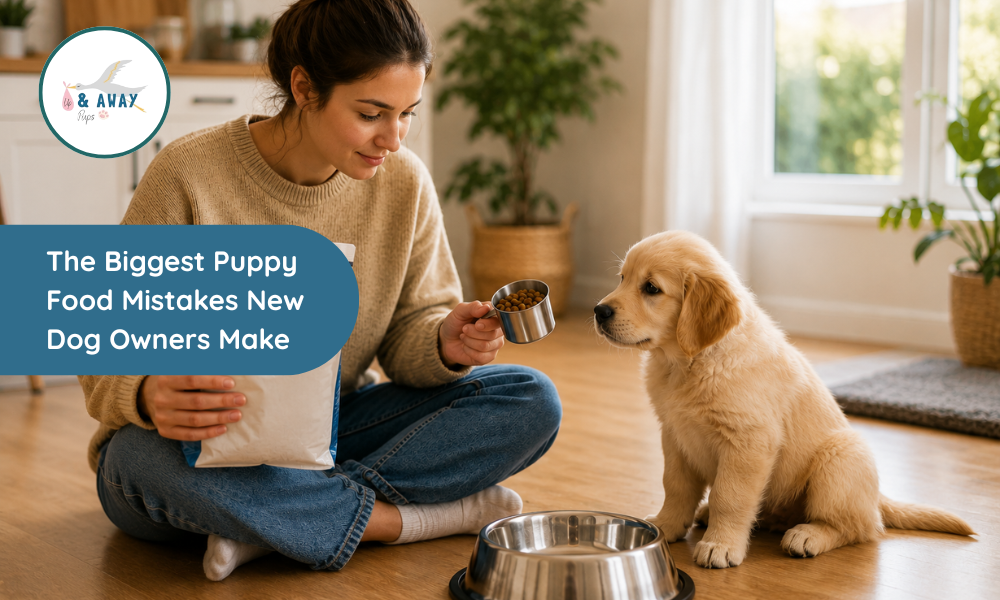
Bringing home a new puppy comes with many responsibilities, and proper nutrition is one of the most important. Discover the biggest puppy food mistakes new dog owners make and learn how to support healthy growth, development, and lifelong wellness.
Getting a new puppy home is an exciting, emotional ordeal. Between training schedules, vet visits, toys, and sleepless nights, nutrition often slips under the radar when new dog owners are concerned. Although puppies consume almost everything they find, their growing bodies require a balanced mix of nutrients to support bone and muscle growth, brain development, and immune function.
Sadly, information from marketing hype or human eating habits is what first-time owners usually go by. If you know about common puppy food mistakes, your pup will grow into a healthy, powerful adult dog.
Feeding Adult Dog Food Too Soon
One of the most common mistakes that new owners make is switching puppies to adult dog food too soon. Puppy food is uniquely designed using.
Increased protein content
- Calories added for growth
- Vital nutrients and minerals
- Beneficial fats for cognitive growth
A growing puppy might not get enough nutrients from adult dog food. Small breeds and large breeds also reach maturity at different speeds, so their food transition timing should vary.
Always consult your vet before changing your pet's food.
Overfeeding Throughout the Day
Many pet owners think puppies should be allowed to eat as much as they want. Though puppies require frequent meals, overfeeding can lead to:
- Gaining too much weight
- Stomach problem
- Joint stress
- Eating poorly can become a habit
Toy breed dogs require a carefully measured portion. For instance, a Teacup Maltese might do better if fed smaller meals uniformly distributed throughout the day rather than free-feeding access.
Portion-controlled feeding schedules can help puppies develop healthier eating habits.
Giving Too Many Treats During Training
Training treats are useful. Too much can create a nutritional imbalance. Some owners inadvertently swap balanced meals for snacks and rewards.
Excessive treats cause common problems like:
- Obesity
- Selective eating behaviors
- Unsettled tummies
- Eating less at mealtime
Use healthier options, such as: instead of packaged treats, such as:
- Little morsels of boiled chicken
- Vegetable for puppies
- Low-calorie treats approved by vets
Developing a daily routine for happy and healthy pups can help owners to better manage and treat portions during training sessions.
Changing Food Brands Too Frequently
Puppies are susceptible to tummy troubles due to unexpected changes in their diet. Changing brands could lead to problems.
- Throwing up
- Loose stool
- Gas
- less hunger
Some owners begin searching online for causes of a puppy not eating, when the reality may be a sudden change in diet.
If you want to switch foods, do it gradually over 7–10 days. Add a little of the new food in with the old. Increase the amount of new food over time until your pet is eating only the new food.
Ignoring Breed-Specific Nutritional Needs
Different dog breeds need different feedings. Large breeds benefit from a controlled growth rate, while toy breeds often require a high-calorie diet in smaller portions.
For example, a Teacup Pomeranian may require a constant feeding schedule to maintain stable blood sugar levels because of its tiny size and fast metabolism.
Nutrition designed for specific breeds is beneficial, especially with:
- Bone development well
- Consistent energy levels
- Improved digestion
- Sustained joint wellness
Choosing the right food for your puppy largely depends on identifying its breed.
Feeding Unsafe Human Foods
Many puppy-safe human foods can be unhealthy for your puppy in small amounts. New owners often unintentionally share foods that may cause stomach upset or toxicity.
Puppies should stay away from:
- Cocoa Sweet
- Dried grapes
- Allium vegetables
- Caffeine
- Liquor
- Foods that have xylitol
Many owners wonder, "Can puppies drink milk?” as it must be a healthy drink since puppies nurse from their mothers. Most puppies will become lactose intolerant once weaned, and cow’s milk can cause diarrhea and stomach upset.
Your safest and healthiest option is always freshwater.
Not Monitoring Portion Sizes Properly
Puppy feeding recommendations on the packaging are a good guide, but every puppy has different needs.
This includes:
- Active level
- Size of breed
- Metabolism
- Age
Estimating the right portions can be hard. Use measuring cups to avoid overfeeding. It is best for puppies to be lean rather than too round.
Weight checks at veterinary appointments can help owners adjust portions properly.
Choosing Food Based Only on Marketing
Just because packaging looks fancy and labels are trendy doesn’t mean the nutritional quality is any good. Term like:
- “Natural”
- “Premium”
- “Holistic”
- “Gourmet”
... may at times be more about marketing than about real nutrition.
Instead, shift your focus to foods that comprise:
Genuine protein sources
- Nutrients that are balanced
- Formulas based on breed or size
- Veterinary nutritional clearance
Reading ingredient labels closely can help owners make safer choices.
Skipping Veterinary Guidance
Many first-time dog owners only refer to the internet for puppy food. While googling information can be beneficial, also check it with the vet.
Seek assistance from veterinarians for monitoring:
- Strong expansion rates
- Subduing weight
- Food allergies
- Lack of nutrients
- Healthier gut
When you put nutritional advice to use early on, it can prevent problems down the line and ensure proper puppy development.
Final Thoughts
Proper feeding of a puppy during its first year of life lays the foundation for a well-balanced life. New dog owners make a lot of mistakes, but most are avoidable with education and consistency.
Consuming balanced meals in the right quantities and proportions, suitable for the dog's breed and as advised by a vet, is a must for a healthy dog. If owners can learn the biggest puppy food mistakes and avoid them when their dog is young, they’ll allow their puppy to get a great start to life.
Frequently Asked Questions
How often should puppies eat during their first six months?
Three to four meals a day at set times are what most puppies do best. It gives them energy and allows for good digestion.
Should puppies eat immediately before or after exercise sessions?
Feeding the puppies immediately after exercise can cause discomfort, so wait a little while. You can also improve their digestion and hydration.
Is wet food better than dry food for growing puppies?
Both options will work well if nutritionally balanced, age-appropriate, and recommended for your puppy.