

Why Are Some Dogs More Clingy Than Others?
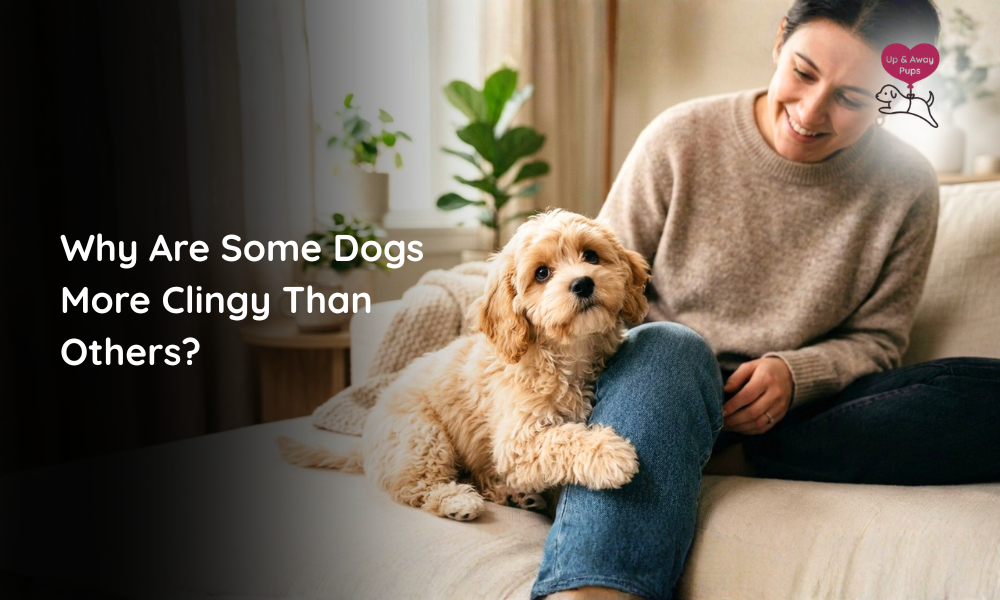
Clingy dog behavior can stem from genetics, early experiences, socialization gaps, or separation anxiety in dogs. Learn the root causes of excessive attachment and discover practical training tips to encourage healthy independence and balanced dog behavior.
🐾 Table of Contents
Dogs are by nature social animals that seek companionship, and this attachment spreads to many people. Some dogs are independent and relaxed, whereas others always want your attention, love, and reassurance.
Clingy behavior does not necessarily involve any type of problem; it is a characteristic of a dog and its personality, emotional needs, and environment. But knowing the underlying causes can help keep the behavior healthy and under control.
What Does “Clingy” Behavior Look Like?
Dogs may be clingy, and the key to making sense of your beak's emotional state is to first realize that clinginess shows in a number of ways.
Common signs of a clingy dog are:
- Following you from one room to another
- Seeking physical contact constantly
- Barking or whining when they are left alone
- Sitting on your lap or feet frequently
- Showing signs of distress when you leave
Although such actions are cute, overdependence can lead to signs of emotional or environmental sensitivity.
The Science Behind Dog Attachment
Bonds that are created between humans and dogs do so in a similar way. This connection is reinforced by the hormone Oxytocin, otherwise known as the love hormone.
During interplay, eye contact, touch, and play between dogs and their owners increase oxytocin levels in both and strengthen attachment. Others are merely more vulnerable to this bonding process, and some of them tend to be more clinging.
Key Factors Behind Clingy Dog Behavior
Each of the factors below elaborates on how various factors influence a dog to keep close and need plenty of company all the time.
Breed Tendencies and Genetics
Some dog species are genetically predisposed to be more attached to humans because of their historical roles and genetic makeup. Small companion breeds, such as the teacup maltese, are particularly prone to developing deep one-on-one relationships, as they tend to like to be physically near their owners all day long.
The inherited characteristics affect attachment styles:
- Forming strong human bonding
- Companion breed traits
- Velcro dog nature
- Selective breeding patterns
Although genetics plays a role in clinginess, it can be managed with proper training and an appropriate environment so that your dog is loving without being overly dependent.
Early Life Experiences
The early stages of development in a dog significantly influence the dog's emotional behavior in later life. Early separation in puppies or stressful situations may make them insecure and increase attachment and clinginess. This explains why several individuals who plan to choose the best teacup puppies for couples sometimes regard the concept of breeds raised in a healthy, supportive atmosphere as a way to promote a balanced attachment at a tender age.
These initial impressions determine the reaction to emotions:
- Early separation impact
- Lack of maternal care
- Trauma exposure effects
- Rescue dog behavior
Stability and positive reinforcement can help dogs overcome their insecurities in childhood, develop confidence, and grow up without relying on human presence all the time.
Lack of Socialization
Failure to properly socialize dogs at a crucial stage of growth may make them feel threatened in unfamiliar circumstances. This makes them overly dependent on their owners for reassurance, hence even more clingy. Otherwise, small cues of stress, such as a whale eye in dogs, which occurs when the whites of the eyes are visible, may indicate discomfort and an increased desire to remain close to stay safe.
Exposure is limited, producing dependency patterns:
- Minimal social exposure
- Fear of strangers
- Environmental insecurity
- Limited adaptability skills
Slow exposure to unfamiliar environments, individuals, and experiences contributes to the development of confidence, in which the dogs feel safe without always relying on their owners to soothe them.
Separation Anxiety
One of the most frequent causes of excessive clinginess is separation anxiety, in which dogs become upset when left alone. This is more than just normal attachment and may result in destructive behavior and emotional pressures.
Some of the behaviors associated with anxiety can be:
- Excessive barking issues
- Destructive chewing habits
- Escape attempt behaviors
- Constant vocal distress
Separation anxiety can only be addressed through structured training, which requires a lot of patience. In some cases, professional assistance may help dogs feel safe and comfortable when their owners are absent.
Owner Behavior and Reinforcement
Dogs learn very fast based on how their owners react to them. When attention-seeking behavior is consistently rewarded with affection or treats from a mentor, dogs learn that being clingy yields favorable results, and they tend to repeat the behavior over time. This tendency is also quite common among lap-loving breeds like the Teacup Shih Tzu, where constant dependence is unintentionally introduced through cuddling and attachment.
Patterns of learned behavior are created by:
- Constant attention rewards
- Inconsistent training responses
- Overdependence on encouragement habits
- Lack of boundaries
Rewarding poise rather than attention-seeking behavior can also help balance the relationship. The dog will not feel highly dependent but rather secure.
Changes in Environment or Routine
Dogs are creatures of routine, and the introduction of a new environment or a change of routine can cause uncertainty. They can cope by becoming even more attached to their owners as a way of receiving some comfort and sticking out.
Disruptions can trigger clinginess:
- New home transition
- Schedule changes impact
- Family dynamic shifts
- Unfamiliar surroundings stress
Having a regular routine and making transitions gradually make dispositions easier for the dogs, reduce anxiety-related attachment, and foster a sense of safety in unfamiliar environments.
Health Issues
Clinginess may sometimes be a symptom of ill health. To make them feel safe and reassured, dogs with pain, discomfort, or illness need additional attention and closeness.
Behavior is significantly impacted by physical discomfort through:
- Hidden pain symptoms
- Illness-related dependency
- Aging discomfort factors
- Sudden behavior changes
In cases of suddenness or increased clinginess, it is crucial to consult a veterinarian to rule out medical complications and ensure your dog's overall health and long-term well-being.
Tips to Manage and Reduce Excessive Clinginess
To ensure that your dog becomes self-reliant while you still maintain a close emotional relationship, a combination of regular training, patience, and appropriate everyday routines is key.
- Encourage Independence: You should teach your dog to be able to spend time alone; distance and duration should be gradually increased. It should start small and gradually increase.
- Avoid Reinforcing Attention-Seeking: Reward aloof, self-sufficient mannerisms rather than reacting to every call to pay attention.
- Provide Mental and Physical Stimulation: Regular walks, interaction with toys, and training will keep your dog occupied, and vigilance will be reduced.
- Establish a Routine: Schedules of feeding, walking, and playing will make your dog feel a lot more secure and less dependent.
-
Consider Professional Help: If clinginess correlates with anxiety, specialized assistance from a professional trainer or veterinarian will enable the development of tailored solutions.
Final Thoughts
Love, loyalty, and emotional attachment often lead to clingy behavior in dogs. Although certain dogs are quite affectionate breeds, breed, upbringing, environment, and training are all contributing factors.
Knowing what makes your dog act that way enables you to find the perfect balance, maintain a healthy and good relationship, and, at the same time, inspire healthy independence.