

Should I Buy Pet Insurance For My Dog?
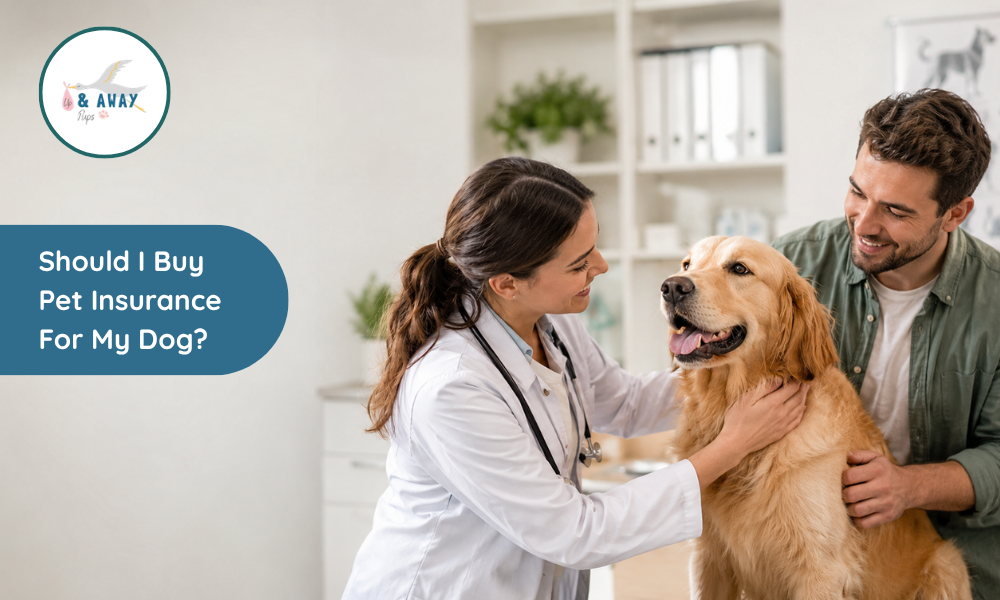
Learn how pet insurance works, what it typically covers, common exclusions, potential costs, and the key factors to consider before choosing a plan. From emergency veterinary care and breed-related risks to chronic conditions and unexpected expenses, this guide helps you understand your options and decide whether pet insurance is the right fit for your dog.
Quick Answer
Should I buy pet insurance for my dog? Yes, especially when your dog is healthy and young. Lower premiums and early coverage help you avoid pre-existing condition limits. This makes unexpected vet bills more budget-friendly and manageable each month.
Every dog owner is familiar with that stomach-drop feeling. Your dog is behaving a bit strangely. The vet uses a term such as “surgery” or “ultrasound.” Then, suddenly, you’re doing some quiet math instead of hearing the rest of the sentence. That moment is usually what gets people looking for answers about coverage more than any brochure or sales pitch.
The idea may sound straightforward, but the longer you think about it, the more questions it raises. Is the monthly price really worth it? Does it really pay out when it matters? Will it pay for your particular dog, at their particular age, with their particular quirks? This is a reasonable question to ask, and luckily it's entirely answerable once you know what you are actually looking at.
Consider this guide a friendly stroll through the topic of coverage, how it works, and the signs it can truly save you money down the line. No sales pitch and no scare tactics. Just a clear-eyed look at what a good pet insurance offer can and can’t do for a dog you already love completely.
Understanding How Pet Insurance Actually Works
Pet insurance works under a simple reimbursement model instead of the direct-billing approach many people expect from human health coverage. You pay the veterinarian first, file the paperwork, and then the insurance reimburses you a percentage of the bill after your deductible.
In a world where things happen instantaneously, it seems somewhat ‘old-fashioned,’ but it works:
- You pay the bill directly to the vet
- You make a claim after
- Your plan determines the reimbursements
- Each policy has its own deductibles and limits
- It is necessary to wait before coverage takes effect
Plans usually consist of three types. Some plans cover accident-only injuries. Illness and accident plans cover allergies, infections, and even cancer. Some insurance providers offer a wellness add-on for check-ups and vaccinations. Detecting issues such as the common causes for puppies always being hungry can be related to issues with growth instead of letting it linger.
The Real Reasons Pet Insurance Might Be Worth It
The financial and emotional feasibility of coverage depends on each of these elements for your unique dog.
🐾 Emergencies Rarely Ask Permission
When your dog swallows a sock, tears a ligament, or suddenly develops an allergy, the timing is inconvenient, to say the least. And when you get the emergency vet care, you can rack up a five-figure bill before you even leave that evening.
What emergency coverage usually entails:
- Emergency surgery can cost thousands
- You rarely get a heads-up about an ER visit
- Coverage eliminates the financial uncertainty
A puppy not eating suddenly is often the first sign a pet parent sees that something is wrong. Understanding why a puppy is not eating can mean a quicker trip to the vet.
🐾 Breed Risks Are Real And Costly
Some breeds are more likely to develop certain health problems, from hip dysplasia to heart disease and bloat, and knowing about them makes it much easier to plan your coverage accordingly.
Breeds that face higher costs are:
- Bigger breeds are more likely to develop joint issues
- Flat-faced breeds often require breathing aids
- The history of the breed is similar to any other physical fault
A Cocker Spaniel, for instance, can suffer from ear infections and eye issues which can sneakily evolve into a continual, long-term expense over the years.
🐾 Chronic Conditions Add Up Over Time
Conditions that typically don’t come with a single bill include diabetes, allergies, and arthritis. They’re more years of ongoing management. That regular expense is what insurance usually ends up earning back many times over.
Chronic conditions that are worth planning for:
- Continuous climate means repeat costs
- The cost of medication and assessments accumulates quickly
- Getting covered early avoids pre-existing exclusions later
The French Bulldog is likely to suffer respiratory and skin problems for life, which will certainly lead to ongoing vet treatment rather than maybe treatment.
🐾 Premiums Are Easier Than Surprise Bills
Most budgets are designed for a predictable monthly expense rather than a surprise four-figure emergency bill, and because costs are spread out over the year, a single bad week doesn’t throw everything out of whack.
Predictable costs serve a useful purpose:
- A costly surprise is better than a series of payments
- Your finances would be easier to plan
- During a crisis, only a few tough decisions
Many owners start comparing plans the same week they inquire about appetite, with vet visits commencing in early puppyhood.
🐾 Coverage Options Fit Different Budgets
Because there is a range of accident-only lame policies and bolt-on comprehensive plans, there’s something for most budgets, and you’ll often find a sweet spot that fits your dog and lifestyle when you compare a few tiers side by side.
The main coverage tiers to consider:
- Accident-only plans come with low premiums
- Accidents and illnesses plans are more holistic
- Routine visits are covered by wellness add-ons
Picking the correct tier right from the start helps in keeping pups healthy, lively, and happy through every stage of life – from the wobbly puppy months to a calmer adulthood.
Signs Pet Insurance Might Not Be The Right Fit Yet
Insurance isn't ideal for every dog or budget. Some situations require some deep thinking:
- The dog suffers from pre-existing conditions
- The monthly premium will be too much
- You already have an emergency fund in place
- Senior canines with restricted policy alternatives
- You haven’t yet compared several different providers
None of these would rule out coverage altogether. However, it definitely requires a second look before signing. A rapid comparison with a handful of breeders usually clarifies whether the figures work for your particular dog.
How To Choose The Right Pet Insurance Plan
Choosing a plan becomes much easier once you know exactly what to compare and aren't lost in marketing language.
Here’s what to check:
- Examine payment rates between providers
- Verify yearly and condition-wise coverage limits
- Check out exclusions for breed-specific conditions
- Verify waiting period before you enroll
- Inquire whether alternative therapies are covered
Paws, Peace Of Mind, And A Plan
Whether pet insurance should be in your life doesn't have a single right answer. However, we know that there is the right answer for your dog, your budget, and your peace of mind. It’s much better to decide with clear eyes rather than amidst the stress of a vet visit.
Your willingness to ask shows that you’re already the kind of dog owner who thinks of others, and not just themselves. Here is to many healthy years ahead, whether or not your pup is insured.
Frequently Asked Questions
Is pet insurance worth it for a healthy dog?
Frequently, affirmative. If you enroll your dog young and healthy, you will likely have lower premiums and fewer exclusions later on.
How much does pet insurance cost a month?
The cost of dog insurance plans depends on the breed, age, location, and other factors. The best way to know is to compare a few quotes for your dog.
May I utilize any veterinarian with pet insurance?
Unlike many human health plans, which require using in-network providers, most pet plans allow you to see any licensed veterinarian.