

How Much Sleep Do Puppies Really Need? Warning Signs to Watch
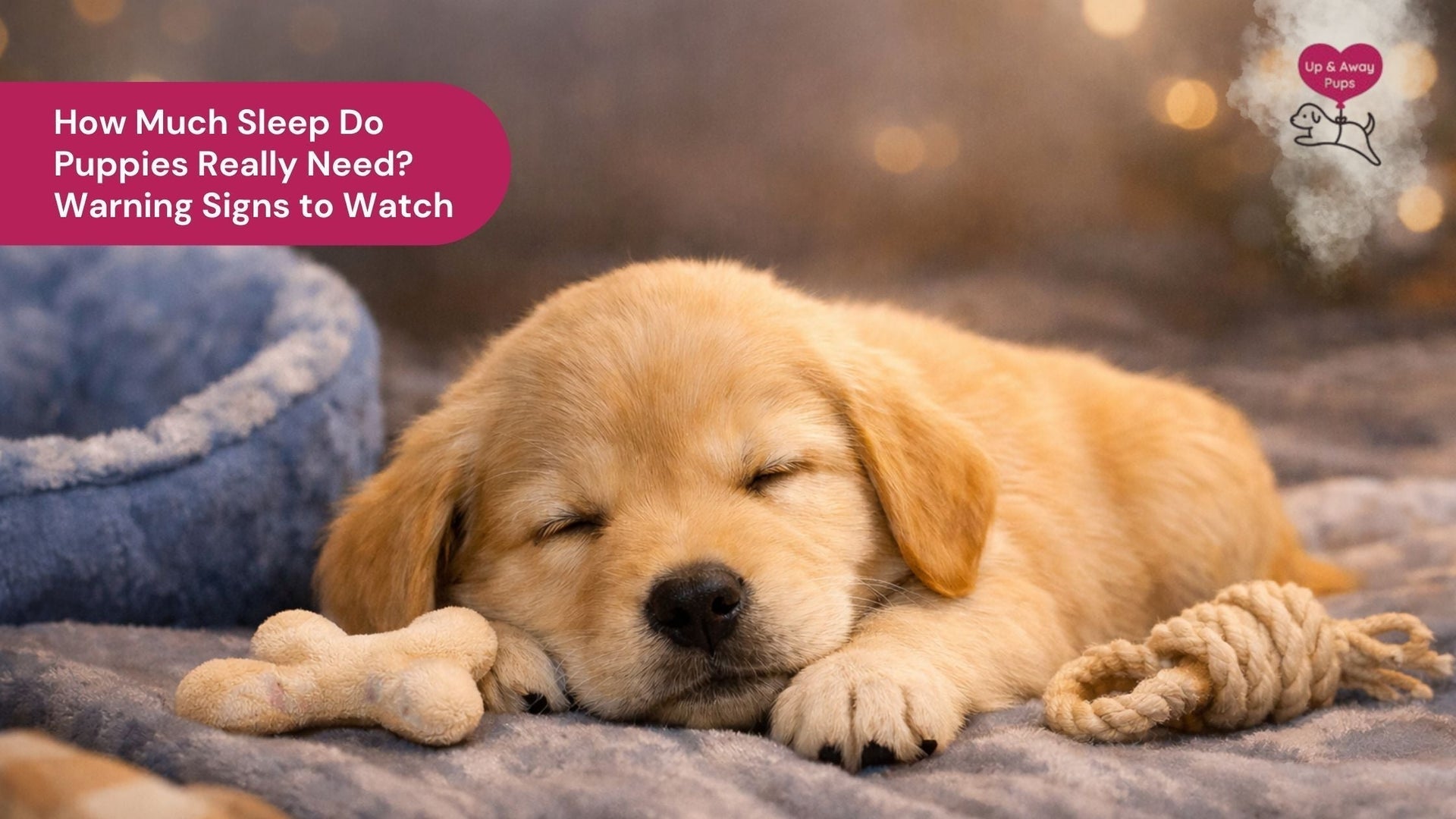
Puppies sleep a lot, but how much is normal? This guide explains puppy sleep needs by age, key warning signs to watch, and simple ways to support healthy sleep. From understanding daily rest cycles to spotting unusual behavior, you’ll learn how to keep your puppy happy, balanced, and thriving.
🐾 Table of Contents
This is a fun journey, and a great idea to bring a puppy home is something that has a learning curve, particularly in gaining insight into their daily habits. Sleep is one of the greatest concerns of new pet owners. Puppies appear to take a nap all day, and at times, it is hard to tell whether this is a normal practice or something to be taken care of.
Sleep is an important factor in the initial growth of a puppy. When they rest, their bodies enlarge, their brains process information, and their immune systems strengthen. Lack of sleep can make puppies uncooperative, difficult to teach, and even more susceptible to sickness. The amount of sleep each stage needs can help you sustain their well-being.
Nevertheless, taking care of the small and delicate Teacup Pomeranian and understanding their sleeping needs will help keep them healthy, balanced, and flourishing.
Understanding Puppy Sleep Needs Before Spotting Problems
Before we delve into identifying the key warning signs, it is important to know what mainly determines normal sleep behavior in pups. It forms a strong baseline that helps you recognize whenever something appears out of the norm.
How Many Hours Do Puppies Sleep Daily?
Puppies can sleep 18 to 20 hours a day. The reason why this is the case is that in the early months, extensive physical and mental growth is occurring.
Sleep Needs by Age
The sleeping cycle of a puppy changes with age:
- 0–8 weeks: Most of the day is dominated by sleep, interspersed with feeding.
- 8–12 weeks: Around 18–20 hours of sleep daily, with short bursts of activity.
- 3–6 months: Sleep decreases to approximately 16-18 hours.
-
6 months and beyond: Slowly shifts to adult sleep routines of 12-14 hours.
Why Puppies Need So Much Sleep
Some of the key developmental processes aided by sleep include:
- Brain activity and consolidation of memory
- Bone development and muscular development
- Hormonal regulation
-
Immune system strengthening
These processes may be impaired without proper sleep, which may lead to health problems over time.
Active and Rest Cycles
Puppies normally have a routine of activity and rest. After eating or playing, they quickly become tired and fall asleep. Breaking this cycle or excessively stimulating them may result in behavior problems like hyperactivity or irritability.
Breed Differences in Sleep Patterns
Variations in sleep patterns can be slight between different breeds. Smaller breeds are typically easier to tire and also have naps frequently. Alternatively, breeds such as the French Bulldog might have a few more play times with them, though they still need a lot of rest during the day.
Daytime Naps vs. Night Sleep
Compared to adult dogs, puppies do not sleep as long at night. Instead, they have numerous daytime naps and can wake up a few times at night, particularly in the first weeks.
The Role of Environment
The puppy's environment greatly determines the quality of their sleep. Too much noise, too many disturbances, or an uncomfortable place to sleep may interfere with their sleep and cause abnormal sleep habits.
Warning Signs to Watch in Your Puppy’s Sleep
After you know normal sleep behavior, you can easily try to detect possible problems. Although changes are understandable periodically, a consistent or radical trend can be a symptom of underlying issues.
Sleeping Excessively or Showing Lethargy
Although it is natural that puppies require a lot of sleep, there is a distinction between normal sleep and abnormal laziness. When you keep your puppy inactive and hardly active in enclosed areas, then it may be a sign of more than usual fatigue.
When this happens, the puppy might not react aggressively to food, play, and communication. The constant state of low energy and sleeping excessively may be a sign of underlying health conditions that need immediate care and a good check-up by the veterinarian.
Difficulty Waking Up
A healthy puppy is expected to wake up fairly easily, particularly when awakened by such triggers as feeding time or by well-known sounds. When your puppy appears to be particularly resistant to waking up, it may indicate unusual sleeping behaviors or other underlying health conditions.
Such behavior can indicate either low sugar, infection, or overall weakness in the body. The speed and activity of wakefulness of your puppy can give you some valuable hints concerning the overall state of being and the necessity to make any interventions.
Restlessness and Poor Sleep Quality
Normal sleep is usually after activity with a deep and restful slumber, and repeated movement or failure to settle down is deemed abnormal. It is a sign of restlessness during sleep that your puppy is uneasy, or it cannot rest adequately.
Regular waking, position changes, or speaking aloud can be attributed to stomach trouble, anxiety, or environmental disturbances. It is possible to treat the puppy so that it feels safe and secure by identifying and treating the cause of the problem and thereby improving the quality of sleep.
Sudden Changes in Sleep Patterns
Uniformity is a significant sign of the health of a puppy, and any change in the sleeping pattern should be noted closely. A pup who suddenly sleeps much more or much less than usual is likely to be stressed or could be having health problems.
These alterations may be due to environmental adaptation, food problems, or the development of illness. Monitoring the behavior of your puppy will enable you to realize such deviations at a tender age and intervene in those cases that require it.
Distressed Sounds During Sleep
Puppies also exhibiting shivering or uttering little noises in their dreams is normal because their brains are still active when they sleep. But whining can indicate that something is a source of discomfort or unpleasantness. Such a habit usually prompts owners to wonder why puppies whine at night, which may be due to fear, pain, or something out of the ordinary.
When these sounds are common or seem severe, it could be the result of pain, anxiety, or sleep environment disorders. These behaviors may require additional consideration or may be harmless in nature, and the patterns observed may help to conclude the direction to take.
Is Your Puppy Crying at Night? 🐾
Nighttime whining in the crate can be stressful—but it’s completely manageable. Learn why your puppy cries and how to gently stop it with simple, effective training techniques.
Read the Complete GuideLack of Energy When Awake
Another characteristic of a well-rested puppy is its playfulness, curiosity, and interest in interacting with the surrounding environment. When your puppy sleeps yet seems abnormally fatigued, this can be an indication that the rest they are getting is not providing any rest.
This fatigability may be due to either bad sleep quality, nutritional deficiencies, or early symptoms of illness. It is also important to observe the behavior of your puppy when not napping, as it is with the time taken to sleep.
Reduced Appetite Alongside Sleep Changes
Alterations of the sleep patterns are even more alarming when they are accompanied by a significant loss of appetite. A puppy with a lot of sleep and little to eat can be either in pain or have underlying health issues.
Loss of appetite and a change in sleep can show signs and symptoms of digestive problems, an infection, or a stressor. A dog that sleeps too much can have a puppy not eating problem which is associated with uncomfortable or health conditions. Timely detection of these mixed symptoms will ensure that they are more easily identified and prevent more severe complications.
How to Support Healthy Sleep in Puppies
Providing the right kind of rest to the puppy entails having well-organized and comfortable surroundings that are encouraging of healthy sleeping patterns.
Establish a Consistent Routine
Regular feeding, playing, and sleep regulate the internal clock of your puppy and, in the long term, have a beneficial effect on sleep quality.
Provide a Comfortable Sleeping Space
Your puppy can sleep without stopping as it has a quiet, safe, and cozy place to sleep. Ensuring consistent feeding, play, and sleep schedules are necessary in shaping a day for a happy and healthy pup, and assists in keeping your puppy on the right internal clock.
Avoid Overstimulation
Overactivity, which is accompanied by a lack of rest, may result in overtiredness. Balanced play and subsequent rest time are necessary to get into a healthy rhythm.
Encourage Balanced Activity
Frequent, moderate exercise serves the purpose that your puppy spends the right amount of energy and will be able to relax and sleep afterward.
Gradual Night Training
Puppies can initially wake up at night, although with patience and consistency, they can be taught to sleep longer hours. Kind training and encouragement are useful to create a more comfortable night routine.
Final Thoughts
Compared to adult dogs, puppies need a lot more sleep, and it is natural and necessary for them. With awareness of their sleeping habits, and with regard to the early symptoms, you will be able to guarantee a healthy and well-adjusted puppy.
Attentive monitoring, constant routine, and a conducive atmosphere would go a long way in developing good sleep habits. Whenever you spot any abnormal or persistent changes, your best bet is to take your puppy to the veterinarian to protect their health.