

Common Dog Coat Problems Every Owner Should Know
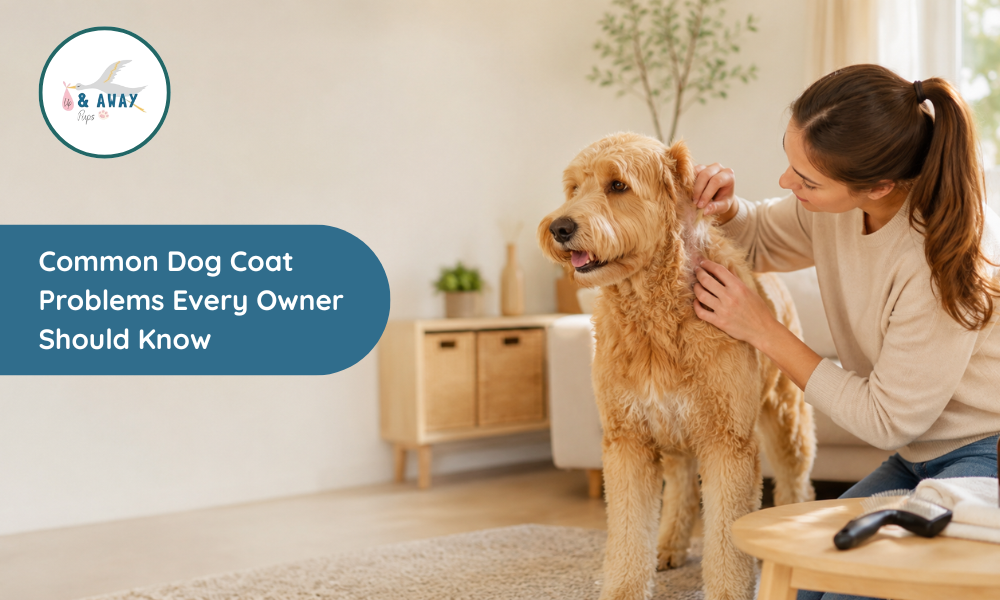
Keep your dog's coat healthy by learning to recognize common coat problems like dry skin, shedding, hot spots, tangles, bald patches, and greasy fur. Discover their causes, effective home care tips, and when it's time to visit your veterinarian.
The coat of your dog narrates a story each day; it is soft and shiny on lovely days, tangled or flat on others, and each one is worth noticing. One of the simplest ways to spot problems early on and prevent a simple trim from becoming an emergency trip to the vet is to learn to read the story.
This article explains every coat concern dog owners are likely to encounter, from flaking skin to sudden bald patches, in simple language, with real fixes attached. Since each type of dog coat acts a bit differently in the wind, sun, and bath water, a routine which works wonders for one pup may only need a small tweak for another. Choose a brush, sit comfortably, and let’s look at what this fur is telling you.
What Actually Shapes a Healthy Coat
Before we get into specifics, it’s helpful to know what a coat actually runs on. Many factors an owner can control determine whether fur is soft and shiny or dull and difficult to manage. These are the main factors that affect a dog’s coat:
- Daily intake of nutrition and fluids
- Hereditary factors and breed characteristics
- Frequency and the way you groom them
- The humidity and weather inside
- Stress and activity levels overall
Throughout the sections that follow, be sure to keep them in mind. Take note that almost every coat problem can be traced back to one or two of them working against the coat rather than for it. Those small, consistent grooming tips for dog owners are likely to be more effective than an expensive fix that is applied only after something already looks wrong.
Coat Troubles Worth Knowing By Name
These are the seven coat concerns that are likely to be most common, what causes each one, and the easiest way to turn things around.
Dry, Flaky Skin
When you notice little white flakes drifting through the coat like tiny snowflakes, it usually indicates dandruff. It mostly shows up during dry weather or after using a strong shampoo. Since there are different dog coat types, it’s worth a second glance, with redness and odor tagging along.
Solutions include:
- Use shampoo with oatmeal
- Include oils rich in omega-3
- Use a humidifier at home
- Book an appointment with a veterinarian for a skin check
Most cases of dandruff will clear up within a matter of weeks with moisture added back to the everyday regimen.
Excessive Shedding
A little shedding is a normal part of owning a dog, but clumps, brittle tufts, or noticeably thinner patches are not. Breeds such as the Mini Goldendoodle can conceal problematic loose fur in their curls until they suddenly let go all at once.
Controlling it:
- Brush three to four times weekly
- Give a protein-rich diet
- Use a deshedding rake monthly
- Notice the seasonal patterns
If excessive shedding occurs outside of the usual spring and fall shedding periods, a hormone panel at the vet can help rule out other causes.
Matting and Tangles
Matting happens quickly behind the ears, under the collar, and around the legs. The Teacup Toy Poodle, like other curly-coated breeds, tangles particularly quickly because its fur curls back onto itself with every single step.
Keeping it under control:
- Make sure to brush your pet before every bath
- Try a slicker on undercoats
- Use a clarifying detangling spray
- Book a haircut if necessary
Taking a few extra minutes to brush the coat out one day a week will do far less damage than an emergency shave-down once the mats have tightened against the skin.
Hot Spots
When a hot spot appears, it spreads within a few hours, usually because the dog cannot stop licking or scratching the same area. Mold can easily form in warm weather, humidity, and damp fur caused by swimming.
What to do:
- Cut hair around the area
- Clean with saline solution gently
- Use a cone to prevent licking
- Be sure to completely dry after each bath
Contact your veterinarian if a hot spot is still growing after a day of treatment, as some may need a short course of medication.
Dull or Brittle Coat
A healthy coat shines brightly for all to see from across the room. When the shine fades and the fur feels coarse rather than soft, it usually indicates that the current routine is missing something the coat requires.
How to restore luster:
- Include fish oil supplements
- Ensure fresh water is always available
- Spread out bath timings
- Use a brush to disperse the natural oils
To make the change easier to notice, keep in mind what the coat was like a month ago. It’s subtle, but it happens.
Bald Patches
Bald patches can be alarming but tend not to be a mystery when you know where to look. The location counts too, as an elbow patch often means a sore, while a circular scaly spot may indicate a fungus worth diagnosing.
What to do next:
- Look for a reddish tint or skin flaking.
- Observe whether the spot is enlarging
- Add a fluffy bed for pressure points
- Get a diagnosis from a vet
If there is one small, round patch, it is often nothing to worry about. Anything that is spreading and in several spots. However, deserves a proper check from a professional.
Greasy or Oily Coat
An oily coat that remains slick immediately after a bath indicates overactive skin glands, a greasy diet, or a rinse-out shampoo that isn’t fully rinsed out. It may be uncomfortable for the dog, but it is easily fixable.
Effective ways to treat oily coat:
- Always rinse the shampoo well
- Wash your face with a clarifying formula
- Take another look at your fat intake
- Frequently clean skin wrinkles
Typically, if the greasiness comes with an odor or thickened skin, you should rule out a yeast or bacterial overgrowth with the vet.
When a Coat Problem Needs a Vet, Not Just a Brush
Most hair coat problems can respond to some extra care at home, but a few signs are a warning to call in a professional instead of waiting it out:
- Symptoms persisting for over fourteen days
- Areas that ooze or bleed
- Rapidly losing a lot of hair
- When touched normally, pain appears
- Fever with any skin alteration
If you are in doubt, then a short visit to the vet is always cheaper and kinder than waiting to see if anything clears up.
The Bottom Line on Coat Care
You don’t need to panic about any of these seven coat concerns, and most respond beautifully to small daily habits. Brushing your dog regularly, ensuring the diet provides real nutrition your dog can benefit from, and spending a few minutes actually looking at your dog’s skin will catch almost everything on this list long before it gets serious
The best products are not always the ones that ensure dogs have the healthiest coats. These are the dogs whose owners were attentive and involved early and often. Next time you are scratching behind the ears, take a second and actually look. Your dog’s fur is one of the simplest, most honest ways it tells you how it is doing.
Frequently Asked Questions
How many times should I brush my dog?
Two to three sessions a week works for most dogs. Double-coated breeds often require daily grooming during the seasonal blow.
Can feeding truly enhance the appearance of a coat?
Definitely, more than what most owners expect. Protein and omega fatty acids nourish the coat directly, and a change is often noticeable within four to six weeks.
When is a coat problem urgent?
Whatever is spreading fast, oozing, or with fierce scratching should be seen by a vet that same week, not a wait-and-see approach.