

Fun Winter Activities to Keep Your Dog Happy and Active
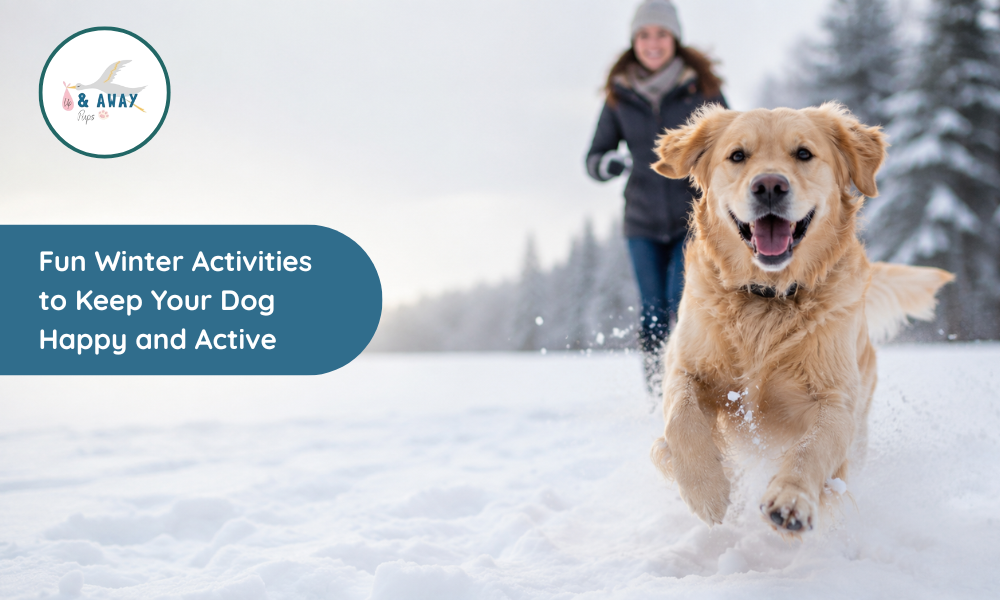
Turn chilly days into exciting adventures for your pup with fun winter activities that encourage exercise, play, and mental stimulation. Discover outdoor games, cozy indoor activities, enrichment ideas, and simple cold-weather safety tips to keep your dog happy and active all season long.
Do you find your dog standing right at a frosty window, breath that fogs up the glass, watching the first snowflake fall? It’s the type of focus that most pet owners reserve for a plot twist in their favorite show. Such excitement never disappears only because the temperature has dropped, and neither does the energy behind it.
A dog that’s stuck indoors for months gets understimulated and bored. Often it finds its own, less convenient ways to burn off that energy, typically somewhere scratching on your furniture. The best news is that winter opens up an entirely different set of activities that can keep a pup happy and active as any sunny afternoon at a park would do.
Breeds play a much smaller role here than owners realize. For instance, small dog breeds such as French Bulldog puppies, despite their short coats or shorter walks, can light up at the first sight of snow just as much as a thick-coated husky would do. This proves that winter excitement has really nothing to do with size or build.
Cold-Weather Facts Every Dog Owner Should Know
Double-Coated Breeds
Double-coated breeds regulate body heat way better than most people assume.
Paw Pad Protection
Paw pads can still get frostbite on icy-cold pavement.
Cold-Weather Play
Shorter bursts of cold-weather play can burn a lot more energy than expected.
Wet Fur Loses Insulation
Wet fur loses insulation faster, even on thick-coated breeds.
Winter Hydration Still Matters
Dogs can become dehydrated during winter just as easily as they can in summer.
Keeping Tails Wagging All Winter Long: Fun Ways to Keep Your Dog Happy and Active
Winter activities never mean fighting the weather. It means working with it, and the right blend of indoor and outdoor activities can keep your pup moving irrespective of what the forecast says.
🐾 Snow Zoomies in the Backyard
Fresh snow often turns even the most laid-back dogs into puppies again. A couple of inches on the ground is often all it can take to trigger a full lap around the yard, ears back and tail going.
What Makes Snow Play So Effective
- Cold air adds a natural boost to a dog’s energy
- Resistance to snow builds muscles with every step
- Novel textures continue sniffing sessions longer
- Shorter bursts that prevent overheating under thicker fur
Keep It Safe
Keep a closer watch on their paw pads during snow play, since ice balls between the toes can turn any fun afternoon uncomfortable sooner. Even small dog breeds, such as a Teacup Teddy Bear puppy, can feel this sooner. They often need a coat and much shorter activity sessions to enjoy snow safely.
🐾 Frozen Treat Making
Turning treat-making into a slow project offers your pup something to look forward to and something to work for once it’s prepared. A bit of effort in the kitchen can buy a lot of happy chewing time later.
Easy Frozen Treats to Try
- Frozen broth and vegetable cubes
- Peanut butter and banana pupsicles
- Stuffed frozen kongs with kibble
- Yogurt drops frozen on parchment paper
A Cold-Weather Win
Such a treat doubles up as a slow-feeder that stretches a couple minutes of prep into a much longer stretch of happy licking.
🐾 Indoor Scent Games for Snowed-In Days
There would be some days when the weather simply wins. That’s exactly when scent games earn their keep. A dog’s nose never cares whether it’s snowing outside or it just wants a job to do.
Scent Games Worth Setting Up
- Hidden treats under overturned cups
- A simple snuffle mat treasure hunt
- Treats scattered through a towel pile
- A find-it game across different rooms
Why It Wears Them Out
Sniffing games are mentally tiring and hardly match running. This makes your pup calm and satisfied by the end. Creating this type of game into the evening further reinforces structure and a steady daily routine to keep your pup healthy. This often initiates with exactly this type of low-key wind-down.
🐾 Bundled-Up Neighborhood Walks
Shorter days don’t mean shorter walks. Things turn smarter here. A well-timed midday walk can avoid even the coldest hours, giving your pup the fresh air and change of scenery it needs.
Making Cold Walks More Comfortable
- A properly fitted dog coat
- Paw balm before stepping outside
- Reflective gear for early sunsets
- Shorter, more frequent walk breaks
A Small Adjustment
These don’t need any special gear beyond the basic ones. All that’s needed is a bit more preparation before heading out the door. Such short walks double as easy socializing practice with the same type of exposure pups will pick up during the first visit at dog parks. It all scales down to colder weather and fewer strangers.
🐾 Tug, Fetch, and Hallway Games Indoors
Not all games will need an open space to become effective. A longer hallway or an empty living room is a lot of space for a pup to burn their energy without having to step outside.
Indoor Games That Actually Tire Dogs Out
- Hallway fetch with a soft toy
- Tug-of-war with clear rules
- Stair climbs for extra cardio
- Hide-and-seek with favorite toys
Small Space, Real Exercise
Only a ten-minute indoor session leaves your dog as happy as a longer walk outdoors will.
🐾 Puzzle Toys for Long Winter Evenings
Winter evenings are longer compared to summer ones. Puzzle toys fill that extra time with something more productive. A dog who works through a puzzle is a dog that’s not chewing on furniture instead.
Puzzle Options Worth Trying
- Treat-dispensing rolling balls
- Sliding puzzle boards with compartments
- Muffin tin treat challenges
- Snuffle balls stuffed with kibble
Built-In Mental Exercise
Ten focused minutes with a puzzle toy works well for a more restless dog than an extra lap around the block.
🐾 Winter Hiking on Clear, Cold Days
Not every winter day is a snowstorm, and the clear, crisp ones are often the best for a proper hike. Cold air keeps most dogs cool during exertion, letting them cover more ground than they would in summer heat.
Getting Hike-Ready for Winter
- Trail-friendly boots for icy terrain
- Layered gear that's easy to remove
- Extra water even in cold weather
- A shorter, familiar trail to start
A Change of Scenery
A quiet winter trail that’s free of summer crowds would often turn into one of the most memorable outings of the entire season. Preparing for such seasonal changes is not just an extension of consistent puppy care in summer and winter. So, adjusting gear and pace instead of skipping the activity altogether is what matters the most.
Playing It Safe: How to Avoid Common Winter Injuries
Although cold weather is fun, it comes with its own set of risks, and a bit of awareness goes a long way toward keeping playtime injury-free.
Here’s what to watch for:
- Inspect paw pads for ice balls, cracks, or salt burns after every walk
- Watch for slipping on ice during zoomies or fetch
- Limit high-intensity play across extreme wind chill
- Rinse paws after walks on salted or treated pavement
- Watch for lifting paws, shivering, or slowing down as early warning signs
Mild hypothermia in dogs often surfaces once body temperature drops below 98°F, as reported by the American Animal Hospital Association (AAHA). Detecting the early warning signs before they escalate is often the main difference between a great winter afternoon and an unplanned trip to the vet.
Which Winter Activity Fits Your Dog's Mood?
Some dogs want to run, some want to sniff, and some just want a puzzle to chew on.
- High-energy, pacing by the door: snow zoomies or a proper hike
- Curled up but clearly bored: a scent game or a puzzle toy
- Shivering at the first sign of cold: an indoor hallway game and a cozy frozen treat
Matching the activity to the mood in front of you is usually more effective than sticking to the same routine every single day.
The Bigger Picture
Winter does not have to mean months of low energy and restless pacing around the house. A steady rotation of snow play, frozen treats, scent games, indoor puzzles, and careful cold-weather walks keeps a dog's tail wagging through even the harshest stretch of the year. With a little planning around safety and comfort, the coldest months can end up being just as active, playful, and memorable as any other season on the calendar.
Quick Questions About Winter Dog Activities
How cold is too cold for a walk?
Most dogs handle short walks down to freezing temperatures fine, but wind chill, wet fur, and thin coats all lower that threshold quickly.
Do small dogs need more winter protection than large dogs?
Generally yes, since smaller dogs lose body heat faster and sit closer to cold ground and snow.
Can indoor games really replace a walk?
Not entirely, but a mix of puzzle toys, scent games, and hallway play can cover a good portion of a dog's exercise needs on the roughest weather days.