

Is Your Puppy Not Eating? Causes Every Owner Should Know
🐾 Table of Contents
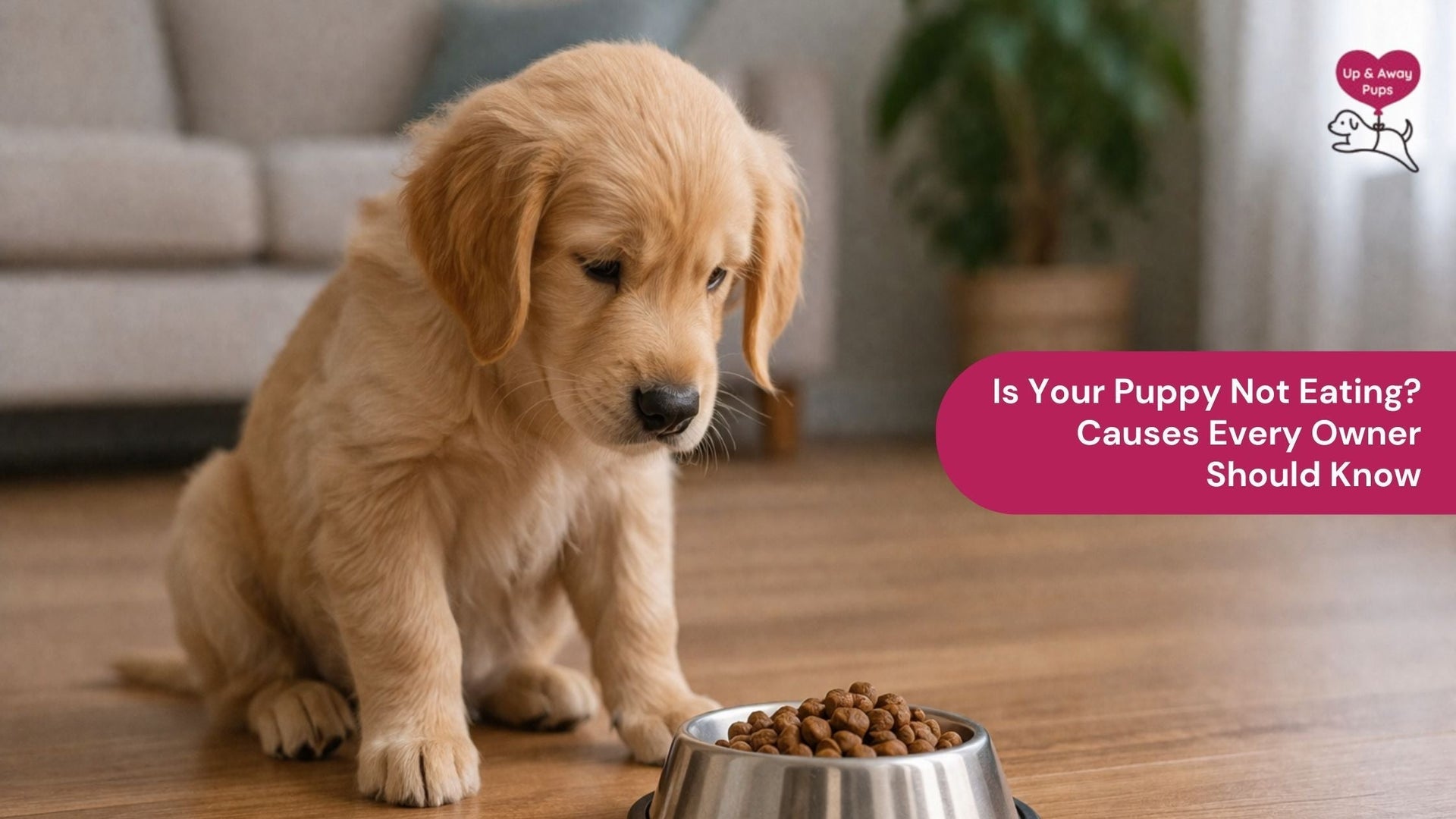
It can be disorienting and even stressful when a puppy refuses to eat overnight due to a sudden change he or she can experience. In particular, first-time pet owners. Change of appetite is not an uncommon occurrence, and it is always worth paying attention to as it may be an indication of something being amiss or an early sign of disease.
This is even further relevant to small breeds of dogs, such as a Teacup Bichpoo, where a low body weight makes even a brief absence of food influence the level of energy in a short time. Knowledge of the underlying source will make you react in the right way without panicking.
The health, the environment, the routine, and emotional comfort influence the eating habits of a puppy. It is only after knowing these triggers that you will find it much easier to tell what your puppy is trying to say.
Common Reasons Puppies Stop Eating
The vast majority of the appetite drops in puppies are not medical crises and have to do with normal changes or habits. Being aware of these enables you to be observant but not panicking needlessly.
Stress or A New Environment
Most puppies turn away food when they first come home or when there is a shift in the environment. Hunger can be calmly suppressed by the presence of a new house, new smells, and being separated from littermates. This transition time normally takes a few days and is enhanced as the puppy gains trust and comfort in the area.
There is a lot of consistency in this. Anxiety is minimized by a peaceful feeding zone, soft handling, and predictability of feeding. Establishing a routine to make your puppy happy and healthy will make your puppy feel secure and resume his natural eating habits.
Teething Discomfort
A key stage, which causes irritation and soreness of the gums, is teething, in which puppies find it painful to chew. They might skip hard kibble since it, though hungry, will even make their mouths hurt.
Warm water can be used to soften food or temporarily replace harder textures.
Food Changes
A puppy will become confused with a change in food as fast as possible, as this may mix up the digestive and sense of taste. Even a diet of high quality might not be accepted in case its implementation is abrupt and without transition.
Gradual mixing of old and new food over several days is key. You may also heat your food a bit to add aroma to it. This also requires proper hydration, and providing safe and healthy drinks to growing puppies, such as diluted bone broth or fresh clean water, may promote appetite support.
Overfeeding Treats
An excess of snacks or treats during the day may decrease the natural appetite of a puppy. Without setting limits, puppies soon learn to accept tasty incentives as better alternatives to well-balanced meals.
Avoiding snacks and keeping to their meal schedule will reset their energy. Most puppies tend to go back to regular eating patterns on their own without any opposition, once normalcy is restored.
Temperature and Activity Level
In puppies, low-energy days or hot weather will temporarily reduce appetite. Dogs, just like human beings, will have a tendency to avoid overheating or being inactive by eating less.
The chill resting places and promoting light play can aid in reviving appetite once more. When they get back to normal activity level, their appetite usually recovers without the need for intervention.
Medical Causes You Should Never Ignore
Although most metabolic alterations posed by an individual change in appetite are innocuous, others have indications of underlying health problems that need urgent consideration.
Gastroenteritis
Inflammatory activities can result in loss of appetite, suddenly accompanied by vomiting, diarrhea, and stomach pain. Puppies with this condition may be weak and refuse to feed when they are nauseated and have gut irritation.
During this stage, hydration can be very demanding as loss of fluid can increase rapidly. To avoid complications and return the digestive system to its safe operation, it is often necessary to resort to veterinary care. Slow changes in diet are noteworthy, and in more extreme circumstances, the vets could even prescribe specialized diets like a low-fat diet for dogs with gallbladder disease, in case of suspected digestive sensitivity or intolerance to fats.
Support Your Dog’s Digestive Health 🐾
A proper low-fat diet can make a big difference for dogs with gallbladder issues. Learn what to feed, what to avoid, and how to keep your pup comfortable, healthy, and thriving.
View Diet GuideParasitic Infections
They have internal parasites that also disrupt the absorption of nutrients and may keep the puppies in a continued state of sickness. Symptoms are frequent bloating, uneven stool quality, and lack of appetite.
Treatment typically consists of a deworming drug, administered by a veterinarian. Restoring gut health by feeding properly and enjoying after-treatment is also necessary for recovery.
Viral Infections (such as parvovirus)
Severe acute viral diseases lead to acute and sudden loss of appetite that may be followed by vomiting, diarrhea, and severe fatigue. These diseases develop rapidly and may be life-threatening unless treated immediately.
Veterinary treatment is important. Timeliness of treatment contributes to high chances of survival and stabilization of the puppy before it gets too dehydrated.
Pain or Injury
The feeling of physical pain, caused either by some inner problem or by a bodily trauma, usually results in a lack of appetite. Puppies might not want to eat due to an inability to move or chew uncomfortably.
Lots of attention is needed because puppies do not show pain frequently. A veterinary check-up can serve to determine the cause and provide adequate pain management and recovery care.
Intestinal Blockage
Ingesting foreign bodies may cause life-threatening obstructions along the digestive system. The outcome of this condition is that it usually leads to an abrupt absence of appetite, vomiting, and stomach pain.
This is a medical emergency requiring immediate diagnosis. Possible serious complications can result because of delayed treatment, thus the necessity to seek veterinary medical care immediately.
Respiratory Illnesses
Indirectly, respiratory infections may decrease appetite by making it hard to breathe and cause general tiredness. Pups might just lose their appetite due to feeling sick and elevated.
They can be treated with supportive care and veterinary treatment to help clear the infection. As soon as the breathing process has been improved, food is also likely to resume a normal level slowly as the energy stores get restored.
Conclusion
All puppies use behavior to communicate, and a change in diet is one of the first signs that something is wrong. Being observant, responsive, and consistent will contribute to trust and wellbeing building over the long term. Whenever one is unsure, it is always best to be advised in a timely manner before minor problems evolve into more significant ones. A composed attitude now will make a healthier, happier friend in the future.