

What Puppies Really Learn During Their First Dog Park Visit
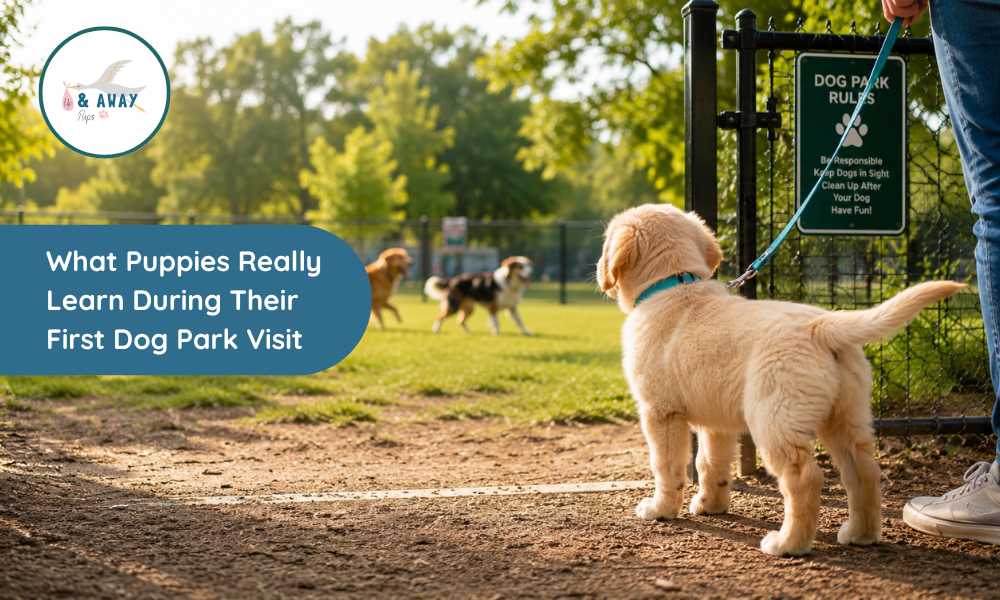
A puppy's first dog park visit is about more than playtime. Discover the valuable lessons puppies learn through socialization, confidence building, communication, and new experiences that help shape well-rounded adult dogs.
Taking a puppy to the dog park for the first time is very exciting. Many owners see this as an opportunity to train and meet their dogs, but the experience offers much more than playing. First visits to new places introduce dogs to sights, sounds, and smells. Most importantly, they will have positive interactions that help develop their social skills.
Every puppy reacts differently to different experiences. A more confident puppy will join in the fun, while a more timid one will first observe. A Miniature Goldendoodle puppy is generally friendly and curious. Going to dog parks will help him develop social confidence, provided you supervise.
When owners know what puppies learn, they can create positive experiences to help develop long-term behaviors.
Learning How to Communicate With Other Dogs
Dogs communicate much more with their body language than with their sound. Bringing your puppy to the dog park for the first time allows you and your furry friend to experience and practice the social cues essential for healthy dog behavior.
Puppies start learning through:
- Suitable invites for play
- Respecting one's personal space
- Interpreting tail posture
- Interpreting playful gestures
- Identifying peaceful hints
A well-socialized older dog can teach your young dog. Playing with other puppies helps establish boundaries and socialize.
Building Confidence Around New Experiences
Dog parks allow puppies to experience several new situations. Every experience helps to extend their comfort zone and teaches how to be in the world.
Experiences include:
- Various kinds of dogs
- Individuals of different ages
- Groups for running and playing
- Fresh fragrances and noises
- Spaces not occupied by buildings or other obstacles
Exposure during early development can lower fearfulness later in life. Experiences like these aren’t just fun; they build confidence that transfers to walks, classes, and more.
Understanding Play Etiquette
Dogs are naturally full of energy, but they don’t know how to play. In a dog park, dogs learn to behave properly.
Play teaches us many valuable lessons:
- Playing games
- Steering clear of rough play
- Replying to replies
- Boundaries of other dogs
- Keeping excitement in check
Pet owners who supervise closely can promote good behavior and prevent poor behavior from becoming a habit.
Developing Better Social Skills
Socialization is a key part of a puppy’s development. Engaging with different dogs makes you flexible and adaptable.
How Puppies Learn to:
- Greet unknown dogs kindly
- Participate in group play
- Answer to various characteristics
- Adapt to changing social situations
It is essential to have good social skills so that your future walks will be more fun and less stressful.
Practicing Focus Around Distractions
Dog parks are full of distractions. A puppy’s attention is caught by running dogs, toys, people, and smells.
A first visit offers opportunities for practice:
- Reacting to recall cues
- Following up with owners
- Implementing simple instructions
- Keeping an eye on your surroundings
Acclimatizing a dog to training in challenging surroundings instills more obedience. Furthermore, it fosters successful responses at venues other than the home.
Learning Healthy Physical Boundaries
A lot of puppies think every dog wants to play. Visiting a dog park teaches them quickly that dogs have different preferences and comfort levels.
Significant lessons regarding boundaries include:
- Identifying symptoms of discomfort
- Regard for requests
- Calm approach
- Relocating when it's required
Having manners helps to ensure safe interactions throughout a dog’s life. So, setting a proper daily routine for a happy and healthy pup can help ensure they thrive.
Discovering New Forms of Exercise
Activities at a dog park involve physical exertion because it is much different from doing things in your own backyard or walking in the neighborhood. The puppies undergo various types of movements that test their balance and endurance.
There are usually activities such as:
- Pursuit Games
- Soft grappling
- Terrain exploration
- Jogging in wide areas
- Overcoming hurdles
Adequate exercise encourages growth and helps maintain your dog’s happiness and health at every development stage.
Strengthening Emotional Resilience
Things do not always turn out as expected. Either way, not all dogs are interested in the pup; some may just want to play.
These experiences teach puppies lessons:
- Patience
- Adjustment
- Control of emotions
- Bouncing back from small failures
When children have positive social experiences, it equips them with the resilience to be more confident in different situations.
Improving Independence
Puppies often depend on their owners for reassurance. Dog parks promote exploration while still maintaining a safe connection to the human.
As a dog develops independence gradually, it can enhance a dog’s overall confidence and help reduce separation anxiety when combined with proper training and routines.
Learning Through Observation
Dogs are intelligent animals. Puppies frequently learn simply by watching other dogs.
Glean knowledge through watching:
- Proper salutations
- Composed demeanor
- Play protocols
- Answers to commands
- Demographical norms
Group environments provide a great opportunity for learning, as a lot of learning happens naturally.
Supporting Growth With Proper Nutrition
Gaining knowledge and moving require energy. Puppies with a busy life need complete and balanced nutrition to support their development and recovery.
Puppy food provides nutrients that enable a puppy to grow strong with healthy bones and plenty of energy. A well-nourished puppy can enjoy the new experiences and learn better.
Conclusion
Each time you visit the dog park, there is something new you can learn. These experiences develop several qualities, including communication, confidence, boundaries, resilience, and focus. A puppy's first visit to the dog park can become an important step towards becoming a well-adjusted adult dog with the right guidance and patience.
Frequently Asked Questions
At what age should a puppy attend a dog park for the first time?
Most veterinarians will recommend waiting until you’ve had vaccinations and developed social confidence.
How long should a puppy's first visit to a dog park last?
Taking short visits helps with overstimulation and spending time in new environments.
Are dog parks good for shy puppies?
Firmly managed visits foster confidence building through looking, playing, and socializing.