

Why Does My Teacup Chihuahua Puppy Bite So Much
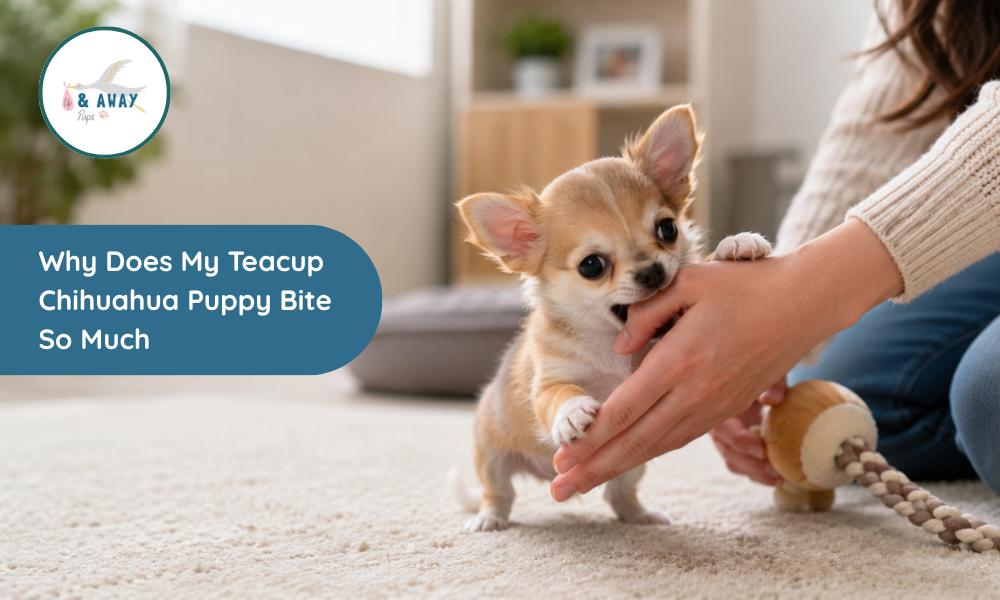
Wondering why your Teacup Chihuahua puppy keeps biting, nipping, or chewing? Discover the common reasons behind puppy biting, including teething, curiosity, overstimulation, fear, and testing boundaries. Learn practical, gentle strategies to teach bite inhibition, encourage appropriate chewing, set clear limits, and help your puppy develop calmer, more confident behavior as they grow.
Although the needle-sharp teeth may appear rather comical when wrapped around a fingertip, the habit itself is rarely cute for long. An experiment with a four-pound puppy to test its bite may seem harmless today, but once it has been around for months, it will turn from fine to a real problem. There are quirks to a nip at this size, and understanding what’s really going on is the quickest route to a gentler, calmer dog.
Almost all major biting in young puppies has a small handful of predictable causes. Teacup Chihuahua puppies show all of those more clearly than bigger breeds ever do. This is just because any reaction will read bigger on such a small frame.
Quick Facts About Teacup Chihuahua Puppy Biting
Puppy teeth usually begin to fall out at 12 weeks
Adult teeth normally in full by 6 months
Small breeds tend to show more visible discomfort while teething
Bite inhibition training is simpler before four months
Overtired puppies bite more than well-rested ones
Nipping in the Bud: Why Your Teacup Chihuahua Puppy Bites So Much
When a puppy uses his mouth to bite us or destroy things, the cause is rarely aggression. Instead, it almost always comes down to one of a few very ordinary developmental stages, all of which have their own fix.
🐾 Teething Pain Driving the Urge to Chew
Puppies unfortunately don’t know the difference between our shoes and their chew toys, so using positive reinforcement for this one is key. A Teacup Chihuahua’s small jaw may make the discomfort feel more intense during peak teething weeks.
Signs Teething Is the Cause
- The chewing on furniture edges has increased
- More drool than normal
- Unwillingness to consume tougher pellets
- Slightly swollen gums
What Actually Helps
Offering a properly sized chew toy can redirect this instinct without allowing a habit to form on hands and fingers. This is one of several things to know before adopting a Chihuahua, as teething intensity can vary so much from one pup to another.
🐾 Normal Puppy Exploration Through the Mouth
Like toddlers who put everything in their mouths, puppies are similar in that they experience much of their world with their mouths. Dogs often mouth or bite things not as a behavior problem but as a form of exploration.
What Counts as Normal Exploration
- Soft nibbling whilst playing
- Biting down on new textures
- Before biting, gently lick
- Inquiring about unknown objects orally
Why This Fades on Its Own
As puppies mature, their exploratory mouthing lessens. They develop other ways of investigating their environment.
🐾 Overstimulation and Overtiredness
A fatigued puppy acts similarly to a fatigued toddler, and biting is often the first manifestation that playtime has continued too long. Small breeds get overstimulated faster than their larger counterparts.
Signs of Overstimulation
- Bite that intensifies suddenly
- Zoomies before the commencement of chases
- Failing to heed calming signals
- Nipping during calm times
The Simple Fix
Often, having a quick nap, or just a nothing period, is more effective than any correction in the moment. Similarly, the same ‘calm down’ approach helps a ton with managing chihuahua barking with that same excited energy.
🐾 Testing Boundaries and Play Behavior
Puppies explore and see what they can get away with, just like all things in their new place. Such as how hard they can bite before the person reacts. It’s normal for puppies to play-bite as they learn.
How Boundary Testing Shows Up
- Biting severely during frisky play
- Biting. Then watching your reaction
- Escalating if a nip gets noticed
- Repeating actions that elicited a reaction
Setting Clear Limits
If you stop playing immediately after a hard bite, your Teacup Chihuahua is going to learn that biting ends the fun, not lengthens it.
🐾 Fear or a Startle Response
A small breed dog that suddenly bites you might just be fearful and not playing with you. Common triggers include loud noises, sudden movements, and unfamiliar people.
Signs It's Fear-Based
- Bitting along-with backing-off
- Retreating tail before strike
- Growling occurs before contact
- The response to loud, sudden noises
Building Confidence Over Time
Slow, positive exposure to new sounds and people usually reduces fear biting much more effectively than punishment ever does.
🐾 Missing Bite Inhibition Training
Puppies don’t automatically learn this skill. It is developed. A Teacup Chihuahua may not know how much pressure is too much without early help.
What Bite Inhibition Training Looks Like
- Yelp softly if bitten too hard
- Stopping the game right after biting
- Deserving of soft mouth contact
- Every interaction in a consistent manner
Why Timing Matters
Before roughly four months of age, puppies are most open to this kind of training, and getting acquainted with the core teacup chihuahua characteristics early on helps you to set realistic expectations for the whole process.
Creating a Simple Training Routine at Home
Knowing why a puppy bites is only half the job. Consistency is what actually shortens this phase. These triggers are best dealt with in a short daily routine rather than an immediate response to every nip.
- Allocate two brief chew-toy playing times daily
- Observe closely for early fatigue before play escalates
- Indulge in a few minutes of easy mouth training after mealtime
- Maintain the pace of new introductions slow, calm, and low pressure
-
Observe which triggers occur most frequently during the week
According to the American Veterinary Medical Association (AVMA), approximately 45.5% of U.S. households have a dog, which adds up to nearly 90 million dogs in the country as a whole. Its 2025 National Dog Bite Prevention Week campaign shows that early socialization and continued training are the best ways to prevent any biting problems before they begin.
None of this need be complicated to work. A puppy that receives just ten focused minutes of practice most days will show calmer, gentler mouth habits in just a few weeks.
Getting Past the Puppy Bite Phase
Chihuahua puppies exhibit this phase in some version. A little dog that tests its teeth on your sleeve or fingertip probably isn’t indicating anything more serious than normal development. Steady, predictable handling shortens the timeline: the same calm response every time, no matter the mood, energy, or how late in the day it is.
Puppies quickly read patterns, and a consistent reaction is going to teach them faster than any one correction would. Most owners find that with a little patience and a consistent routine, the sharp edges soften well before their dog’s first birthday.
Quick Questions About Teacup Chihuahua Biting
At what age will my puppy stop biting?
In most puppies, the level of biting is significantly less by six to eight months old. This happens once the biting, mostly due to teething, and the effect of bite inhibition training take hold.
Is it usual for a Teacup Chihuahua to bite harder than anticipated?
Certainly, particularly when teething or overstimulated. However, continuous training generally lessens biting power over time.
Will I ever punish a puppy for biting?
The punishment of a dog is not always effective. Rather, it increases the chances of the dog biting based on fear. However, using redirection and consistently setting boundaries proves to be more effective.