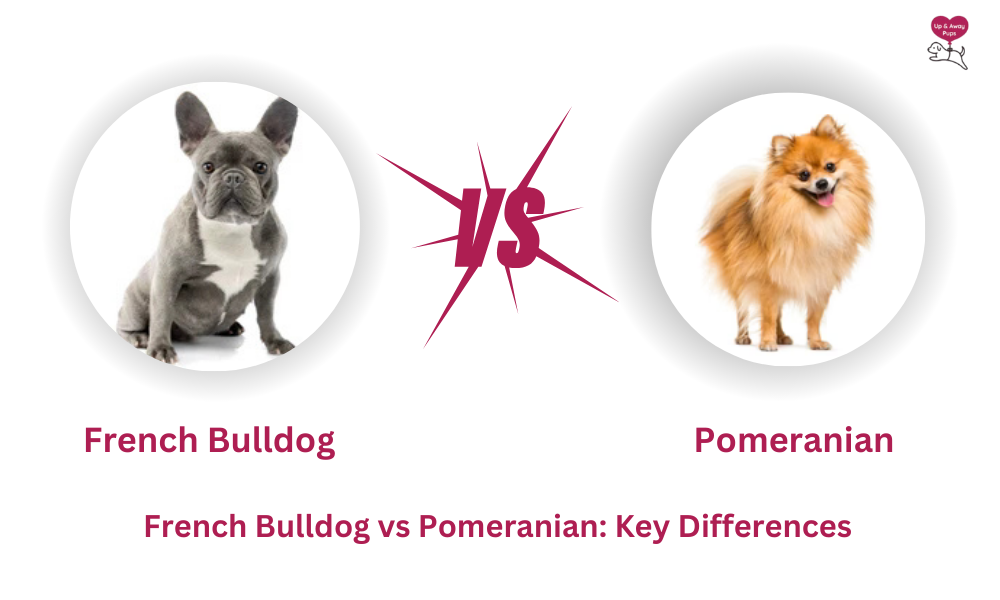
Choosing between a Pomeranian and a French Bulldog can be challenging due to their unique personalities. Pomeranians are energetic and bold, with a fluffy coat requiring regular grooming, while French Bulldogs are calm and friendly, though they need extra care for their skin folds. Both breeds fit well in apartments, but their exercise needs and temperament differ. This guide helps you weigh factors like size, energy, and care requirements to make the best choice for your lifestyle.
Bichon Frises are affectionate, playful dogs, but they can develop behavior problems like excessive barking, separation anxiety, and house soiling. Understanding the root causes of these issues is key to addressing them effectively. Harsh discipline doesn’t work—positive reinforcement, consistency, and training techniques tailored to their sensitive nature yield the best results. This guide explores balanced approaches to help Bichon Frise owners correct unwanted behaviors while strengthening their bond with their pet. With patience, any dog can learn new tricks!
Mini Bernedoodles are often considered hypoallergenic, but their coat type affects shedding and allergen levels. This guide explores what makes them allergy-friendly, how to choose the right one, and tips for managing allergies. Learn how grooming, cleaning, and spending time with a pup before adoption can help allergy sufferers enjoy a Mini Bernedoodle stress-free.
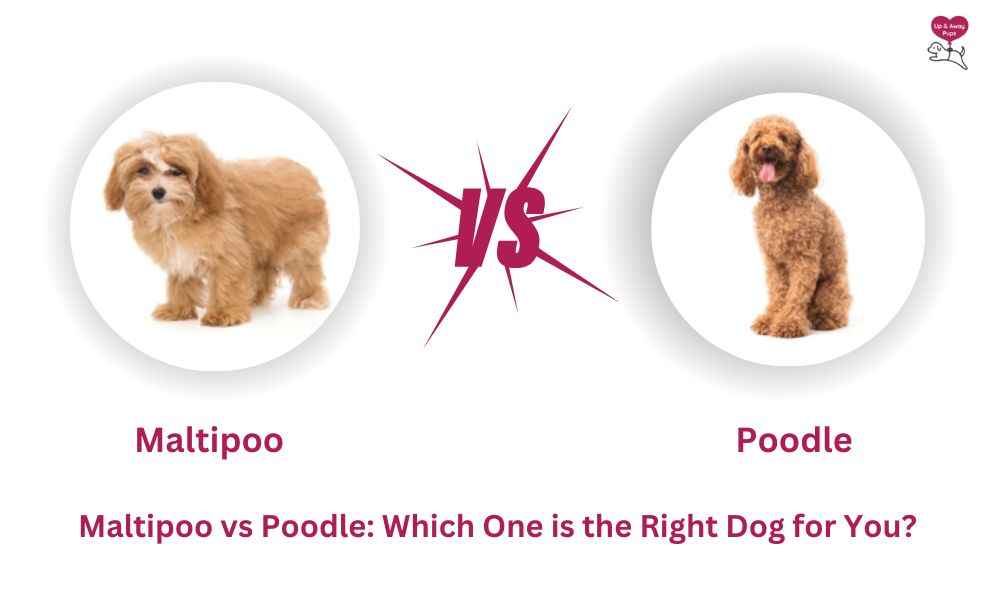
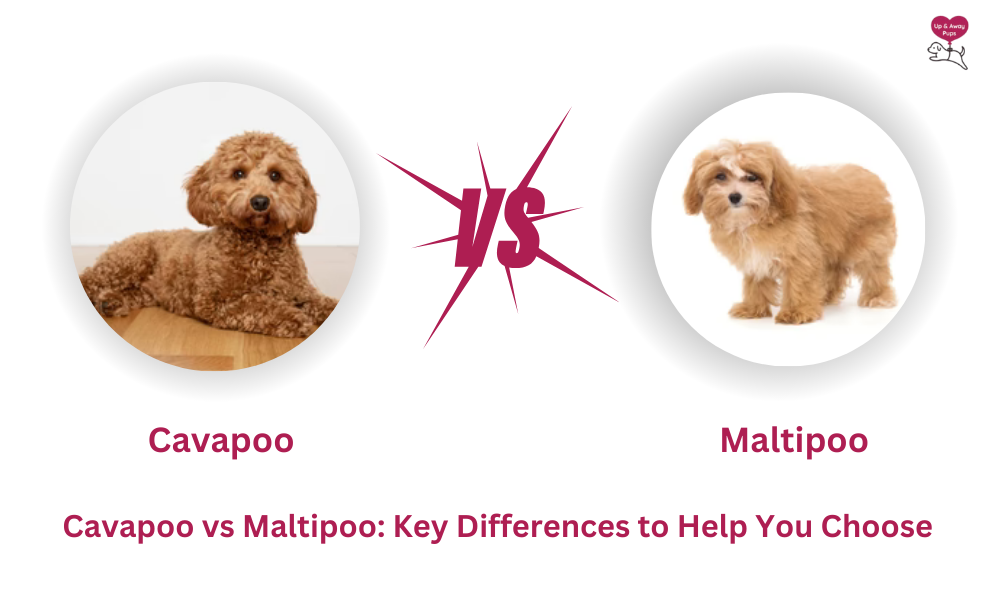
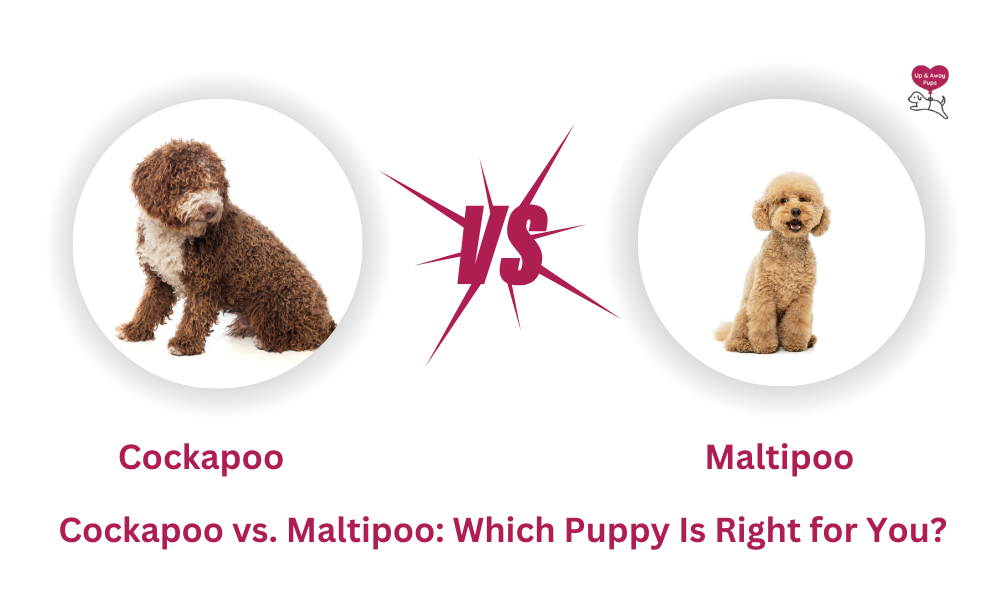
Deciding between a Cavapoo and a Maltipoo? This blog highlights key differences to help you choose. Cavapoos are outgoing, energetic, and suited for active families, while Maltipoos are smaller, laid-back lap dogs perfect for apartment living. Both are hypoallergenic, affectionate, and intelligent, making them excellent companions. Learn about their grooming needs, training, and health considerations to find the ideal puppy for your lifestyle. Whether you seek a playful partner or a cozy snuggler, one of these breeds will win your heart.
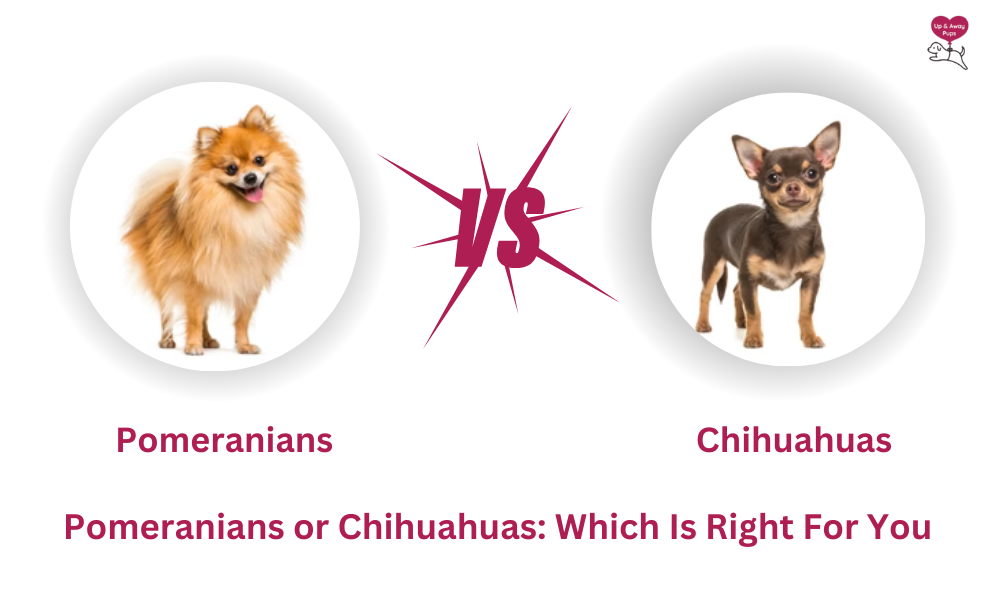
Choosing between Pomeranians and Chihuahuas can be challenging as both breeds are small, loving, and full of personality. Pomeranians are extroverted and social, while Chihuahuas are fiercely loyal and protective. Each breed offers unique qualities, from grooming requirements to energy levels. This guide compares their traits to help you decide which fits your lifestyle better, ensuring you find the ideal companion for your preferences and home.
Choosing between a Cockapoo and a Goldendoodle? Both breeds are loving, hypoallergenic, and great with families, but they differ in size, energy, and grooming needs. Cockapoos are compact, low-energy companions suited for apartments, while Goldendoodles are active, larger dogs ideal for outdoor-loving families. Both are intelligent and trainable, but your choice depends on your lifestyle. Whether you want a hiking buddy or a cuddle partner, this guide helps you pick the perfect furry friend.
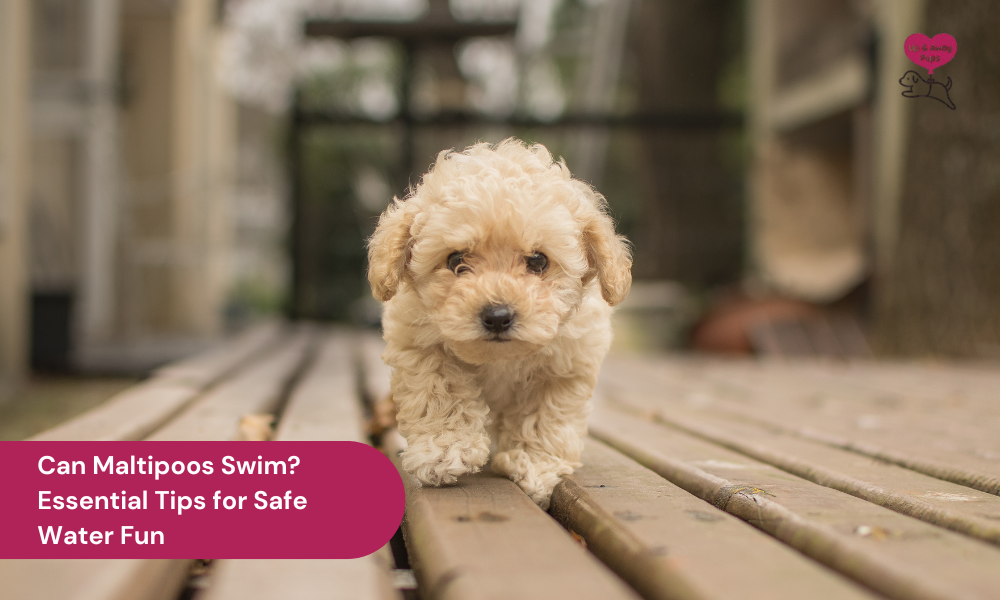
Maltipoos, a mix of Maltese and Poodle, are affectionate, playful, and intelligent dogs. Known for their "cloud-like" appearance, they thrive as loving companions and adapt well to various lifestyles, including apartment living. These hypoallergenic pups are easy to train and form strong bonds with their families, although they may experience separation anxiety if left alone too often. Maltipoos are perfect for first-time owners or seasoned pet parents seeking a friendly, low-maintenance, and cuddly addition to their home.
Cocker Spaniels can thrive in apartments due to their friendly, adaptable nature and moderate size. They require daily exercise, mental stimulation, and regular grooming to stay happy and healthy. While not excessive barkers, training helps manage occasional vocalizations. These affectionate dogs are great companions, even for first-time owners, as long as their needs are met. Whether in a house or apartment, a well-cared-for Cocker Spaniel can bring joy and love to any home environment.
Introducing a puppy to a senior dog requires patience and planning. Start with neutral ground meetings, assess both dogs' personalities, and maintain routines to prevent jealousy. Supervise interactions, ensure each has personal space, and avoid punishments for natural behavior. Gradual introductions and respect for boundaries help foster a positive bond, leading to coexistence or friendship.
Dogs need a balanced diet rich in essential nutrients, especially protein, for growth, cell repair, and overall health. This guide highlights top protein sources like chicken, beef, fish, and plant-based options like peas and lentils. Puppies require more protein (22–32%) than adults (18–25%) to support rapid growth. Combining animal and plant proteins provides balanced nutrition. Debunking myths, high-protein diets don't harm healthy dogs. Pairing protein with exercise ensures optimal health, and consulting a vet tailors a plan for your dog’s unique needs.
Understanding puppy vaccination schedules is vital for ensuring your dog’s health and safety. Core vaccines like rabies and distemper protect against serious diseases, while optional vaccines address specific risks based on your puppy’s lifestyle and environment. Following a vet-approved schedule helps maintain immunity and prevents common health issues. Puppies typically require 4–5 core vaccines in their first year, with boosters for continued protection. Regular vet visits ensure your furry friend stays happy, healthy, and well-protected throughout their life.



Bad breath in dogs is often overlooked, but it can signal dental issues like gum disease, plaque buildup, or cavities. This comprehensive guide highlights the importance of maintaining your dog’s oral health with regular brushing, dental wipes, and professional cleanings. Learn how to spot signs of dental problems, such as bleeding gums or changes in behavior, and discover tips for introducing dental care routines. With proper oral hygiene, you can prevent discomfort and ensure your furry friend stays happy and healthy.
Overweight Cavalier King Charles Spaniels face health risks like joint pain and heart issues. Learn to identify signs of obesity and manage their weight with balanced diets, regular exercise, and vet checkups to ensure a happy, healthy life for your furry companion.
Once cherished by royalty, the Cavalier King Charles Spaniel faced near extinction before a determined effort brought it back. Discover the breed's royal origins and remarkable revival.
Training older dogs is not only possible but highly beneficial for their mental stimulation and overall well-being. Discover practical tips to help your senior dog thrive!
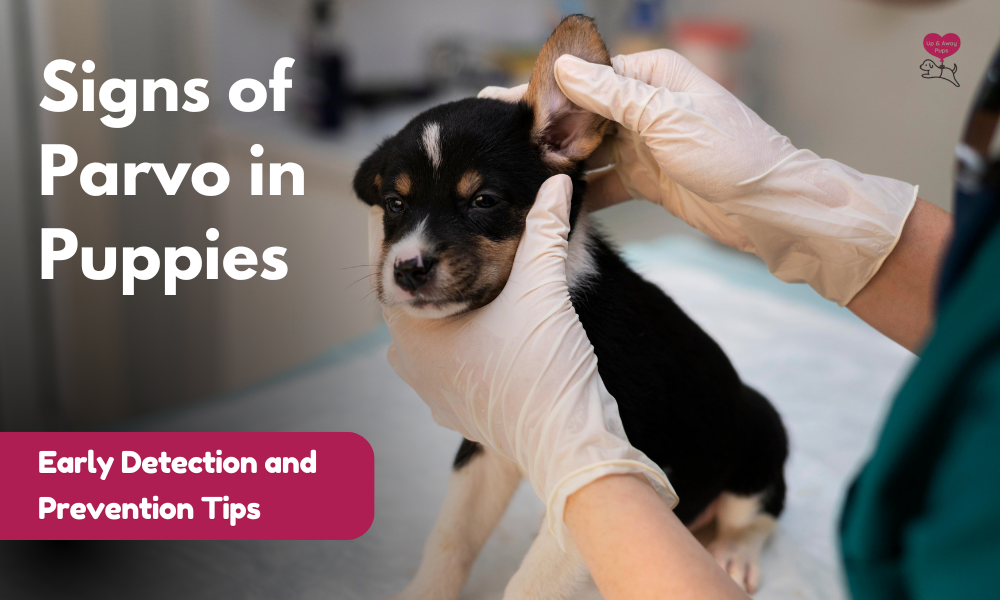
Early detection of parvovirus in puppies is vital to their survival. Common signs include lethargy, loss of appetite, fever, vomiting, diarrhea, dehydration, and behavioral changes. Prompt veterinary care, including hydration, antibiotics, and nutritional support, greatly increases recovery chances. Prevention through timely vaccination, proper sanitation, and cautious socialization is key to protecting puppies from this highly contagious virus. Recognizing symptoms early and seeking immediate treatment can save your puppy’s life.
Training your Bernedoodle from an early age is key to a well-behaved pet. This guide covers essential techniques like positive reinforcement, daily training, socialization, and fun games to make the process enjoyable for both you and your puppy.
Grooming an Aussiedoodle requires consistent care to maintain their fluffy coat and prevent tangles. This guide covers brushing, bathing, trimming, and ear cleaning, plus tools like slicker brushes and pet-safe shampoos. With patience and the right routine, you’ll keep your Aussiedoodle looking great and feeling healthy. Professional grooming tips are included for extra care.
Training a Cockapoo requires patience and consistency. Start with crate training, basic obedience, and early potty training. Socialization is key to ensuring a well-rounded, well-behaved dog. Using positive reinforcement and keeping sessions short and fun will help build a strong bond with your Cockapoo.
Puppies have high energy but need proper exercise to avoid overexertion. Exercise should be limited to 5 minutes per month of age, twice a day. Play, mental stimulation, and gentle games are also important. Over-exercising can cause joint and bone issues. Ensure safety with short walks, rest, and appropriate toys.
Chocolate contains theobromine, a toxic substance to dogs that can lead to severe health issues. This guide explains the symptoms of chocolate poisoning, emergency actions, and prevention tips to ensure your dog stays safe and healthy. Prompt action can save your dog’s life if chocolate is ingested.
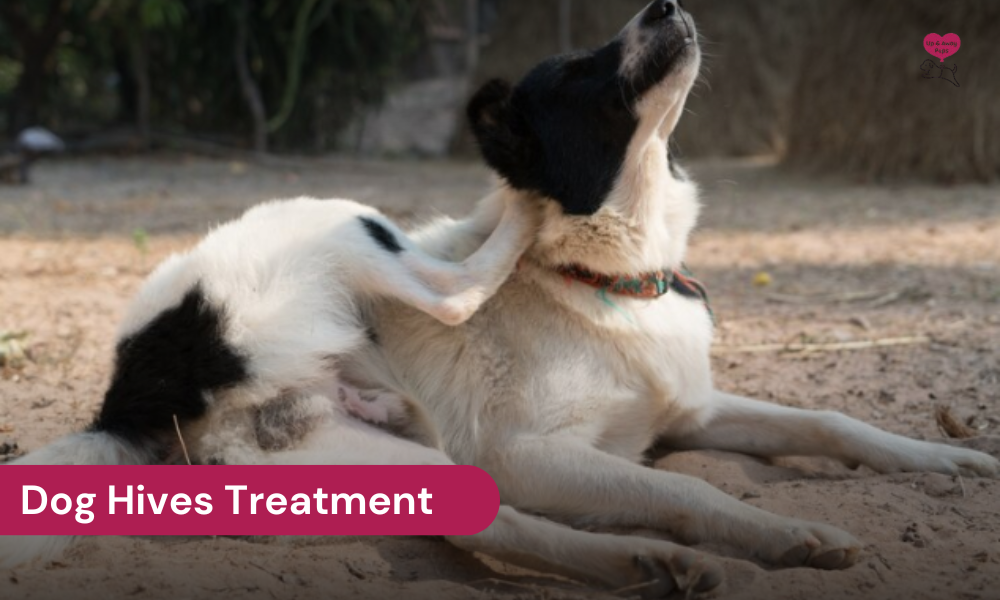
This guide covers the causes, symptoms, and treatment options for dog hives. Learn how to relieve itching, manage discomfort with home remedies, and prevent future outbreaks with practical tips and expert advice.
Yorkies often suffer from anxiety due to their sensitive nature. To help, use techniques like socialization, desensitization, consistent routines, and mental stimulation. Create a safe space, and consult a vet for severe cases.