

Why Do Dogs Lick Their Paws? Common Causes and Warning Signs
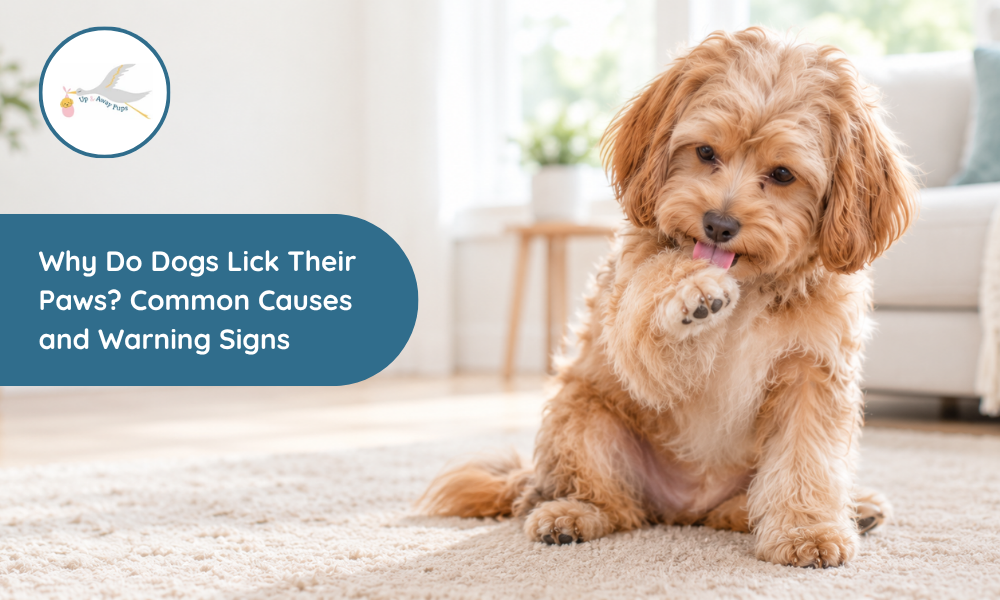
Is your dog licking their paws again and again? Learn what’s normal, what’s not, and how to spot the signs of allergies, infections, injuries, or stress. We also cover simple steps to try at home and when it’s time to call your vet.
Dogs lick their paws for many reasons. So if your dog does, you’re not alone. Knowing what is normal, the usual signs something might be wrong, and when to visit your vet can help keep your dog comfortable.
Quick Answer
Dogs lick their paws to groom themselves, relieve itching, or remove dirt. If your dog keeps licking the same spot or develops redness or swelling, it might need veterinary attention.
Since dogs can spend most of their day cleaning themselves at home, they pay special attention to their paws. Paws contact grass, flooring, and sidewalks, so licking is natural. Many dog owners will notice the behavior and wonder what it means.
It depends on how often it happens and how the paw looks. A little self-licking is normal grooming behavior. However, if your dog continues to lick at the same spot till the skin becomes red or sore, it may be dealing with an allergy, injury, or irritation.
A few things that dog owners might ask:
- Is it normal for my dog to lick paws?
- What really causes excessive paw licking?
- When should I visit a veterinarian?
Understanding the real causes helps us respond quickly and stay calm. In this post, we will cover what each sign looks like, which ones require immediate intervention, and what you can do at home to prevent it.
What Normal Paw Licking Looks Like
Dogs groom themselves with their tongues, and paws are part of that routine. A couple of short licks here and there is nothing to worry about. Normal paw licking typically looks like this:
- A couple of immediate licks after a meal or walk
- Your dog stops paw licking when you engage them in play or another activity
- No swelling, redness or hair loss on the paws
- Clean, dry skin without any bad smell
Focus on how often your dog licks and for how long. A change in that pattern is typically the first sign that something is wrong.
Common Reasons Dogs Lick Their Paws
In many cases, heavy paw licking comes down to a few common causes. Each has its own signs, so you know what to look for.
🐾 Environmental Allergies
Allergies are a common reason dogs lick their paws excessively. Grass, pollen, dust, and mold stick to a dog’s paws while walking, and their skin reacts with itching. Dogs often lick several paws at once, and the pattern might shift with the seasons.
Here’s what to look for:
- Licking all four paws together
- Red skin that appears between the toes
- Symptoms worsen during spring or fall
Wiping off their paws using a damp cloth after each walk can remove much of that pollen. If licking continues every season, then ask your vet about allergy testing.
🐾 Food Reactions
Some dogs react to specific ingredients, including common grains or proteins. Unlike any other seasonal allergies, a food reaction shows up every year as the trigger sits in their bowl. Licking may be accompanied by loose stools, gas or itchy ears.
Here’s what to look for:
- Licking that lasts throughout the year
- Itchy ears along with itchy paws
- Loose stools or gas
Food reactions may cause itchy paws, irritated ears, and digestive issues. Your vet may suggest a diet plan to identify the trigger. Learning about common causes of puppy hunger can also help you assess their feeding habits separately from possible food sensitivities.
🐾 Cuts and Stuck Objects
A burr, splinter, torn nail or cracked pad can send a dog straight into licking. Dogs will lick their wounds on instinct. However, saliva can slow down healing and introduce germs. A quick check will often locate the actual issue.
Here’s what to look for:
- Chewing or licking only on one paw
- Holding or limping the paw up
- Blood, swelling, or a visible object
Gently inspect each of your dog’s paws, and check between the toes. Avoid digging deep, as it can hurt your dog. A vet can safely remove any stuck items.
🐾 Yeast and Bacterial Infections
Continuous licking can keep a dog’s paws wet and warm. Damp skin is an ideal place for yeast and bacteria to grow. An infection can cause more itching, so the dog licks even more, and the problem worsens.
Here’s what to look for:
- A musty or sour smell from the dog’s paws
- Red or brown stains on their fur
- Greasy, swollen or crusty skin
Infections may require immediate vet treatment, typically medicated shampoo, wipes or pills. Keeping their paws dry right after baths and wet walks can prevent it from happening all over again.
🐾 Boredom
Dogs who don't get enough play, exercise or mental work often develop habits like paw licking. Licking would give them something to do, and the repetitive motion feels calming.
Here’s what to look for:
- Licking happens mostly when dogs are left alone or when the house turns quiet
- No sign of injury or redness
- Licking stops immediately when you play or give your dog a toy
Keep in mind that puppies' short attention span is entirely normal. Offer short play sessions and new chew toys throughout the day to keep them busy.
🐾 Stress and Anxiety
Dogs often lick their paws when they feel nervous, lonely or upset by changes at home. This type of licking mainly starts during loud storms, visits from strangers, or whenever the owner leaves the house.
Here’s what to look for:
- Licking that starts to happen whenever you leave
- Pacing, panting or whining associated with licking
- Licking that started right after a major change at home
Soothing routines and clear rules can help anxious dogs feel safer. Early puppy obedience classes also help build confidence and teach younger dogs healthier coping mechanisms.
Warning Signs That Need Attention
Understanding the difference between a habit and a problem can help you act right away.
| What You See | Usually Normal | Needs a Closer Look |
|---|---|---|
| How long the licking lasts | A few minutes now and then | Long stretches or all day |
| Skin color | Normal pink or tan skin | Red, brown stained, or sore skin |
| Paws licked | Different paws at different times | The same paw again and again |
| Smell | No smell | Sour, musty, or yeasty smell |
| Movement | Walks normally | Limping or guarding the paw |
If you notice any of these signs, check the paws closely and consult your vet if it doesn’t fade quickly.
What to Do at Home and When to Call the Vet

A couple of the easiest ways that can help you detect the actual cause are:
- Inspect each paw, including the paws and the skin between the toes
- Wipe the dog’s paws using a damp cloth after walks
- Dry the paws well right after baths and during wet weather conditions
- Give toys, exercise, and short play sessions that keep their mind busy
- Maintain a note of when the licking takes place and which paws are involved
Consult your vet if the licking lasts more than a couple of days or if you notice swelling, limping, bleeding or a bad smell. Your vet can identify the cause and recommend appropriate treatment, which may include allergy care, medication or diet changes.
Paw Licking Is a Message Worth Reading
Paw licking is one of the most common dog habits and often goes unnoticed. However, it can say a lot about how your dog actually feels. Most dogs lick for some simple reason. But persistent licking can be a sign, and skin changes can give you a clear clue.
Acting quickly can prevent small issues and help your dog feel comfortable again. If you are unsure of the cause, consult your vet instead of waiting. Early care is typically easier, more cost-effective, and gentler on your dog.
Frequently Asked Questions
Why does my dog keep licking its paws?
Dogs may lick their paws due to allergies, irritation, infections, injuries or stress. If the licking is frequent or causes redness, swelling or sores, consult your vet to find the root cause.
Why does my dog lick its paws after eating?
Some dogs groom after taking meals, and it’s typically harmless. If it happens almost every time and is associated with itching, then the main cause might be the food.
Is paw licking normal in puppies?
Absolutely. Puppies groom and explore with their mouths, so short-term licking is common. If the licking lasts longer or leaves red skin, have your vet check it.
Should I put a cone or sock on my dog to stop paw licking?
A soft sock or cone can protect sore skin while it heals. Try using them briefly, and ask your vet first, since you need to treat the actual cause.
Is it safe to use coconut oil or human creams on my dog’s paws?
Dogs lick off most creams, and some human products can upset their stomachs. Consult your vet before using anything new on cracked or irritated paws.