

How to Introduce a Puppy to a Cat: A Step-by-Step Guide for a Peaceful First Meeting
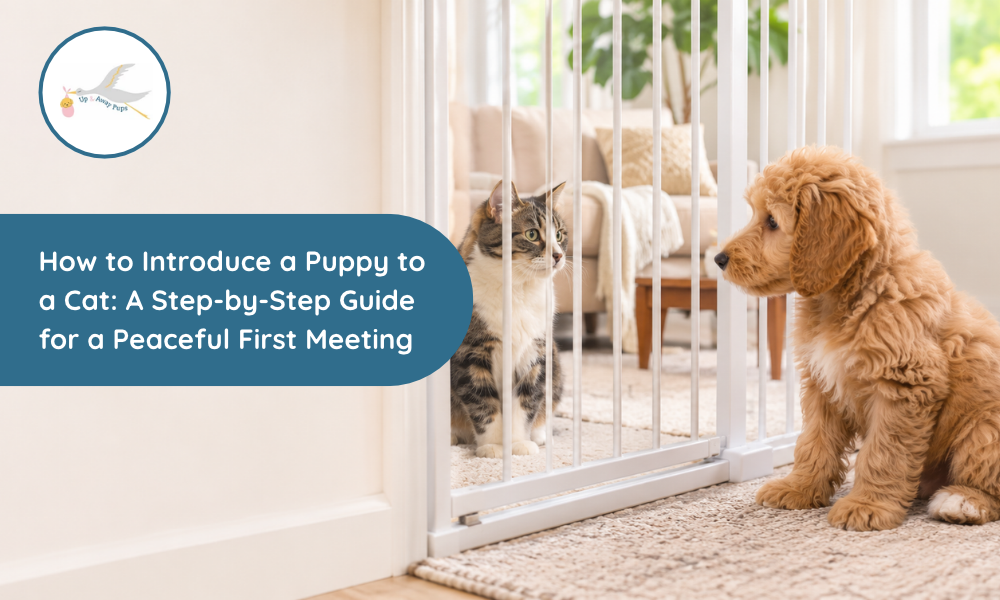
Learn how to introduce a puppy to a cat with step-by-step tips for safe first meetings, building trust, and helping both pets live peacefully together.
A gentle, calm first meeting often starts well before two pets come face to face. Having a plan can help both your cat and puppy feel safe from day one.
Quick Answer
Introduce a puppy and cat gradually. First keep them apart, let them get used to each other’s scent, and then allow short, calm meetings with the puppy on a leash. Let the cat decide the pace and reward both pets for staying calm and relaxed.
It’s a happy time for any pet owner bringing home a puppy and already having a cat. The cat can become one of the puppy’s first friends. The key is to start carefully, since first impressions often shape how they feel about each other.
Puppies are extremely curious and playful while cats love their routine and space. That mix will need a bit of careful planning. However, it works well in most households, as owners might often ask:
- Where should I start?
- What signs mean I should stop the interaction?
- How do I maintain peace between both pets?
Let’s walk through a simple plan you can follow one step at a time. Each step is designed to help both pets stay comfortable in each other’s presence.
Why a Slow Start Helps
Cats will feel protected and safe when they have their own space. A lively puppy can take them by surprise, and any rushed meeting might lead to hissing, chasing or hiding. A clear, slow plan can help both pets understand they’re safe. It also teaches a puppy that calm behavior earns tasty treats.
Here’s how you should prepare:
- Make sure to trim your cat’s nails
- Gather all treats that both your dog and cat will love
- Create a baby gate for better protection and safety
- Pick a calm day to set up their first meeting
The Step-by-Step Plan for A Peaceful First Meeting
Here are some easy ways to arrange the first meeting between your pets, especially when they look relaxed and calm.
🐾 Step 1: Set Up Separate Spaces
Make sure your cat has a quiet room with everything it needs. Also keep your puppy in a different area of your home. This way, each pet will get its own safe base. This will let the puppy settle into its new home while your cat follows its normal routine.
What to Do
- Create a room that’s only for your cat
- Add some high perches and hiding spots
- Use a baby gate for your puppy
- Make sure to maintain the same daily routines
Short visits to each space with treats can keep both pets relaxed.
🐾 Step 2: Swap Scents
Scent is the perfect way for pets to say hello to each other. Also rub a clean cloth on your puppy and place it near your cat’s bed. Then do the same with a cloth from the cat. Calm sniffing is a great sign.
What to Do
- Rub some cloths on each pet
- Place them near their resting spots
- Reward their calm sniffing with treats
- Change bedding after a couple of days
If your pet hisses or growls at the cloth, wait a few days before trying again. Maintaining a slow pace can help build trust between both pets.
🐾 Step 3: Meet Through a Barrier
Next, have them look at each other again, but this time not touching. Rely on a baby gate or door, leaving it slightly open. Put bowls on alternating sides, and bring them a little closer each day for both pets.
What to Do
- Place meals on opposite sides of the door for each pet
- Slowly bring bowls closer together
- Provide treats to calm them down
- Stick to short visits
Make sure that when these tricks end, both your puppy and cat look calm and relaxed.
🐾 Step 4: Hold the First Face-to-Face Meeting
Always pick a calm moment after the puppy has played or has burned off their energy. Keep your puppy on a leash and let your cat decide how close to come. Make sure your cat can leave at any time.
What to Do
- Ensure you exercise your puppy first
- Keep a loose leash
- Reward calm looks and sits
- Let your cat walk away whenever they wish
Important skills such as “sit” and “leave it” can make this step a lot easier. Most families would sign up for a puppy obedience class to build such skills under an expert’s supervision.
🐾 Step 5: Build Supervised Time Together
If things go well, keep leashed meetings short in a common meeting area. Be nearby and have treats on hand. Gradually increase the time as both pets become more relaxed around each other.
What to Do
- Always stay with your cat and puppy in the first meeting
- Keep each meeting session short and positive
- Provide some higher or hiding spots for your cat
- Keep both pets in different rooms whenever you leave
Each pet learns at its own speed. So, socialize your dog with other pets slowly, reward every calm moment and keep the mood upbeat.
Reading Body Language
Keeping a close watch on both pets will tell you when to continue or pause. The table below will help you get help with exactly what you need.
| What to Watch | Signs of Comfort in Puppies | Signs of Stress in Puppies | Signs of Comfort in Cats | Signs of Stress in Cats |
|---|---|---|---|---|
| Body posture | Loose and wiggly | Stiff or frozen | Relaxed and loose | Crouched low or arched back |
| Eyes | Soft, blinking, looks away | Hard, fixed stare | Slow blinks | Wide pupils, steady stare |
| Ears | Relaxed and neutral | Pricked forward and locked | Upright and relaxed | Flat or turned sideways |
| Tail | Loose, easy wag | Stiff and held high | Relaxed or gently curved | Puffed or lashing |
| Sounds | Quiet or soft sighs | Whining, barking, growling | Quiet or purring | Hissing or growling |
| Movement | Sniffs, turns away easily | Lunging, chasing, pulling | Walks calmly, sniffs | Swatting, bolting, hiding |
| Treats | Takes treats gently | Ignores treats | Eats or takes treats | Refuses food |
| Best Response | Reward and continue | Pause and separate | Reward and continue | Give space and separate |
Here’s what you should do:
- Pause if either of your pets appears tense
- Separate them calmly instead of shouting or yelling
- Try again the next day till meetings start becoming smoother
Pet owners should know the common behavioral signs to watch for so you can step in sooner, before small worries turn into major ones.
What Still Needs Your Attention
Here are a few things that will still need your close attention:
- Feed your pets in different areas of your home
- Keep them tidy and make sure to trim their nails
- Give your cat some space daily
- Practice calm greetings with treats to reward them
- Teach your puppy to follow gentle play
A Peaceful Home Takes Patience
Starting gradually and following a proper plan can give both your cat and puppy the best chance to become forever friends. Each step teaches them that the other pet is safe, and even small moments can build strong trust. Separate spaces, barrier meetings, scent swaps, and leashed visits will prepare them for the entire day while they share the same room.
Also move at your cat’s pace and reward your puppy for their calm behavior. If either pet seems tense, take a step back and try the next day again. Small setbacks are normal and don't mean your plan has failed.
Keep each meeting short and end it on a happy note. With regular practice and patience, your cat and puppy can start learning to live happily together and become close companions!
Frequently Asked Questions
How long does it take for a cat to accept a puppy?
Each pet is different. Some settle in a few weeks, while others may need a couple of months. Also, maintain your cat’s pace and celebrate small wins.
Should I let them work it out on their own?
No. Every monitored meeting can keep both pets safe. Fights will teach fear instead of friendship, so step in calmly to try again later.
What if my cat hides all day?
Hiding is a normal way for cats to cope with stressful moments. Leave their food and water nearby, keep the room calm and let your cat come out whenever they feel ready.
Will my puppy bother the cat's food and litter box?
Most puppies feel curious about both. Place all cat essentials high or behind the gate so that the puppy cannot enter. Also, keep the area clean.
Is it easier to introduce a puppy to a kitten or an adult cat?
Neither way is easier. A confident adult cat would often set some limits, while a kitten might play more freely. So, watch your cat’s comfort first.