

What Is Dog Trancing and Why Do Some Dogs Do It?
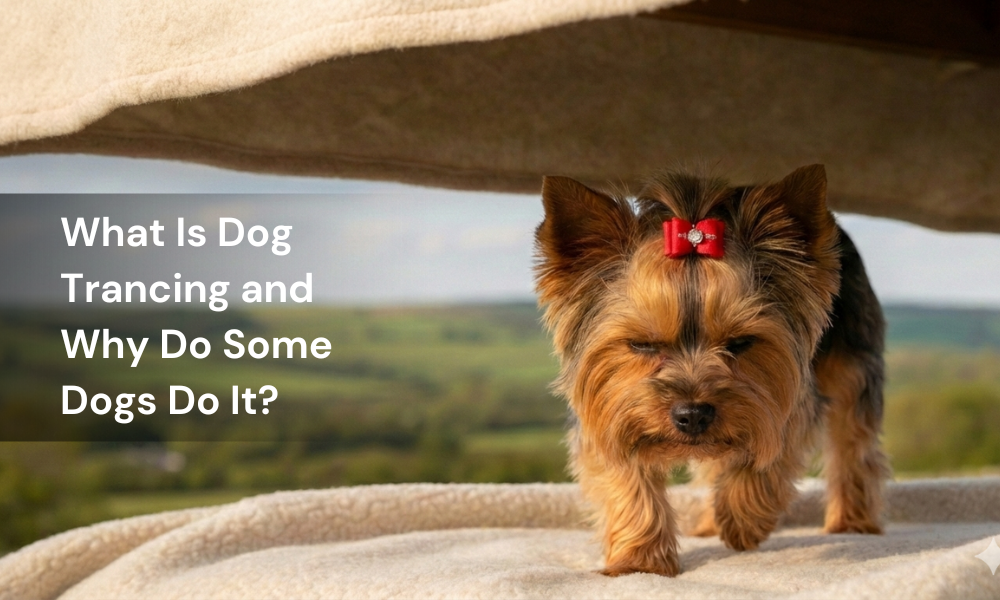
Learn what dog trancing is, why dogs do it, and the common signs to watch for. This slow, deliberate behavior often seen under curtains, bushes, or hanging objects is generally harmless and a normal way dogs experience sensory pleasure, relax, or self-soothe. While it can look unusual, trancing is different from seizures or other neurological issues. Dog owners should observe, ensure safety, and only consult a vet if it’s accompanied by distress, sudden changes, or other concerning symptoms, helping pets stay happy and healthy.
🐾 Table of Contents
There are moments in the life of pet owners when they find that their dog is walking slowly under curtains, low-hanging branches, or tall grass with a dreamy look on their face. This is a situation that is commonly termed "dog trancing." For dog owners, this type of behavior can take you by surprise or even raise a concern, especially if it is the first time they are witnessing it.
So, is dog trancing normal? Is it something to worry about?
Dog trancing is generally harmless and entirely normal. In our post today, we are going to highlight everything about dog trancing, why dogs do it, and how it is different from any other neurological issues, or is it something to rush to the vet for?
What Is Dog Trancing?
Dog trancing, at times termed as "ghost walking," is a typical behavior where a dog tends to move extremely slowly and deliberately under or through the objects that slightly touch their tail, back, or head. Knowing these normal behaviors is typically important for new owners following a beginner-friendly puppy training guide. It helps in distinguishing the training needs from any other harmless habits like trancing. These typically include:
- Curtains
- Hanging plants
- Bushes or tree branches
- Tall grass
- Tablecloths
- Flags or fabric strips
Although trancing is where a dog is generally calm, focused, or even blissful. Their movements turn controlled or slow, where they might appear as entirely absorbed in the experience. Trancing is never goal-oriented, unlike exploration or play. The dog is not trying to get somewhere quickly, as they generally enjoy this sensation.
Why Do Dogs Trance?
Although there is no single or definitive explanation for dog trancing, experts and even animal behaviorists have brought forward several theories. The accepted explanations suggest that trancing is related to sensory pleasure, relaxation, or instinct.
Sensory Stimulation and Pleasure
Dog trancing is frequently associated with physical pleasure. Light objects touching the back or the head of a dog can cause the stimulation of sensitive nerve endings, which produce a calming effect that prompts slow, conscious movement. The studies of the American Kennel Club (AKC) in the area of canine sensory biology indicate that dogs perceive the mechanical stimuli along the spine by using highly developed mechanoreceptors, which explains the reason why the slightest touch can cause a calming effect.
This pleasurable response may occur because:
- Gentle touch activates sensory nerves
- Repetitive contact creates a calming effect
- The sensation is non-threatening and soft
- Movement enhances sensory awareness
For several dogs, trancing is the most harmless way to enjoy the tactile stimulation and relax within their spaces, all excited and stress-free.
Instinctive or Genetic Behavior
A few experts often considers trancing to originate through ancestral canine instincts. Wild dogs and even wolves start moving slowly through the dense vegetation while navigating their surroundings or hunting, that needs deliberate movement or more control. These instincts often persist to this day due to:
- Genetic traits are passed through generations
- Natural stalking and exploration behaviors
- Breed-specific tendencies
- Deep-rooted survival responses
Since modern dogs no more hunting for survival, such inherited behaviors surface regularly across non-threatening spaces.
Relaxation and Self-Soothing Response
Several dogs displays clears signs of relaxation during trancing. This includes calm expressions and slow movements. Such a type of behavior often functions as a self-calming mechanism that helps dogs regulate their emotions and release tension. This sort of calming response is often identical to:
- A dog circling before resting
- Repetitive licking or chewing
- Rhythmic movements that reduce anxiety
Trancing this way helps the dogs to relax, offer emotional resilience, and comfort without the requirement for any sort of external stimulation.
Curiosity and Environmental Exploration
For a few dogs, trancing initiates as an accidental discovery during the explorations. While dogs are exploring their surroundings, they might walk under the hanging objects and become intrigued by the sensation. This sort of behavior often continues since:
- The sensation feels pleasant
- The experience is novel and engaging
- The environment feels safe
- Repetition reinforces enjoyment
Knowing this sort of exploratory behavior is beneficial while introducing safe leash training practices for puppies, since gentle guidance can help them explore new spaces without overstimulation or fear.
Train Your Puppy for Safer Walks 🐾
Using a retractable leash the right way can make walks more enjoyable and controlled. Learn safe training techniques, avoid common mistakes, and build better leash habits with your puppy.
Learn Safe Leash TrainingHeightened Sensory Sensitivity
Dogs perceive the world mainly through their senses, and some are more sensitive to touch than others. Such dogs might respond more intensely to bodily contact. According to veterinary studies, dogs do not feel things in the same way because of variations in the processing of the nervous system, which may cause them to react differently to light physical contact. The greater sensitivity levels often results out of:
- Increased nerve responsiveness
- Individual sensory processing differences
- Breed-related traits
- Emotional awareness
For these pups, trancing might be a simple, natural response to sensory input that appears highly rewarding or intense.
Breed Predisposition
Some breeds seem to be more susceptible to trancing, which is an indication of a genetic factor. Although the most commonly known breed that trances is the Bull Terrier, other breeds, such as mixed breeds and small dog breeds like the Cavapoo, can also exhibit trancing behavior based on their personality and their sensitivity to sensations. Breed-related factors may include:
- Neurological wiring
- Sensory sensitivity
- Repetitive behavior tendencies
- Inherited instincts
Although not specific to any breed, genetics often increases the chances of trancing appearing across specific dogs.
Learned Comfort Behavior
After a dog is associating trancing with pleasure or relaxation, this sort of behavior often becomes repeated or learned. Dogs often search for experiences that make them secure or calm. This learned behavior might develop since:
- The experience consistently feels soothing
- Familiar objects trigger comfort
- Repetition strengthens association
- Dogs seek emotional regulation
Over time, trancing turns the effective way for dogs to self-comfort in known spaces.
Individual Personality Differences
Every dog has their unique personality that impacts the manner in which they are interacting to the world. Loving, smart breeds like the Miniature Goldendoodle are often inclined to calming behaviors like trancing due to their people-centric nature. Personality traits often contribute to:
- Sensitivity to touch
- Preference for calm activities
- Repetitive soothing behaviors
- Emotional awareness
In numerous instances, trancing showcases the temperament of the dog instead of any other behavioral or medical concern.
What Dog Trancing Looks Like (Common Signs)
Dog trancing is the easiest way to identify once you know what to search for. Small dog breeds like a Teacup Pomeranian might show these same signs of trancing, although the behavior may appear more subtle due to their size. The common signs include:
- Slow, deliberate walking
- Head lowered or tilted slightly forward
- Objects gently brushing against the dog’s back or head
- Calm or “zoned out” facial expression
- No signs of stress, fear, or agitation
Notably, a trancing dog is fully awake; it is responsive. They can stop at once, should you call their name or interrupt them. Veterinary neurology protocols hold that voluntary behaviors that are interrupted by spoken words are a sign of consciousness preservation and are not of seizure activity.
Is Dog Trancing Dangerous?
Across numerous cases, dog trancing is entirely harmless. For a couple of new owners, knowing about behaviors like trancing is an essential part of puppy care tips for the first three months to help prevent unwanted concerns during the early stages of development. Dogs that trance generally do so by choice and appear calm throughout the behavior. It is entirely harmless for your dog till:
- Is aware of their surroundings
- Can stop trancing when interrupted
- Shows no signs of fear or confusion
- There is usually no cause for concern.
Key Differences Between Trancing and Seizures
Dog trancing may also be confused with a medical condition, particularly among novice dog owners. It is important to distinguish between trancing and seizures in order to know the normal behavior as compared to a health emergency.
Level of Awareness
Dogs do not lose consciousness during trancing, and they are fully aware of their environments as they react to sound or their name, unlike seizures, where they may lose consciousness or become confused.
Control Over Movement
Trancing is a slow, slow, and controlled movement selected by the dog, whereas a seizure is a spontaneous and uncontrollable movement that the dog is unable to manage or control.
Ability to Interrupt
A trancing dog is usually able to cease instantly when distracted or redirected, whereas a dog in a seizure cannot respond and is unable to interrupt the episode intentionally.
Emotional State
Dogs in a trance seem to look peaceful, at ease, or happy during the action, unlike seizures, which tend to produce apparent distress, stiffness in the muscles, drooling, or post-seizure fear.
Triggers and Patterns
Trancing normally happens within certain stimuli (like the hanging things), whereas seizures can happen without any warning and due to no apparent external stimuli.
Should You Stop Your Dog From Trancing?
Typically, no!
If your dog enjoys trancing and is not prone to the risk of injury, there is no reason to stop this behavior. As a matter of fact, interrupting it unwantedly might frustrate or confuse your dog. But, it is important to intervene if:
- Your dog is trancing near sharp objects
- The environment poses a risk (e.g., thorny bushes)
- The behavior becomes obsessive or interferes with daily activities
- As with most dog behaviors, moderation and safety are key.
Can You Encourage or Discourage Trancing?
Other owners prefer to trance-induce their animals in a more gentle manner by letting them access safe environments such as tall grass or fabric strips that are hung or allowed to hang. There are those who do not wish to strengthen the behavior. This can be of great assistance, especially when preparing your house to welcome a puppy, because handling household materials such as curtains, plants, or fabrics can influence early behavioral experiences.
Both approaches are valid.
If you want to allow trancing:
- Ensure objects are soft and safe
- Supervise your dog
- Let them initiate the behavior
If you want to discourage it:
- Remove common triggers (like long curtains)
- Redirect your dog’s attention with toys or commands
- Avoid punishment—trancing is not bad behavior
When Should You See a Vet?
Veterinary professional bodies such as the American Veterinary Medical Association (AVMA) recommend clinical advice to the effect that behavioral changes, along with lethargy, loss of appetite, or confusion, should be evaluated, whereas isolated and interruptible behaviors are unlikely to warrant treatment. While trancing itself is usually harmless, consult a veterinarian if:
- The behavior starts suddenly and intensely
- Your dog seems distressed rather than calm
- Trancing is accompanied by other symptoms (lethargy, loss of appetite, confusion)
-
You’re unsure whether what you’re seeing is trancing or something else
A professional evaluation can provide peace of mind and rule out medical concerns.
Final Thoughts: Understanding Your Dog Better
One of the interesting behaviors that helps to remember that dogs are unique and complex is dog trancing. What can seem bizarre to us is usually a different form of how dogs communicate with the surrounding world and control their emotions.
Trancing is healthy, pleasurable, and healthy in most of the cases. This way, you can be assured of knowing when your dog is just having a moment of sensory pleasure, as you know why the dog engages in it and what it actually appears to look like.
Therefore, the next time your dog is slowly gliding under the curtain or a bush, pause to observe and appreciate the wonderful, quirky nature of our furry companions!