

Yorkshire Terrier Breed Information & Complete Care Guide (2026)
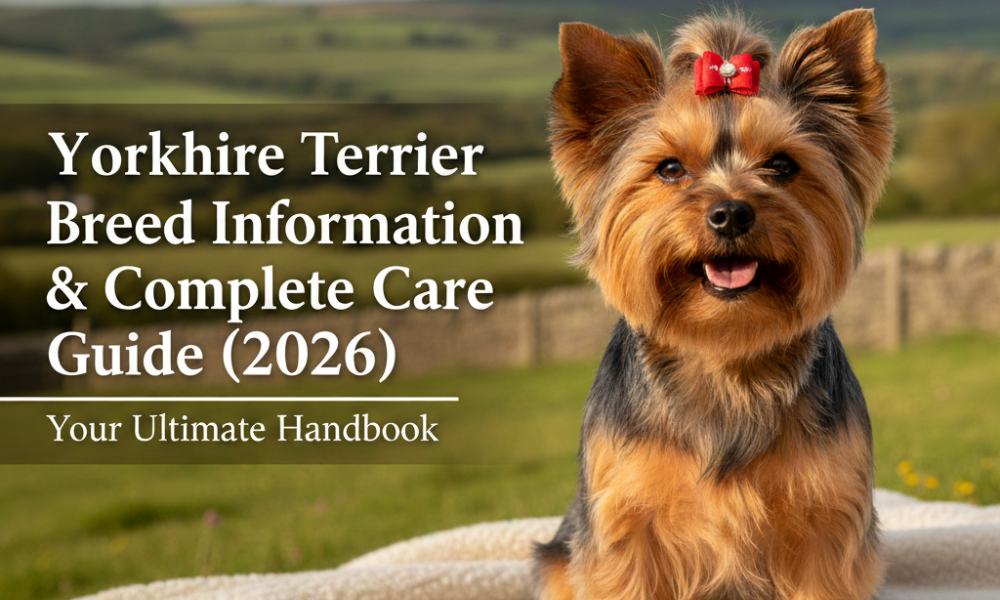
The Yorkshire Terrier is a small yet confident dog known for its lively personality and affectionate nature. This complete breed guide covers everything you need to know, including temperament, cost, food and diet, training, care needs, weight, and lifespan. Whether you’re a first-time dog owner or considering a Yorkshire Terrier for your family, this guide helps you understand what to expect and how to provide the best care. Learn why the Yorkshire Terrier remains one of the most popular companion breeds in the USA.
If you are researching yorkshire terrier breed information, chances are you are either considering bringing a Yorkie home or you already have one and want to give them the best possible care. Yorkshire Terriers are small dogs with oversized personalities, known for their confidence, loyalty, and charming appearance. This Yorkshire Terrier breed guide walks you through everything you need to know, from temperament and personality to food, training, cost, care needs, and lifespan, all in one easy-to-follow guide.
Yorkshire Terrier Breed Information Overview
The Yorkshire Terrier, often called the Yorkie, was originally bred as a working dog despite its tiny size. Today, Yorkies are among the most popular companion dogs in the United States, especially for apartment living and first-time dog owners.
Yorkshire Terrier Quick Facts
| Feature | Details |
|---|---|
| Breed Group | Toy Group |
| Height | 7 to 8 inches |
| Weight | Up to 7 pounds |
| Coat Type | Long, silky, hair-like |
| Shedding | Very low |
| Life Expectancy | 11 to 15 years |
| Temperament | Confident, affectionate, alert |
Yorkshire Terrier features include a straight blue and tan coat, expressive eyes, and a compact build. Their small size makes them easy to carry, but their attitude often convinces them they are much bigger than they really are.
Yorkshire Terrier Personality, Temperament, and Character
One of the biggest reasons people fall in love with Yorkies is their personality. Yorkshire Terrier temperament is best described as bold, curious, and affectionate.
Yorkshire Terrier personality traits often include:
• Strong attachment to their owners
• Alert and watchdog-like behavior
• High confidence
• Playful and energetic nature
Despite their size, Yorkshire Terriers are fearless. Their character is shaped by intelligence and independence, which can sometimes come across as stubbornness. With proper socialization, they are friendly and adaptable dogs.
Is the Yorkshire Terrier a Good Family Dog?
Yorkies can make wonderful family companions, especially in homes with older children. Because of their small size, they can be accidentally injured during rough play, so supervision is important.
They usually do well with other pets when introduced properly. Early socialization plays a big role in shaping positive Yorkshire Terrier behavior.
Yorkshire Terrier Weight and Growth Chart
Yorkies are a toy breed, and keeping their weight within a healthy range is essential for long-term health.
| Age | Average Weight |
|---|---|
| 3 months | 2 to 3 lbs |
| 6 months | 4 to 5 lbs |
| 1 year | 6 to 7 lbs |
| Adult | Up to 7 lbs |
Maintaining a healthy Yorkshire Terrier weight helps prevent joint issues, tracheal collapse, and heart problems later in life.
Yorkshire Terrier Care Requirements
Yorkshire Terrier care involves more than just feeding and walking. Their coat, teeth, and overall hygiene require regular attention.
Daily Care Needs
• Short walks and indoor playtime
• Mental stimulation through toys and puzzles
• Regular brushing to prevent tangles
• Dental hygiene
Grooming Overview
| Care Area | Frequency |
|---|---|
| Brushing | Daily or weekly depending on coat length |
| Bathing | Every 2 to 3 weeks |
| Professional Grooming | Every 6 to 8 weeks |
| Nail Trimming | Every 3 to 4 weeks |
| Teeth Brushing | Daily |
Yorkies do not tolerate cold weather well, so sweaters or jackets are often needed in cooler climates.
Yorkshire Terrier Training and Behavior Tips
Yorkshire Terrier training requires patience and consistency. While they are intelligent, they are also independent thinkers.
Training Tips
• Start training early
• Use positive reinforcement
• Keep sessions short and engaging
• Be consistent with commands
Yorkshire Terrier behavior problems can include excessive barking, stubbornness, and separation anxiety. These behaviors are manageable with early training and mental stimulation.
House training may take longer compared to some breeds, but routine and persistence pay off.
Do Yorkshire Terriers Bark a Lot?
Yorkies are naturally alert and vocal. Barking is often their way of communicating excitement, boredom, or perceived threats. Teaching quiet commands and providing enough activity can help control excessive barking.
Yorkshire Terrier Food and Diet Guide
A proper diet plays a huge role in your Yorkie’s health and longevity. Yorkshire Terrier food should be specifically formulated for small breeds.
Best Yorkshire Terrier Diet Practices
• High-quality protein as the first ingredient
• Small kibble size
• Balanced fats and carbohydrates
• No artificial fillers
Yorkshire Terrier dry food designed for toy breeds works well for dental health and digestion.
How Much Should a Yorkshire Terrier Eat?
Yorkshire Terrier food amount depends on age, activity level, and metabolism.
| Age | Meals Per Day | Daily Amount |
|---|---|---|
| Puppy | 3 to 4 | Small frequent meals |
| Adult | 2 to 3 | ½ to ¾ cup |
| Senior | 2 | Adjust based on activity |
Feeding smaller, frequent meals helps prevent low blood sugar, especially in puppies.
Digestive Sensitivities and Diarrhea in Yorkies
Yorkshire Terrier diarrhea can occur due to sudden food changes, stress, or sensitivities. Always transition foods slowly and avoid table scraps. Persistent diarrhea should be evaluated by a veterinarian.
Is the Yorkshire Terrier Hypoallergenic?
Yorkshire Terriers are often considered hypoallergenic because they have hair instead of fur and shed very little. While no dog is completely allergen-free, Yorkies can be a good option for allergy-sensitive households.
Yorkshire Terrier Lifespan and Health Expectations
The average Yorkshire Terrier lifespan ranges from 11 to 15 years. With good care, many live even longer.
Common health concerns include:
• Dental disease
• Hypoglycemia
• Patellar luxation
• Tracheal collapse
Preventive care, weight management, and routine veterinary visits go a long way in supporting a long, healthy life.
Yorkshire Terrier Cost Breakdown
Understanding Yorkshire Terrier cost helps future owners plan responsibly.
| Expense | Estimated Cost (approx.) |
|---|---|
| Puppy Purchase | $800 to $2,500 |
| Initial Supplies | $200 to $400 |
| Grooming Per Year | $500 to $1,000 |
| Veterinary Care | $300 to $700 annually |
| Food | $250 to $400 annually |
Costs may vary based on location, breeder quality, and lifestyle choices.
Is a Yorkshire Terrier Right for You?
Yorkshire Terriers are affectionate and confident companions who thrive with owners willing to meet their grooming, training, and daily attention needs. Choosing a Yorkie is a long-term commitment that brings both joy and responsibility. This complete yorkshire terrier breed information guide covers temperament, care, food, training, cost, and health expectations to help you decide if this breed fits your lifestyle. With proper care, structure, and love, a Yorkshire Terrier can remain a loyal companion for many happy years.