
Understanding Puppy Vaginitis: Symptoms, Treatment, and Care
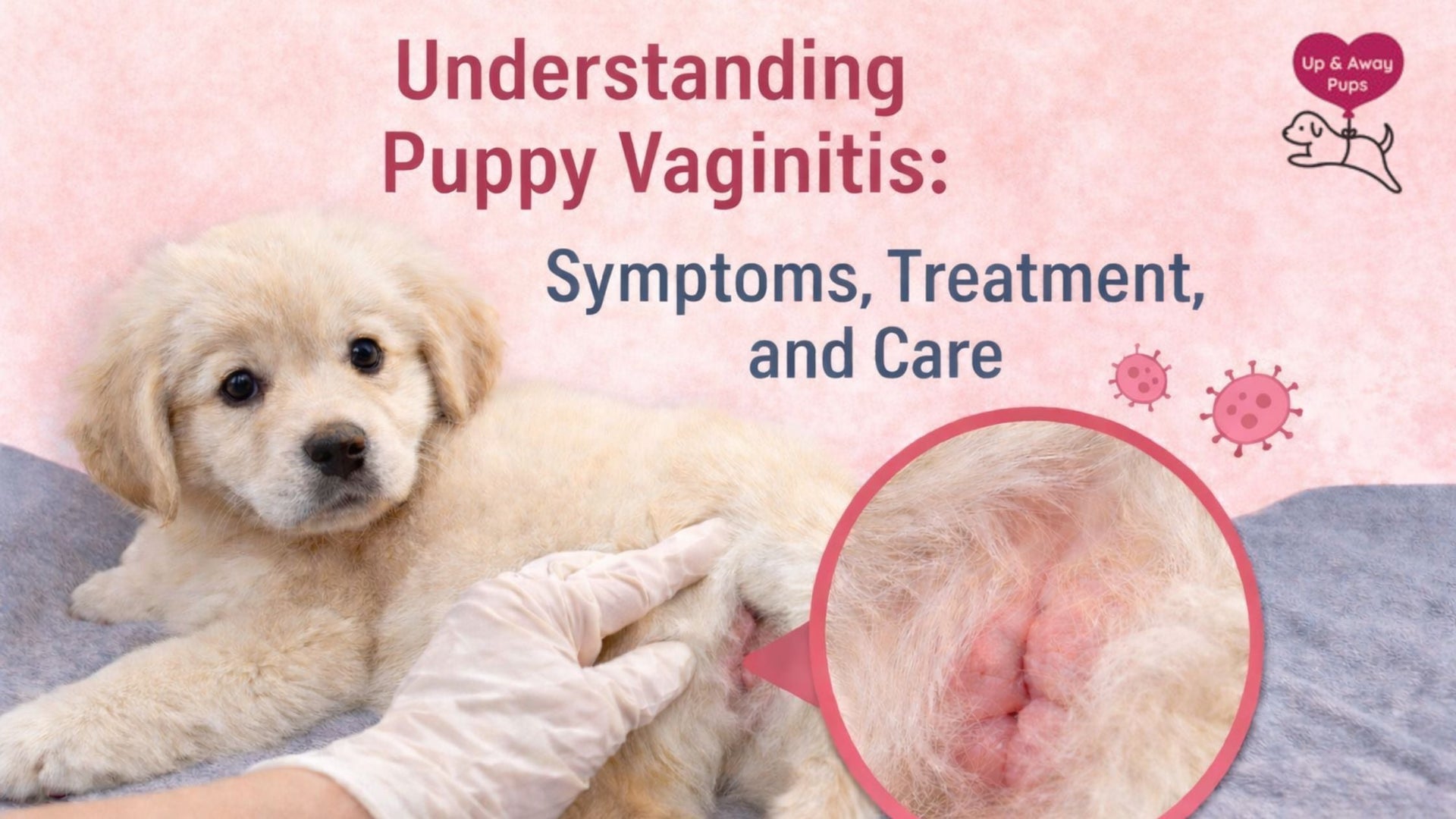
Puppy vaginitis is a common but often mild condition in young female dogs. Understanding its symptoms, causes, diagnosis, and care options can help owners manage it confidently and avoid unnecessary treatment during puppyhood
Premature reproductive health issues, particularly in female dogs, can be a subject of concern that can be understood by the owners. It occurs primarily when observable changes occur immediately before their maturity. Some of them require early intervention, but others can be helped by close monitoring and informed care.
Recognizing normal developmental changes, warning signs, and appropriate care plans can help avoid excessive treatment and promote a healthier outcome during puppyhood. It is mainly common across small and toy breeds, like a Teacup Maltese, which is prone to early-life sensitivities.
What Is Puppy Vaginitis?
Puppy vaginitis can be defined as a disease that characterizes the inflammation of the vagina in female puppies that are not yet sexually mature. As a rule, pups are between six and eight months of age. It also has a difference with adult vaginitis in terms of cause and prognosis.
Puppy vaginitis, in many cases, is caused by hormonal immaturity rather than an infection, which mostly subsides as the pup nears puberty. It is a well-documented pattern in prepubescent dogs, as reported by the Merck Veterinary Manual.
Clinical Signs and Symptoms
Symptoms are typically broken down in terms of their severity. The common clinical signs include:
- Mucoid vaginal discharge (clear, white, or pale yellow)
- Licking of the vulva frequently.
- Mild losses of the vulva and swelling.
- Occasional smell (In general, mild)
- More male attention ( Sometimes ).
Signs That Require Veterinary Attention
The immediate assessment is implied in the following conditions:
- Green, bloody, or foul discharge.
- Suffering, heat, and weakness, or lack of hunger.
- Painful and frequent urination.
- Lasting symptoms that develop over time.
Such signs are also typical and may suggest urinary tract infection, a foreign body, bacterial vaginitis, or other reproductive or systemic disorders, which are common in small dog breeds such as the Miniature Dachshund.
Causes and Risk Factors
The true cause of puppy vaginitis may not always be known, but factors that may cause the condition include:
- Immaturity of the immune and reproductive systems.
- Anatomical influences, such as a recessed or juvenile vulva.
- Irritation of the environment (urine scald, dirt, moisture)
- Altered vaginal microflora
Contrary to opinion, puppy vaginitis is not commonly brought about by infection and poor hygiene.
How Vets Diagnose Puppy Vaginitis
Upon bringing your pup to the vet, the objective is to confirm this condition and rule out other issues. The vet is qualified to examine the dog's genital areas and conduct tests to determine the root cause, suggesting the best treatment plan.
Physical Exam
An extensive physical exam inspects the vulva for redness, swelling, irritation, and discharge. It can help in determining whether or not the issue is connected to wider health issues. The vet also conducts a thorough health check and comfort levels by:
- Inspect the vulva carefully
- Check for discharge
- Assess swelling severity
- Look for irritation signs
A physical exam is the initial step to confirm vaginitis to help determine the next screening steps and treatment choices.
Urinalysis
Urinalysis can help in ruling out a urinary tract infection that often causes other identical symptoms. It identifies crystals, bacteria, or inflammation that impacts the treatment decisions. The test offers important details promptly and non-invasively:
- Collect a urine sample
- Check infection markers
- Look for crystals
- Evaluate inflammation levels
Urinalysis can help in distinguishing between urinary issues or vaginitis to ensure that your pup is getting the right treatment without unwanted delays.
Vaginal Cytology
Vaginal cytology consists of taking a swab to inspect cells under a microscope. It can help identify the type of infection or inflammation and whether or not yeast or bacteria are present. The test guides the targeted treatment decisions:
- Swab vaginal tissue
- Examine cells microscopically
- Identify infection type
- Determine the inflammation level
Cytology is able to determine the cause and prevent conjecture; therefore, the treatment becomes more accurate and efficient, and the recovery is encouraged in the pup. Natural selection thereof preponderates with more patterns of non-infectious inflammatory cells in a cytologic pre-pubertal canine, which validates clinical determination without the deification of antibiotics as emphasized by the American College of Veterinary Pathologists (ACVP).
Bacterial Culture
A bacterial culture will determine the specific bacteria that bring on infection and test the antibiotics that are effective. It works when the symptoms remit or reappear in the aftermath of the initial treatment. It provides correct medication to:
- Collect vaginal sample
- Grow bacteria in the lab
- Identify species
- Test anti-microbial sensitivity
A culture provides a multipurpose diagnosis to prevent the use of ineffective antibiotics, resulting in a quick recovery and a reduction in repeat infections.
Ultrasound or Imaging
In rare cases, imaging is usually prescribed to examine the anatomical concerns or issues. This will assist in the elimination of deep-seated problems that may be the cause of recurrent vaginitis. It is a wider view of the internal organization with:
- Use ultrasound imaging
- Check reproductive organs
- Look for abnormalities
- Identify structural issues
In a lot of scenarios, imaging is not necessary, yet it may provide hidden reasons why, in case your pup will be given the appropriate long-term care plan.
Treatment and Management
Clinical decisions emphasize conservative care, avoiding unnecessary antibiotics, and emphasize monitoring until natural hormonal maturation occurs.
Conservative Monitoring
The primary method of management of mild cases of vaginitis is conservative in pups. It is predominant among unreinfected dogs that are prepubertal and healthy, including no significant anatomical defects or systemic disease. The strategy depends on reconsideration and monitoring rather than prompt medical treatment, such as:
- Symptom progression
- Discharge characteristics
- Vulvar appearance
- Behavioral changes
Pups tend to die spontaneously as reproductive organs reach adulthood, and conservative observation is reasonable in clinically stable and mild symptoms. The strategy fits the broader recommendation on puppy care in summer and winter since these climatic conditions tend to influence the symptoms manifestation.
Local Hygiene Management
Hygiene local management may be used to decrease environmental irritation to prevent secondary inflammation or infection in pups having mild perineal irritation or vulvar discharge. Soft cleansing is always practiced as opposed to being exposed to the chemicals or overbearing, such as:
- Warm water cleansing
- Dry perineal area
- Clean bedding
- Hair trimming
Known to aid in tissue healing, without disturbing the normal vaginal flora, which can aggravate clinical symptoms or increase inflammation, proper hygiene is used.
Topical Therapy
Topical therapy is often considered in cases with persistent external irritation, discomfort when conservative management does not control symptoms. Topical treatment should only be used under vet guidance:
- Anti-inflammatory ointments
- Barrier creams
- Prescription preparations
- Short-term application
With proper selection and limited duration, topical therapy relieves localized discomfort without noticeable side effects or interference with general developmental processes, as owners can check on the teacup puppy growth chart.
Management of Vulvar Conformation
The anatomy of the vulva can lead to moisture retention, vulvar irritation, and recurrent inflammation in affected puppies, including a recessed or juvenile vulva. The management is aimed at minimizing the secondary irritation until the maturation takes place:
- Weight management
- Hygiene optimization
- Hair control
- Monitoring development
There are numerous conformation-related problems that can be addressed through natural growth and do not require any surgical or medical intervention.
Spay Timing Considerations
The timing of the spay can affect the resolution of puppy vaginitis because of the hormonal effects of puberty and sexual maturation. Individualized decisions should be made on clinical presentation:
- Symptom severity
- Age and size
- Recurrence history
- Overall health
In other instances, spaying after the first estrous cycle permits the body to self-correct and fully recover the symptoms, and in particular, in the first 90 days of your new puppy, where developmental modifications and baseline health patterns are being determined.
Prevention of Self-Trauma
Overlicking may exacerbate inflammation, prolong healing time, and lead to secondary infection in puppies with vulvar discomfort or discharge. Preventive interventions might be provisional:
- Elizabethan collar
- Behavioral redirection
- Environmental enrichment
- Supervised activity
Self-trauma prevention is essential, as frequent licking and mechanical irritation are known to delay mucosal and dermatologic healing in veterinary dermatologic and mucosal diseases. This is a risk highlighted in clinical guidance released by the World Small Animal Veterinary Association (WSAVA).
At-Home Care Tips
Regular monitoring and daily care can help keep the vulva healthy and reduce factors that can increase inflammation or pain.
Gentle Vulvar Cleaning
Light cleaning of the vulva can help remove surface debris, urine, and discharge that can cause irritation without altering the delicate tissues or the natural microbial balance. The cleaning must be as little and unobtrusive as possible:
- Warm water only
- Soft cloth use
- No soaps
- Infrequent cleansing
Exposure to chemicals or overcleaning may exacerbate inflammation; therefore, cleaning should be done with comfort and cleanliness rather than sterilization.
Keeping the Area Dry
Keeping the perineal area dry will minimize the risk of moisture that may promote irritation, bacterial proliferation, or persistent discharge in affected puppies. The water issue must be included in everyday habits:
- Dry after urination
- Absorbent bedding
- Frequent bedding changes
- Outdoor supervision
Dryness favors tissue healing and minimizes environmental factors that contribute to persistent vulvar tissue inflammation.
Clean Sleeping Environment
A clean sleeping environment helps limit repeated exposure to bacteria, moisture, and irritants that can exacerbate vulvar inflammation or slow symptom recovery. The environmental hygiene must always be upheld:
- Washed bedding
- Non-irritating materials
- Dry surfaces
- Regular cleaning
Having a clean resting space promotes overall cleanliness and reduces the risk of secondary contamination from environmental factors. This principle can be applied on a large scale to the care of both small and large breeds, since size, anatomy, and bedding requirements may alter exposure to moisture and bacteria.
Monitoring Vaginal Discharge
Frequent check-ups of vaginal discharge can ensure that the changes can be detected early enough to indicate improvement, persistence, or progress of the condition. Daily discharge characteristics should be observed by owners:
- Color changes
- Odor presence
- Volume increase
- Consistency shifts
Precise observation will help determine whether conservative management is adequate or whether a veterinary reassessment is needed.
Preventing Excessive Licking
Licking too much may increase inflammation, introduce bacteria, and mechanically damage already inflamed vulvar tissues. Treatment can be required in case licking is persistent:
- Short-term e-collar
- Supervised activity
- Distraction techniques
- Environmental enrichment
Preventing secondary complications linked to mechanical irritation accelerates the healing of self-trauma and prevents its recurrence.
Maintaining Proper Nutrition
Correct nutrition helps to maintain immunity, repair tissues, and health, which can affect recovery and resistance to secondary infection. Regularity of the diet must be addressed:
- Balanced puppy diet
- Age-appropriate formulation
- Avoid sudden changes
- Adequate hydration
The results of optimal nutrition are indirectly related to recovery, as it helps facilitate normal development and immune system development.
Observing Behavioral Changes
Changes in behavior can be a sign of discomfort, symptom progression, or the emergence of secondary conditions requiring veterinary care. The owners must be sensitive to minor changes:
- Increased restlessness
- Lethargy onset
- Urination changes
- Appetite reduction
Early identification of behavior change will guarantee on-time intervention and the avoidance of complications that go unnoticed in the management process at home.
When to Seek Emergency Care
In most cases, puppy vaginitis is often mild; however, urgent vet care is important if your pup shows:
Difficulty urinating
- Blood in urine
- Severe swelling or pain
- Lethargy or loss of appetite
- Fever or signs of systemic illness
These often indicates to more serious infection or complication that needs immediate attention.
Prevention Strategies
Though all the instances cannot be avoided, the following measures will minimize the risk:
- Keep the Area Clean: Irritation may be avoided by regular grooming and cleaning.
- Avoid Irritants: Do not apply harsh shampoos or scented wipes in the area of the vulva.
- Maintain Proper Hygiene: Clean up the puppy, particularly when it is messy or very long-haired.
- Watch for Early Signs: Prevention is the early detection. Do not wait; if you observe any symptoms.
-
Routine Vet Checkups: Vet visits are regular, so health problems are detected early.
The Bottom Line
Puppy vaginitis is disturbing, though in most cases it can be treated, more so when it is diagnosed early. The steps that are most important are to identify the symptoms, visit the veterinarian, and adhere to the treatment and home care.
When you are not sure about whether your puppy is getting vaginitis, then you should seek the advice of a vet rather than wait. In most cases, when given timely treatment and care, most puppies recover and return to their normal, playful, happy lives.