

Miniature Schnauzer vs Yorkshire Terrier: A Comparison Guide
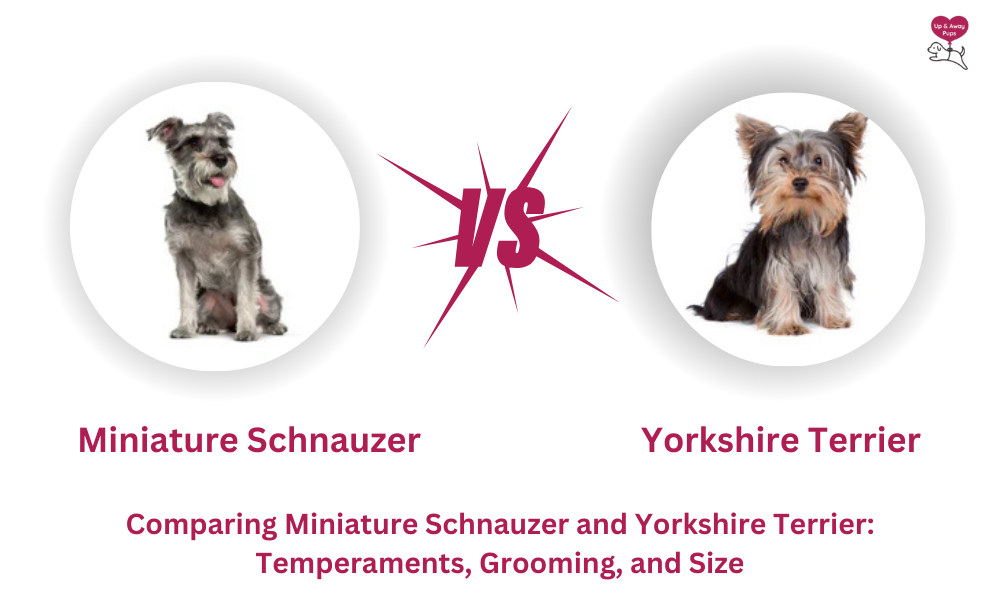
Miniature Schnauzer vs Yorkshire Terrier compares two popular small breeds with distinct lifestyles and care needs. While similar in size, Miniature Schnauzers are sturdy, alert, and moderately active dogs suited for families seeking a confident, watchdog-like companion. Yorkshire Terriers, on the other hand, are delicate, affectionate, and companionship-driven, thriving in close human contact. The guide highlights key differences in temperament, energy, grooming, training, health, and diet to help potential owners choose the breed that best fits their home, routine, and long-term expectations.
Choosing between a Miniature Schnauzer and a Yorkshire Terrier could turn against itself, namely, when both these breeds have long been famous due to their elegance, intelligence, and the ability to adapt to contemporary life. They can be of equal sizes, but both breeds have their own characteristics regarding grooming requirements, temperament, vigor, and type of companionship.
The most important thing to do is to understand the differences thoroughly, so that you can find the proper match between the breed and your home, your everyday life, and your lifestyle expectations and wants, and this is why we can make our blog a definite guide to Miniature Schnauzer vs Yorkshire Terrier comparison.
Breed Overview at a Glance
The two breeds might seem of the same size; however, the difference in their background, personalities, and care needs is massive. A short description can be used as an introduction to further comparisons and expectations of everyday life in order to set the frame.
Miniature Schnauzer Overview
Miniature Schnauzers are strong, alert, and daring miniature dogs that were first used in the fields. The breed is described as being highly loyal, clever, and protective. Their balanced energy level makes them usable to an active population, which is in the form of walks, play, and social interaction. According to the American Kennel Club (AKC), the Miniature Schnauzer is never left out of the list of the most popular small breeds in the United States, which is an indicator of their adaptability as well as their friendliness.
Yorkshire Terrier Overview
Yorkshire Terriers are small, brave, and highly affectionate company dogs. Their attachment to their owners and confidence is not concealed by their small sizes. The American Kennel Club (AKC) confirms that Yorkshire Terriers are still one of the most registered toy breeds in the country, which stresses the fact that they have always been popular pets in families.
Miniature Schnauzer vs Yorkshire Terrier: Understanding the Core Differences
The attitude to life of every breed is defined by history and mission. The study of such differences helps to pre-establish the truth with the expectations before bringing one home.
Origins and Breed Development

Miniature Schnauzer
The origins of the Miniature Schnauzer go back to hardworking farm dogs who were bred to control rodents and safeguard property. Selective breeding made them intelligent, alert, and independent. These roles instilled from early years shaped their confident temperament that still surfaces today as their watchdog instincts, strong territorial awareness, and natural tendency to remain observant and involved in household activities.
Yorkshire Terrier
The Yorkshire Terrier was originally bred to hunt vermin in textile mills and working wells. Gradually, breeding changed to companionship and looks. The outcome of this change was a dog full of daring confidence yet deeply bonded, and thus a breed that loves to stay close but is surprisingly fearless in its size.
Physical Size, Build, and Appearance
Miniature Schnauzer
Miniature Schnauzers are small in size but robust in their body structure, which is square and has good bone structure. Considerable eyebrows and a strong beard make the breed look serious. Physical resilience facilitates active play and assured movement, which makes it easier to handle daily activities, outdoor walks, and family settings.
Yorkshire Terrier
The Yorkshire Terriers are characterized by a small and delicate structure with lightweight bones and fine structure. Their appearance is characterized by long and silky hair that has to be handled with care. A smaller size restricts rough play and exposes one to the risk of injury. Questions like "Do Yorkshire Terriers Have Small Tails?" are frequently asked, since tail length and docking decisions affect the breed's overall appearance and the tradition of breed recognition.
Temperament and Personality Traits
Miniature Schnauzer
The Miniature Schnauzer personality can be characterized as confident, loyal, and alert. Intelligence enables rapid learning, but stubborn tendencies can arise without regular guidance. Socialization is used to control excessive barking and provide comfort in unfamiliar persons, animals, and changing conditions.
Yorkshire Terrier
The Yorkshire Terriers are affectionate but also daring. A great emotional bond leads to a necessity of being in constant company. Territorial instincts can lead to possessiveness when there is no clear boundary. Early training helps maintain balanced behavior and avert overly demanding habits related to attention-seeking and sensitivity.
Energy Levels and Exercise Requirements
Miniature Schnauzer
Medium energy needs moderate physical activity and mental work on a daily basis. Emotional balance is preferred in such activities as regular walks, interaction games, and training. Restlessness or vocalisation, as a result of the lack of activity, is a critical component of the maintenance of calm behavior and overall contentment, as well as regular physical activity.
Yorkshire Terrier
Yorkshire Terriers exhibit bursts of activity and extensive periods of inactivity. Indoor play generally satisfies the needs for activities. Enrichment is achieved by taking short walks without straining. Over-exercise may result in fatigue, and exercise regimes should be maintained mildly and frequently, and individualized towards the comfort levels of the person.
Trainability and Intelligence
Miniature Schnauzer
Intelligence is also high, and thus enables one to learn fast and solve problems with high problem-solving skills. Positive reinforcement is most effective when combined with structured training. Independent thinking can be a challenge for experienced owners. Intelligence is guided by clear leadership and consistency to achieve obedience and well-mannered behavior in different situations.
Yorkshire Terrier
Yorkshire Terriers are quick to learn but tend to push boundaries. House training can be complicated by independent behavior. Long-term success is enhanced by patience and routine. Light consistency fosters collaboration without causing frustration. Concise, interactive sessions are superior to repetitive or forceful techniques.
Grooming, Shedding, and Maintenance Needs
Miniature Schnauzer
The rough two-coloured coat she has sheds little of, and must be brushed and trimmed. Beard grooming helps to avoid the accumulation of food and skin inflammation. Are Miniature Schnauzers Hypoallergenic? is a question many owners ask, as their low-shedding coats often suit homes with allergy-sensitive residents, though regular grooming is necessary. Professional grooming also contributes to the preservation of the correct coat texture and general hygiene without the need to take care of it every day.
Yorkshire Terrier
Long, lustrous hair is continuous and needs to be brushed on a daily basis to prevent matting. It is also necessary to have regular grooming sessions. Shorter trims are preferred by many owners as they are easy to maintain. Maintaining the coats will require time and attention, but it will also improve comfort, hygiene, and appearance.
Health, Lifespan, and Genetic Concerns
Miniature Schnauzer
Miniature Schnauzers tend to be quite tough, although they can have inherited metabolic or digestive disorders. Longevity is aided by preventive care, diet, and regular checkups. The published data by the American Kennel Club Canine Health Foundation (AKCCHF) emphasizes the relevance of early screening in reducing breed-specific health risks and improving long-term outcomes.
Yorkshire Terrier
Yorkshire Terriers are prone to dental issues, weak bones, and vulnerability to trauma. Minimal size makes them vulnerable. Quality of life is enhanced by preventive dental care and taking care of one's teeth. Arguments surrounding Yorkshire Terrier Lifespan tend to focus on the direct impact of regular healthcare, dietary habits, and secure conditions on longevity and well-being.
Diet and Nutritional Needs
Miniature Schnauzer
Low-fat meals and balanced diets help to maintain a healthy weight. Controlling what one eats is an important factor in the prevention of obesity related conditions. Regular feeding routines help maintain normal energy levels and digestive health at various stages of life.
Yorkshire Terrier
The small size of the stomach demands high-density food in small portions. Choosy eating patterns seem common. Good diets help maintain a good coat, strong teeth, and general health, and help ward off nutritional deficiencies.
Conclusion
The determination of the appropriate dog is time-consuming, honest, and sensitive. Every breed is associated with its rewards and numerous challenges. Happiness is based on the appropriateness of lifestyle, capacity to nurture, and emotional connection in the long run. A decision taken with knowledge makes the relationship between the owner and the dog more fulfilling and stronger. Taking into consideration the needs, it ensures a successful trip, which is founded on trust, nurture, and companionship.