

How Big Do Yorkie Poos Get? Size and Growth Overview
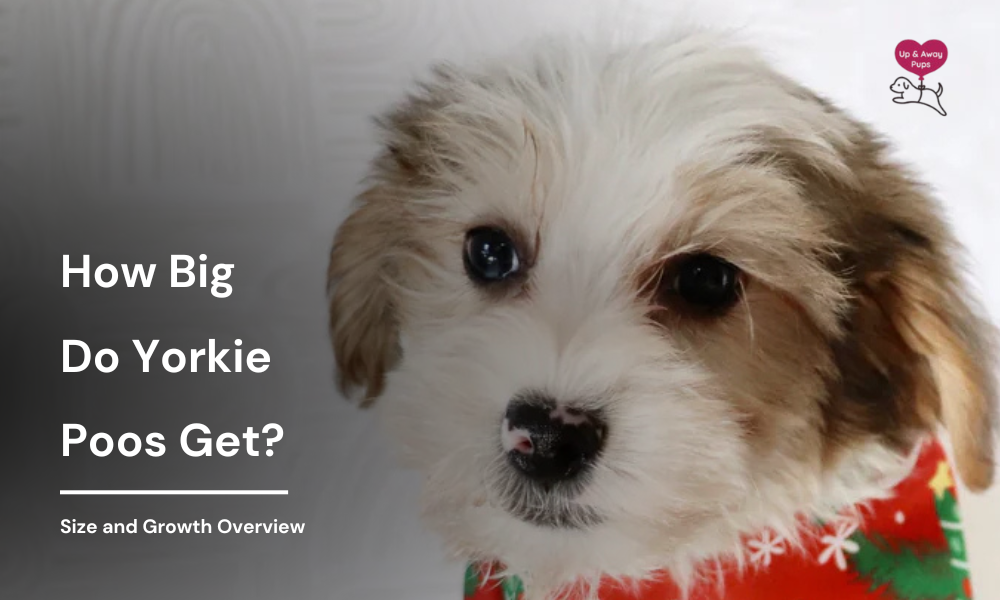
Yorkie Poos are small designer dogs loved for their playful nature, intelligence, and hypoallergenic coats. Their adult size depends mainly on genetics, especially whether a Toy or Miniature Poodle is the parent. Most Yorkie Poos weigh between 4 and 15 pounds and stand 8 to 14 inches tall. They grow rapidly in the first year, usually reaching full size by 9 to 12 months. Proper nutrition, balanced exercise, and regular veterinary care help ensure healthy growth and development.
Among the list of most beloved designer breeds, Yorkie Poos are highly adored ones due to their playful personalities, compact size, and hypoallergenic coats. Several first-time owners wonder how their small puppies will grow and what they can expect in terms of their fully-grown adult size. Knowing everything about puppy growth patterns, influencing factors, and general size ranges is the key to adequate care, health monitoring, and training. In this post, we are going to answer the common concern among pet owners, "how big do Yorkie Poos get?"
What Is a Yorkie Poo? A Quick Breed Overview
A Yorkie Poo is a hybrid breed of dog that is a crossbreed between a Yorkshire Terrier and a Poodle. These dogs are known to be loving, intelligent, and non-shedding, making them the perfect companions for families and apartment dwellers.
Toy Poodle vs. Miniature Poodle influence on size:
Toy Poodle
Usually raise smaller Yorkie Poos, which typically weigh between 4 and 10 pounds, making them suitable for small living quarters.
Miniature Poodle
Tends to make slightly bigger Yorkies Poos with a weight of between 8 and 15 pounds, giving them more energy and strength.
Energy Levels Vary
The Yorkie Poos are more relaxed at home and prefer quiet games and the light-hearted daily activities of the Toy Poodle.
Coat Texture Differences
Crossbreeds of miniature poodles usually have curlier coats and thus need more grooming and care to keep the fur soft and healthy.
Altogether, it is important to know the breed influences. These Yorkie Poo facts can be used to forecast the size, temperament, and care requirements before adopting a puppy.
Average Yorkie Poo Size: Height and Weight Explained
Yorkie Poos are intelligent, small, loving dogs that, when they mature, can vary in size based on genetics and parent stock. Knowing their measurements will enable owners to plan how to care for them, provide space, and provide exercise.
Typical adult weight range
The Yorkies' poos weigh between 4 and 15 pounds, depending on the parent breed.
Average height at the shoulder
The average height is between 8 and 14 inches.
Differences between male and female Yorkie Poos
Males are more muscular and slightly larger, while females are more petite and lighter.
How size compare to other small designer breeds
Yorkie Poos are smaller than Cavapoos, similar to Maltipoos, and smaller than Shih-Poos, making them the best pets for apartments and small spaces.
Yorkie Poo Growth Chart: From Puppy to Adult
Yorkie Poos grow rapidly in the first year, and their size depends on genes, diet, and activity level. According to the latest data from the American Kennel Club (AKC) on puppy development, small hybrid dogs generally reach 75-80% of their adult size after six months.
Newborn to 8 weeks
Newborn pups are small, typically 2-5 ounces. Protective early growth requires the mother's milk and adequate care.
3-4 months
There occurs increased weight gain and the appearance of puppy teeth. Assume a consistent 1-2 pounds/month at this phase.
5-6 months
Decelerating growth: Growth rate starts to decelerate. Puppies grow to have stronger bones and begin to appear to be their adult size.
7–12 months
The size of most Yorkie Poos is almost adult. The tone of the muscles and the coat texture keep growing up to 12 months.
When Yorkie Poos Typically Stop Growing
Yorkie Poos tend to be adult size by 9-12 months, but their weight can still increase slightly until 14-15 months. Male puppies usually take longer to grow than females, and smaller toy crosses mature earlier.
In the case of hybrid breeds, growth patterns may differ significantly, so it is crucial to remain attentive. Knowledge of size expectations can also be applied to owners who compare their puppy to breeds such as the teacup Shih Poo, which tends to grow even slower.
Factors That Affect How Big a Yorkie Poo Gets
The size of a Yorkie Poo depends on a number of factors. The genetic contribution, the breed of parents, the diet, exercise, and health also contribute to whether your puppy will grow big or not.
Parent Breeds
The adult size directly depends on the size of the parents of the Yorkie Poo. Toy Yorkshire Terriers that are mated with Toy Poodles tend to give birth to smaller puppies, and the Miniature Poodles likewise give birth to larger puppies. The AKC statistics indicate that the weight range of small dog hybrids is predictable given the size of their parents. A better predictor of adult size would be to select a respected breeder with a history of size.
Genetics
Genetics also plays an important role in Yorkie Poo temperament and behavior, which can indirectly affect growth. Growth patterns may be inherited by a puppy from either parent, and hence, there are minor differences even in the size of the same litter. Genetic background defines the type of coats, skeletal structure, and energy levels; all of this is related to the general physical development.
Diet and Nutrition
Healthy nutrition plays a role in healthy development and prevents stunted development. Quality food for puppies aids in the development of bones, joints, and muscles. It also prevents the Yorkie Poo from adopting the habit of barking that is related to poor nutritional deficiencies. Overconsumption or underconsumption of food can cause weight gain or loss, and thus diet planning is required to predict the eventual size.
Exercise Level
Yorkie Poos are to be exercised in order to have strong muscles and maintain a healthy weight. Yorkie Poo training, agility, and well-being include small breed activities. Over-exercising of puppies can cause damage to the bones and joints, and a sedentary lifestyle can result in an overweight condition. Balance is key.
Overall Health
The general health of a Yorkie Poo influences growth patterns, including resistance to disease and metabolism. Periodic examinations by the vet reveal developmental problems and tooth or joint problems at an early stage. Research by PetMD indicates that hybrid breeds usually have good health but require ongoing care to reach their full adult size.
Tips to Choose the Right Yorkie Poo Size for Your Home
The right Yorkie Poo size will guarantee domestic harmony. Owners ought to reflect on the living area, lifestyle, level of activity, and energy requirements.
Apartment Living
Smaller Yorkie Poos are easy to adjust to apartments or even small areas, so daily walks, indoor play, and managing activities become more convenient.
Family Size
Families with kids can enjoy a little bigger Yorkie Poos, which are more durable, resilient, and safer during play.
Activity Level
Active households and crosses that require more energy and need more exercise may be the right fit, while Toy crosses are better suited to more relaxed routines that require less exercise.
Grooming Commitment
Depending on the size of the Yorkie Poos, smaller ones might not need frequent grooming, whereas bigger crosses might need more maintenance and frequent coat care.
Travel and Portability
Yorkie Poos are small and can be easily transported, which makes them good companions for travel, commuting, and living in cities or urban areas.
Signs of Delayed or Abnormal Growth
Monitoring a Yorkie Poo is a way of ensuring that one is aware of health issues early enough. Parents should be able to detect red flags and act in time.
Weight Stagnation
Weight stagnation refers to a situation where the puppies are not adding weight at the desired speed, and it normally reflects a nutritional imbalance, parasites or a health issue that should be analyzed and rectified.
Uneven Growth
Inequalities in body growth, such as limbs that do not match or unequal body proportions, are another symptom of skeletal or developmental issues that are to be followed up and assessed by a veterinarian.
Low Energy Levels
Lack of energy, feeling tired, or unwellness can be characterized by underdevelopment; the ASPCA states that prolonged inactivity in puppies can be a sign of nutrient deficiencies or underlying health issues that need to be checked.
Poor Appetite
Decreased appetite, which increases with the passage of time, can restrict the calorie intake and reduce weight gain and immune response, as well as influence the general growth and development of a Yorkie Poo.
Coat and Skin Issues
Problems of the coat and skin, such as dullness, thinning, or patchiness, can be indicative of hormonal imbalances, nutrient deficiencies, and chronic health conditions that disrupt normal growth patterns.
Conclusion
Yorkie Poos will grow rapidly within the first year, and their size will depend on the genetics, diet, exercise, and health. Growth patterns knowledge assists the owners in planning care, space, and training. The milestones are the answer to ensuring that your Yorkie Poo is healthy, happy, and well-adjusted. When comparing Yorkie Poos with Cavapoos, Teacup Shih Poos, and other small breeds meant to be kept as pets, knowing the size Yorkie Poos will reach is a sure way to have a pet that can be enjoyed and well-known.