

Are Cavapoos Good Apartment Dogs for Modern Living
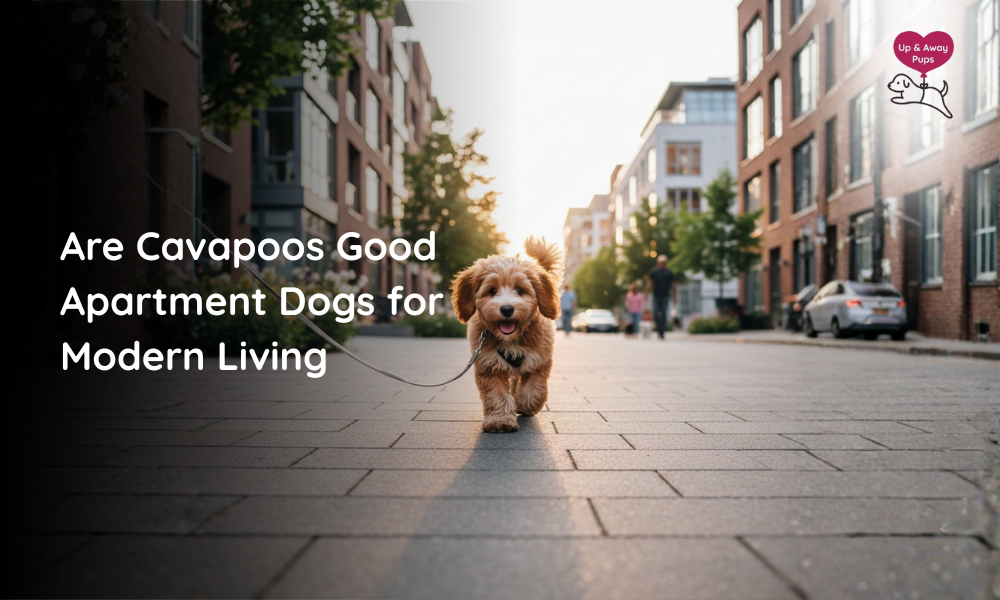
City living has changed how people choose pets, making adaptability essential. Cavapoos, a mix of Poodle and Cavalier King Charles Spaniel, are well suited to apartments due to their small size, calm temperament, intelligence, and emotional sensitivity. They adapt well to routines, require moderate exercise, and tend to be quieter than many breeds. While apartment living presents challenges like limited space and stimulation, Cavapoos thrive with proper training, mental enrichment, grooming, and consistent schedules, making them excellent companions for urban residents.
City life has altered the way individuals adopt pets, particularly dogs. The size of homes, shared walls, hectic schedules, and the lack of space outdoors are reasons why the choice of breed has never been as critical as it is today. Adaptive companion dogs who are not noisy and engaged in regular exercise do well in apartments. These factors and others have made Cavapoos very popular among urban residents within a very short time, and this leads to an important question many future pet owners will be asking: Are cavapoos good apartment dogs?
Overview of Cavapoo Breeds
Cavapoos are a breed that is a cross between the Poodle and the Cavalier King Charles Spaniel, which combines the characteristics of both loving and intelligent. The recent trends in companion animal ownership by the American Kennel Club (AKC) revealed that small companion breeds have experienced a consistent increase in urban homes because of their flexibility and emotional connection advantages. The average weight of cavapoos is 12 to 25 pounds, and they have a lifespan of approximately 12 to 15 years.
The Cavapoo experience is usually characterized by temperament. They are sociable, outgoing, and emotionally sensitive, which makes them similar to the Cockapoo, a widely adopted designer breed that is sociable. Cavapoos are good companions, adapt to routine, and are very loyal, which makes them easy to live with in apartments without much strain.
Potential Challenges of Having Dogs in Apartments
Living with an apartment dog can be a good experience, but some difficulties should be addressed carefully. Early awareness of these issues will help establish a conducive home where pets and neighbors feel comfortable.
1) Space Limitations and Breed Comparisons
Limited floor space influences play, rest, and movement. In the comparison of cavapoo vs cockapoo, the two breeds are both adaptive. Still, Cavapoos tend to be a little calmer indoors, which makes them move around in a more restricted environment without as much agitation.
2) Noise Sensitivity and Bark Control
Shared walls imply that barking becomes a major concern. Dogs that are sensitive to unfamiliar sounds might react more. Reinforcement of the voice can be reduced through training, and early exposure and reinforcement can help to maintain harmony in apartment environments.
3) Social Interaction and Emotional Needs
Companion breeds need to be close and interact with each other. Similar breeds like the Cavachon tend to get stressed when left alone for too long. Apartment dogs enjoy regular human attention, regular routines, and comforting schedules.
4) Bathroom Access and Daily Routines
Outdoor access is limited, making bathroom breaks difficult. Consistency is needed when it comes to the use of scheduled walks, balcony potty solutions, or indoor training pads. Structured dogs get accustomed more quickly and have fewer accidents within the house.
5) Mental Stimulation and Boredom Risks
Stimulation deprivation heightens anxiety and destructive behaviours. According to the American Veterinary Medical Association (AVMA), boredom and lack of enrichment have been cited as the causes of more than 25 percent of behavioral problems in dogs. The risks are mitigated through interactive toys and regular interaction.
Why Cavapoos Are Good Apartment Dogs
Cavapoos are inherently better suited to apartment life when their daily needs are met in terms of both emotional and physical needs. The points that follow are aimed at practical tips, which help a healthy and happy Cavapoo in the apartment.
Balanced Temperament for Indoor Living
Relaxed and loving indoor behavior is the characteristic of cavapoos, and it contributes to peaceful apartment living. In terms of cavapoo vs cavachon, Cavapoos tend to show a bit more control in terms of emotions inside the house. This allows them to rest in between activities without pacing and stimulation. A stable temperament mitigates the stress associated with shared walls, new sounds, and unfamiliar space, making the daily routine in the apartment easier and more predictable.
Size That Fits Small Living Spaces
Small size contributes significantly to the comfort of the apartment. Cavapoos normally weigh less than 25 pounds, which means that they do not overcrowd the house easily. According to a source released by the American Kennel Club (AKC), smaller companion breeds adapt better to apartments due to reduced space and lower exercise requirements. This comfortable size is helpful to the health of the joints, mobility, and free movement inside the house.
Intelligence That Supports Apartment Training
A high level of intelligence simplifies establishing daily routines. Formal training and feeding methods are used to strengthen their calmness, proper bathroom habits, and less frequent barking. Mental stimulation prevents boredom, which is necessary in apartments where accessibility to the outside might be restricted. The intelligent dogs that learn expectations adapt better to in-house confines, scheduled walks, and quiet time during the day.
Coat Qualities That Suit Shared Spaces
Low-shedding coats inherited by many Cavapoos assist in keeping the indoor air clean. According to the Centers for Disease Control and Prevention (CDC), exposure to dander can be reduced to improve indoor air quality for sensitive people. This feature will be useful in apartment life, where there is a common ventilation system and limited clean space, making the house more comfortable for all members.
Compatibility With Urban Daily Routines
Contemporary living demands flexibility, and Cavapoos suit different time routines. Their average energy endowments make them one of the Best Small Dog Breeds that can live in an apartment and have their own work, home, and social activities. Indoor play and short walks normally satisfy them. This equilibrium will avoid excessive stimulation and yet promote physical wellbeing and emotional fulfillment.
Strong Emotional Awareness
Emotional sensitivity helps Cavapoos react to human signals and habits. They observe the tone, body language, and daily patterns, and this enhances communication in tight quarters. Such awareness fosters relaxed responses as opposed to overbarking or panic. Trust is also fostered by emotional bonding, and it is easier to influence behavior by leading within the boundaries of the apartment and community settings.
Adaptability to Environmental Changes
Living in an apartment entails using elevators, hearing hallway noise, and being aware of neighboring dwellers. Cavapoos adapt positively and at a slow pace when exposure occurs. Regular schedules help them know their daily activities. Flexibility lessens stress reactions and gives confidence. A dog that takes change in stride is better suited to apartment communities and maintains emotional balance even with recurrent environmental stimuli.
Tips for Raising a Healthy & Happy Cavapoo in an Apartment
Cavapoos flourish when physical, mental, and emotional safety are all taken into consideration. Monotony will make the small space feel supportive.
Establish Predictable Daily Schedules
Security is built up through regular feeding, walking, and play. Knowing what to expect decreases anxiety and helps Cavapoos anticipate it, resulting in less stressful indoor behavior.
Prioritize Daily Mental Enrichment
Physical exercise is not as important as mental stimulation. According to the ASPCA, enrichment activities are effective in minimizing anxiety behaviors in companion dogs. Scent games and puzzle toys are good indoor games.
Maintain Grooming and Hygiene
Bushing regularly helps prevent matting and maintain coat health. Clean ears, clipped nails, and dental services minimize health hazards. Good grooming habits also build confidence between the dog and the owner.
Support Emotional Wellbeing
Calm dealings, reassurance, and positive reinforcement develop confidence. The presence of safe areas in the apartment helps dogs rest when they are alone or when there are loud external sounds.
Encourage Gentle Socialization
Being in control of exposure to neighbors, visitors, and other pets develops confidence. Relaxed presentation and incentive-based communication help to avoid fear reactions and promote polite conduct in standard living rooms.
Conclusion
Living in an apartment does not restrain the happiness of living with a dog when well-considered decisions are made. Cavapoos are a reflection that temperament, adaptability, and companionship are more important than space. Harmonious routines, emotional attachment, and consistent attention foster favorable experiences for both the dog and the household. A pet that fits in the everyday routine of modern living brings about a sense of harmony, comfort, and long-term companionship.